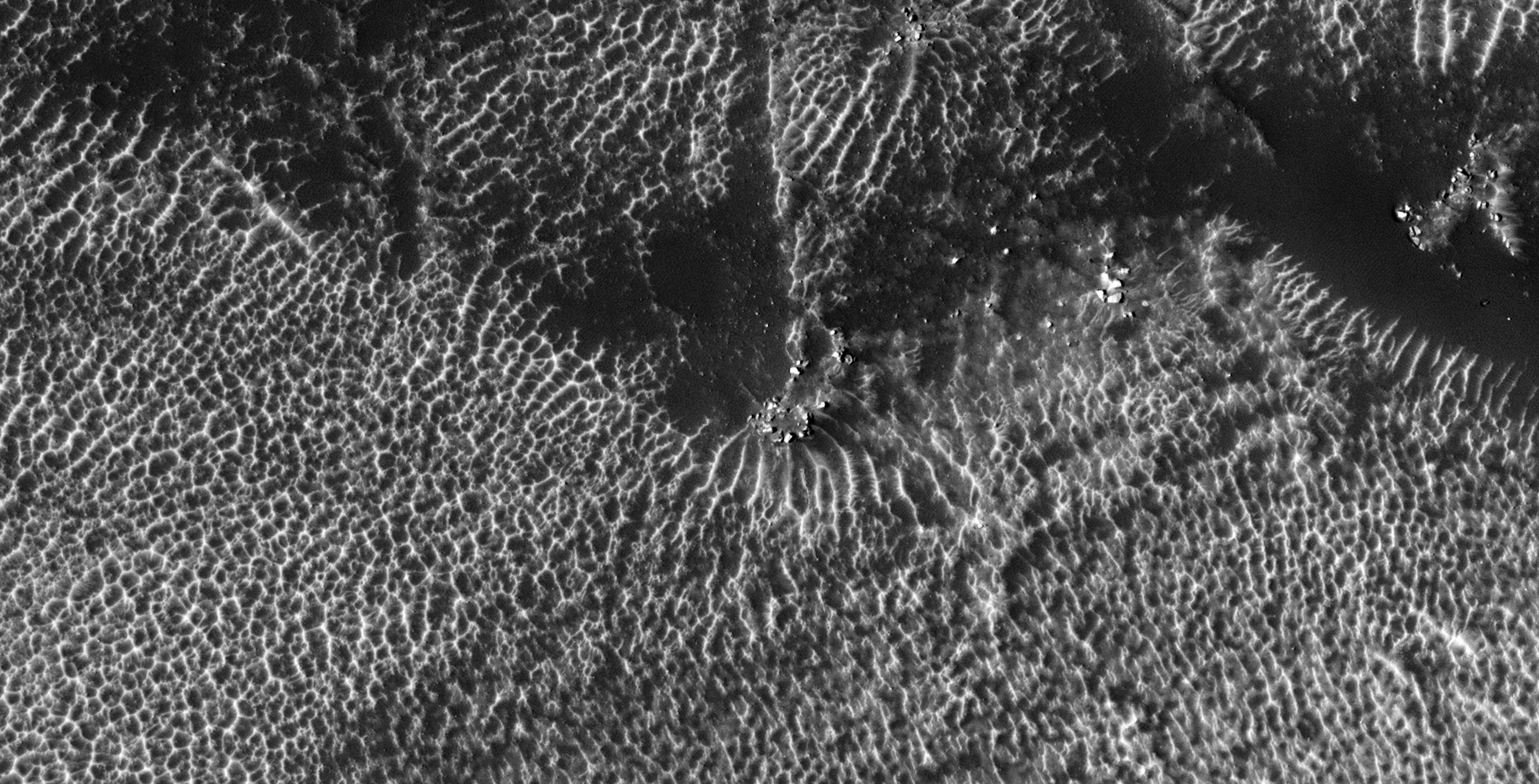
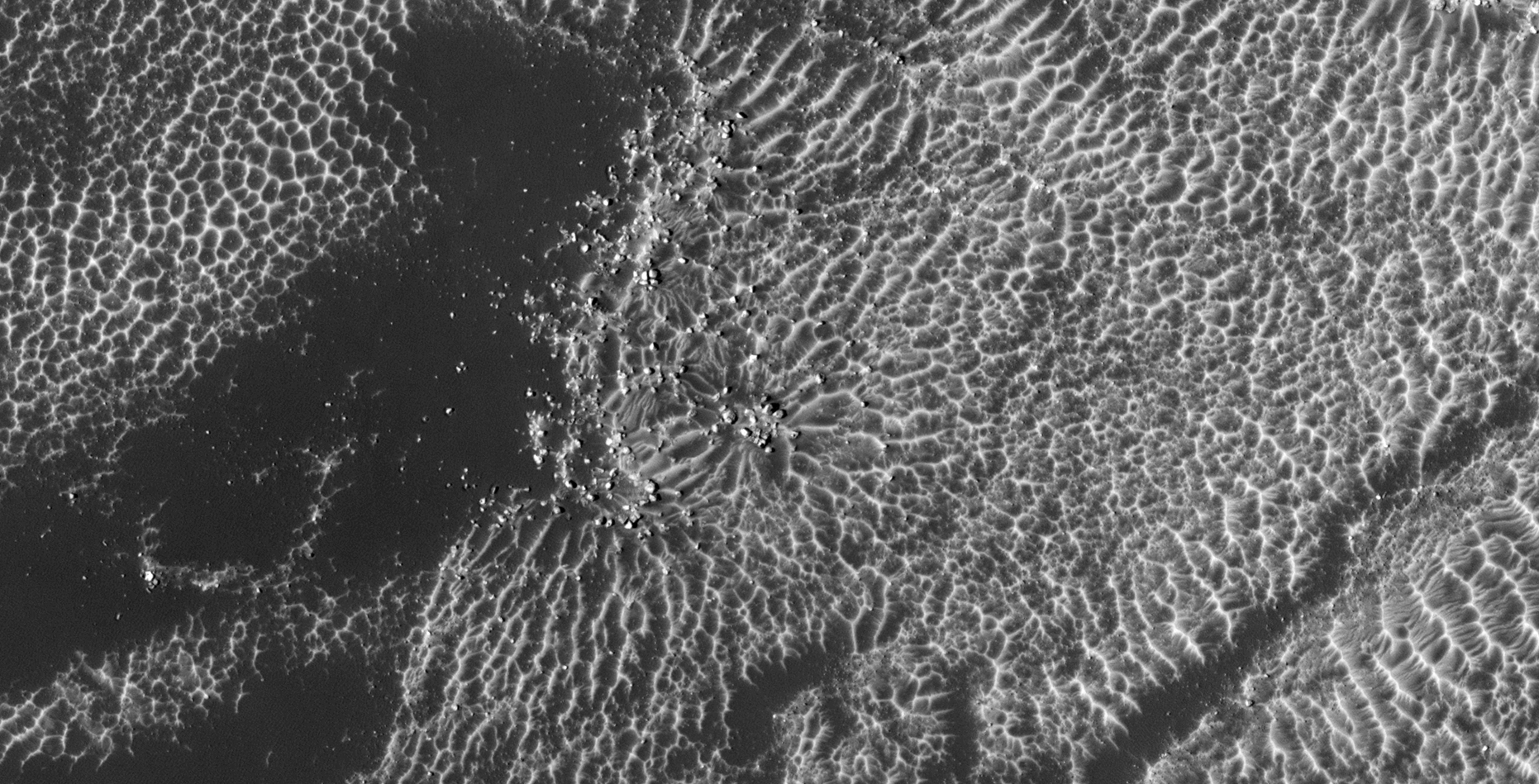
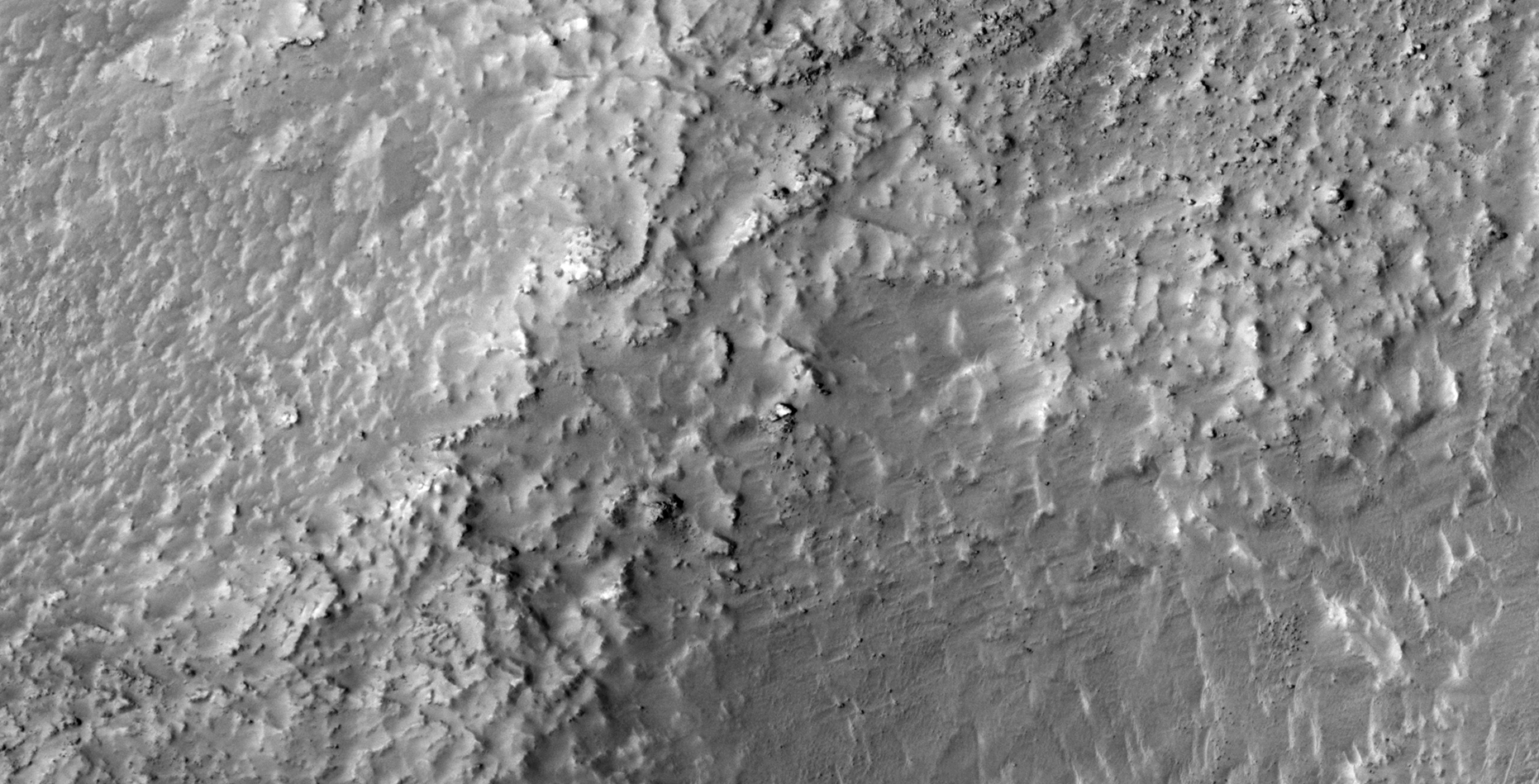
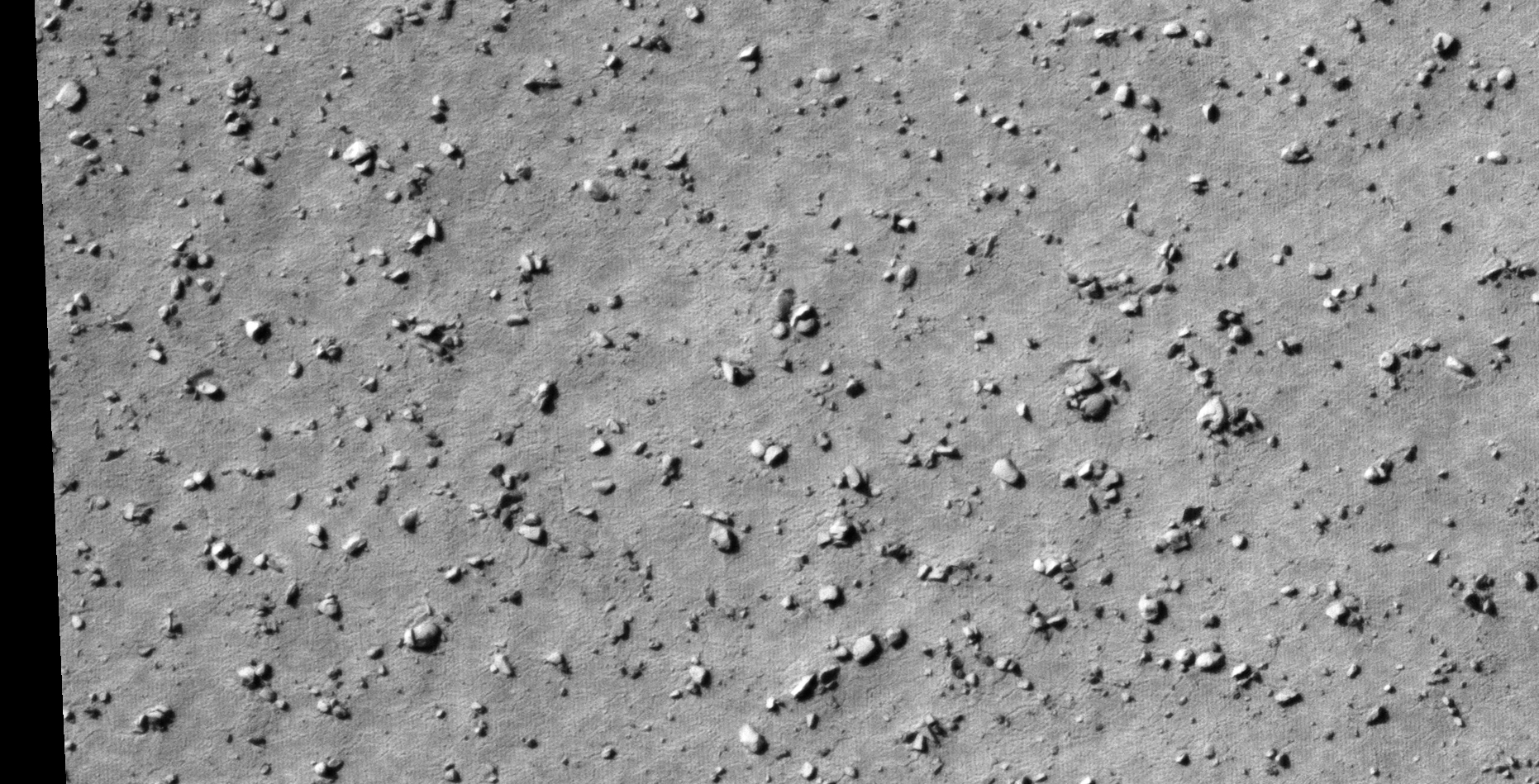
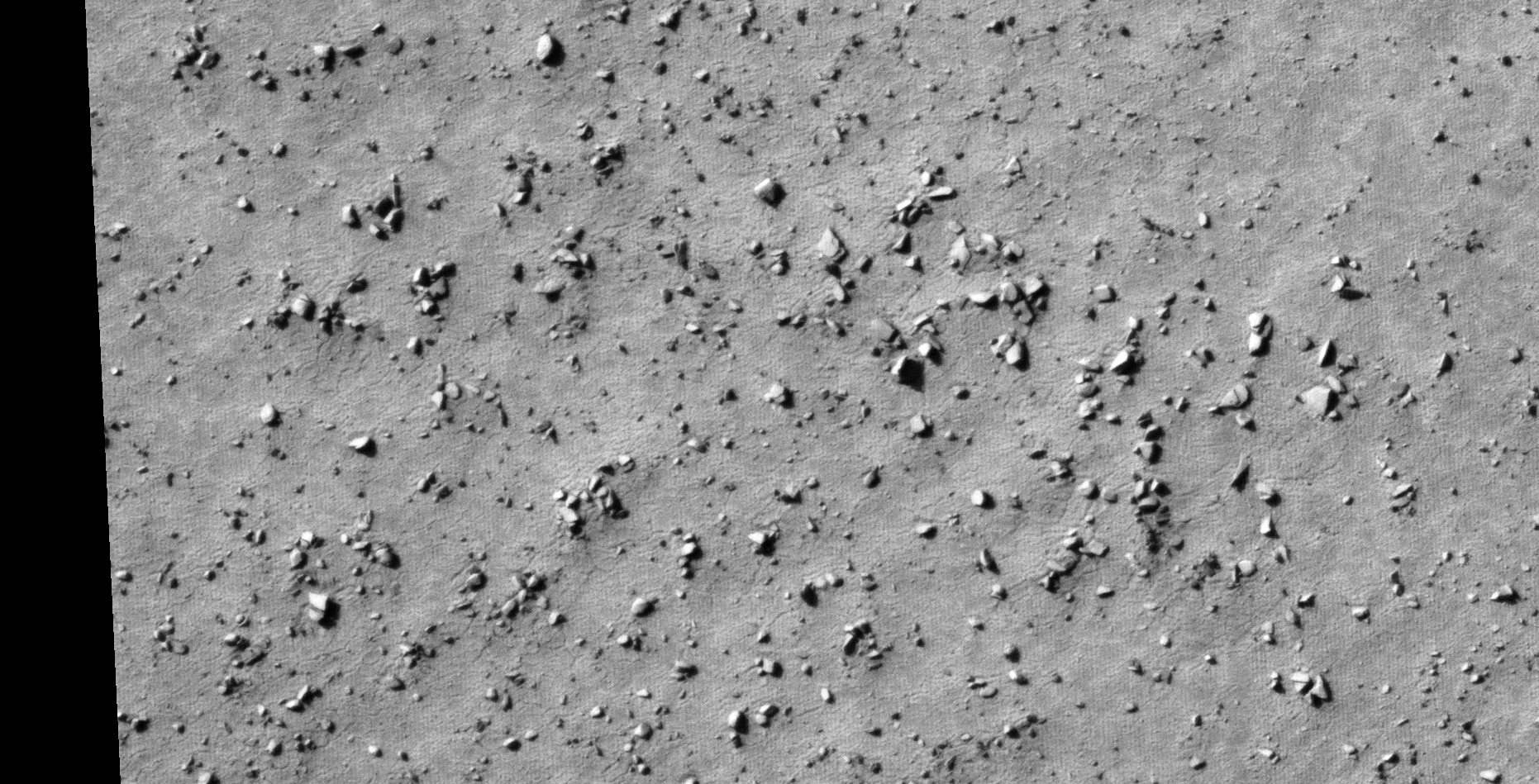
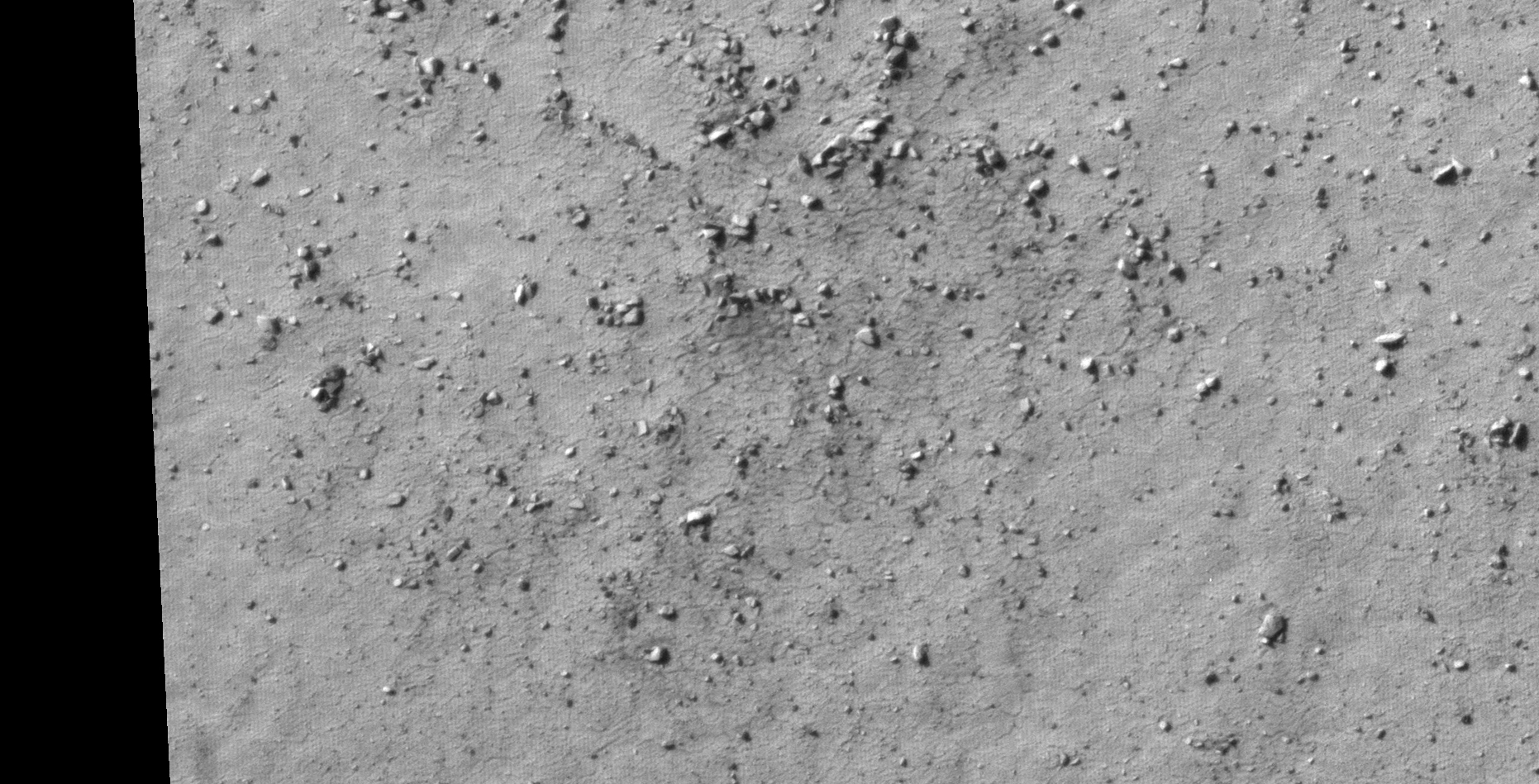
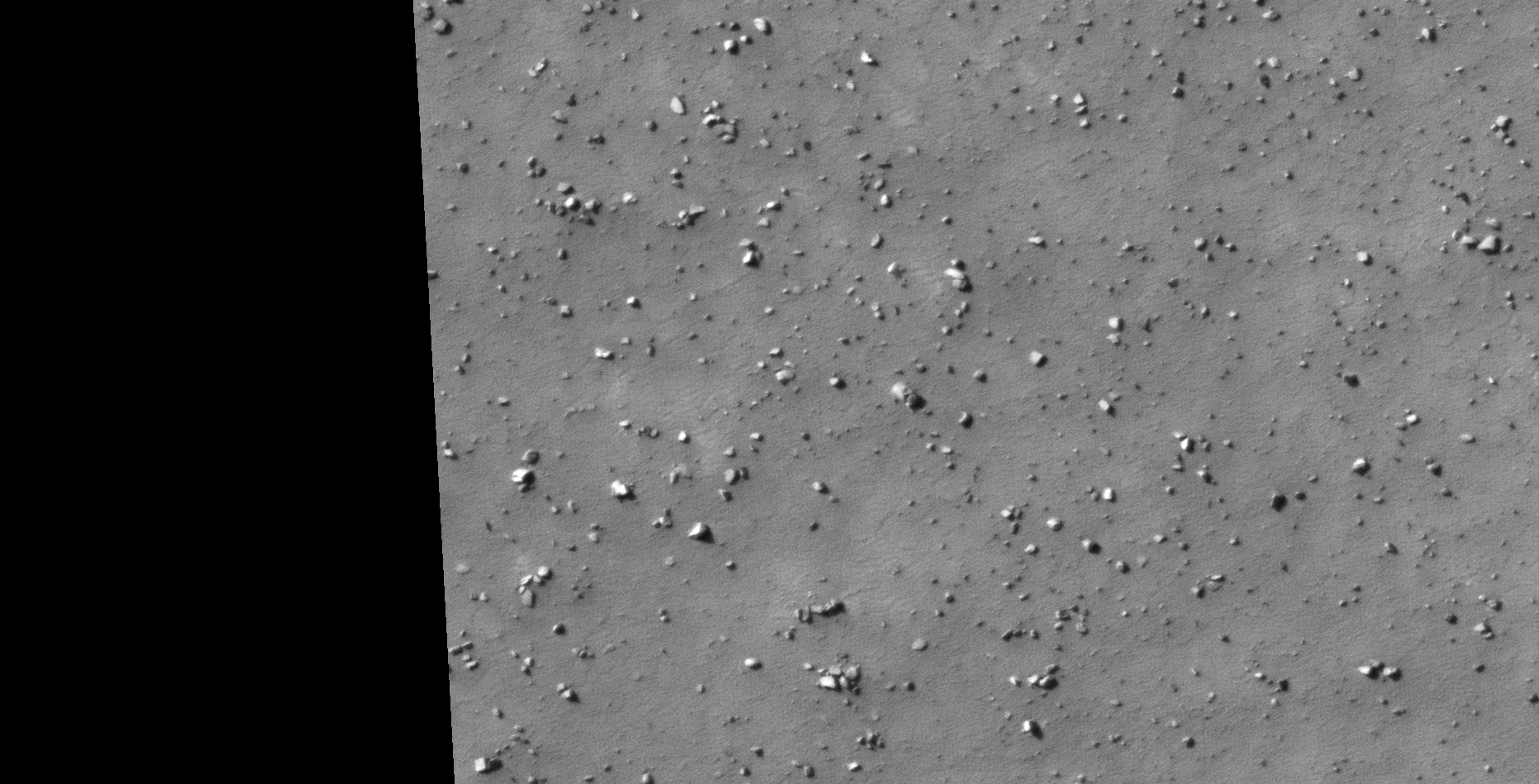
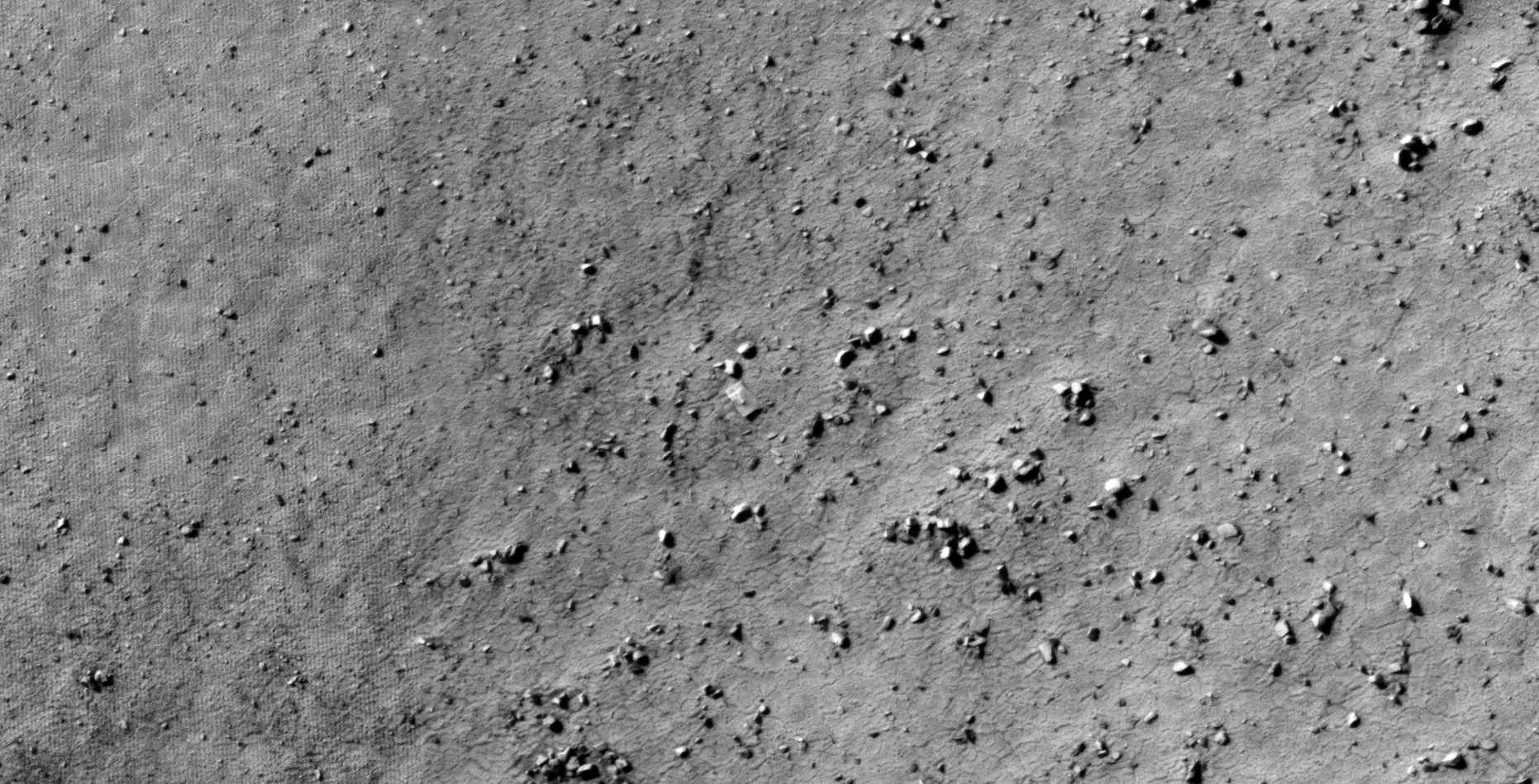
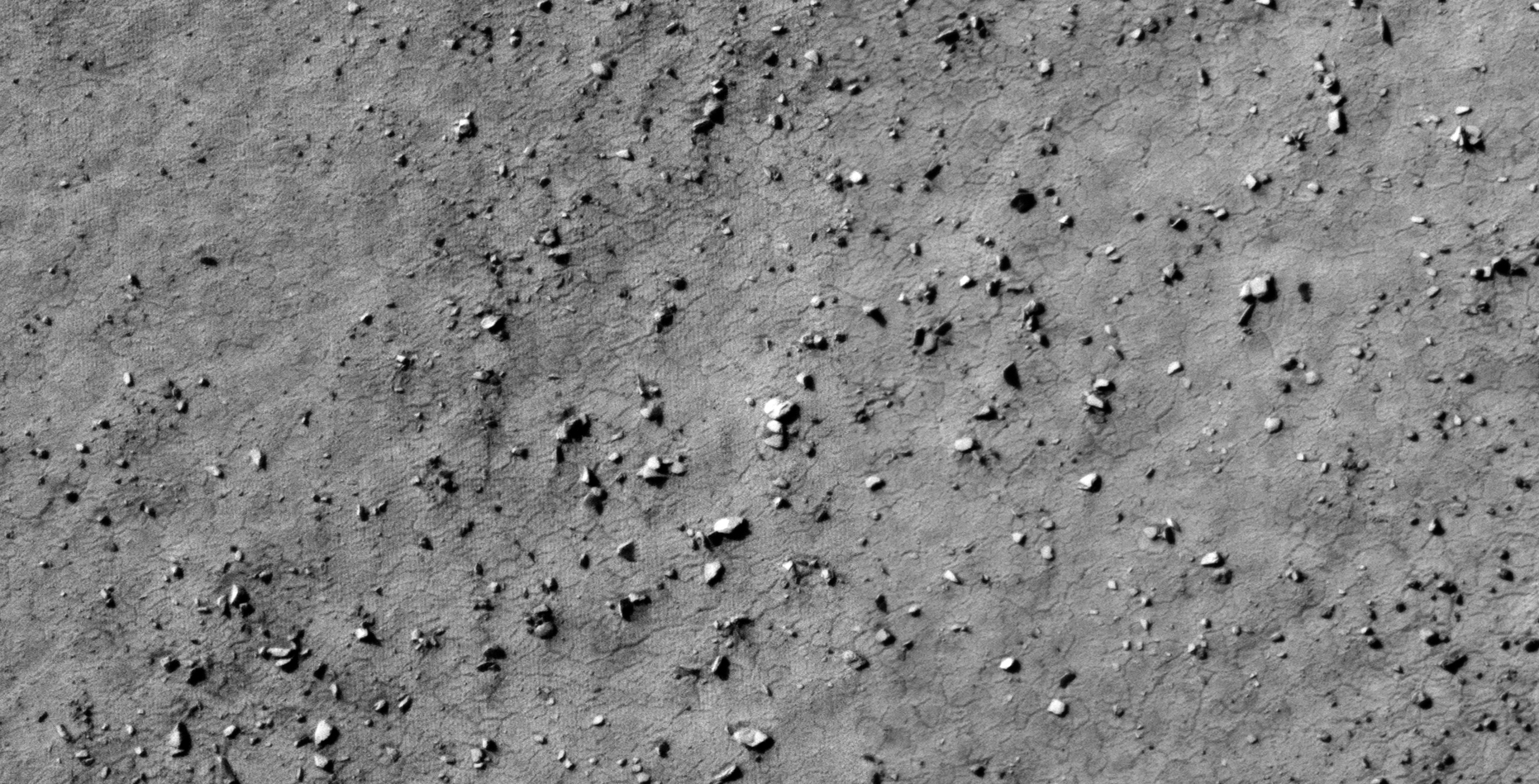
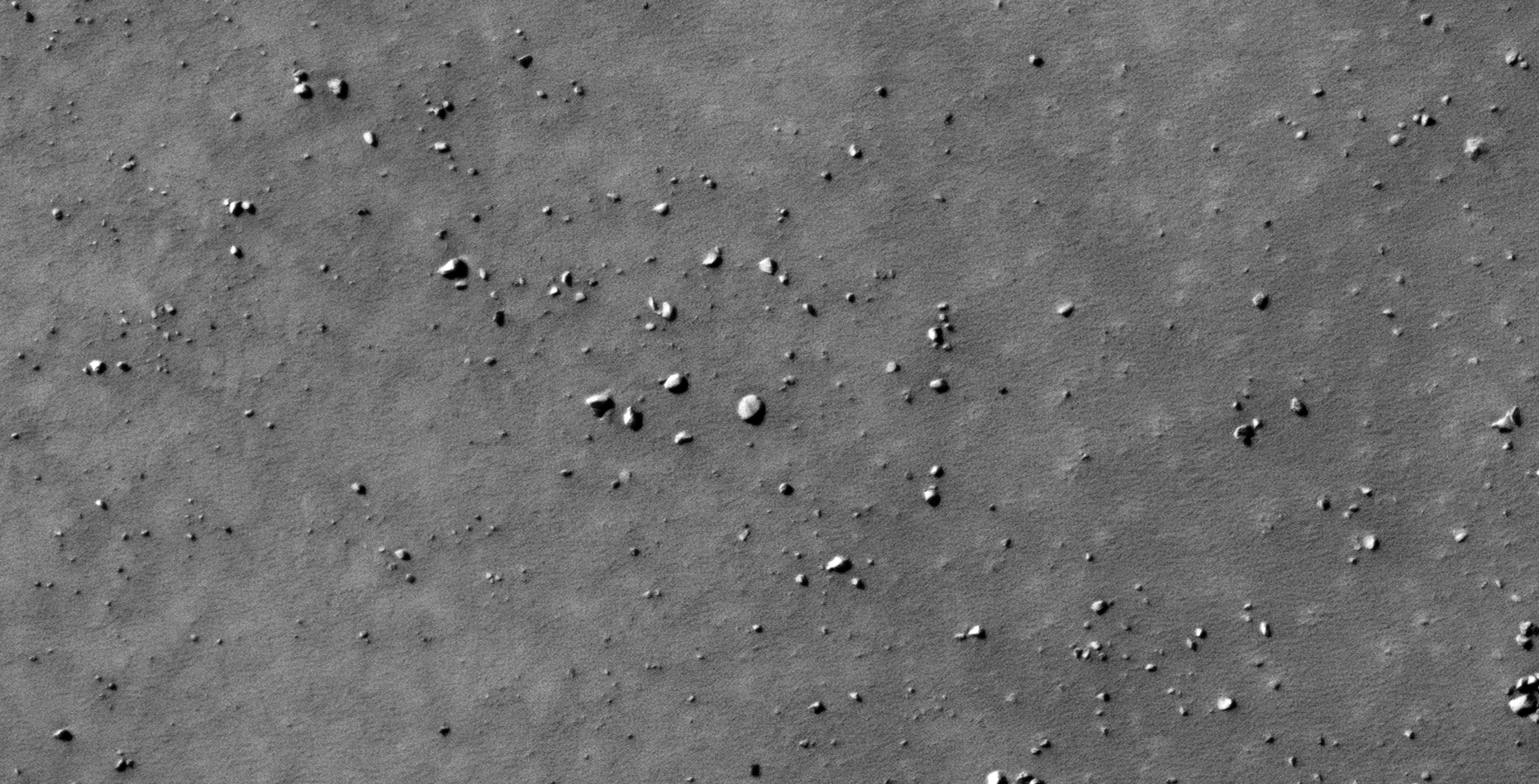
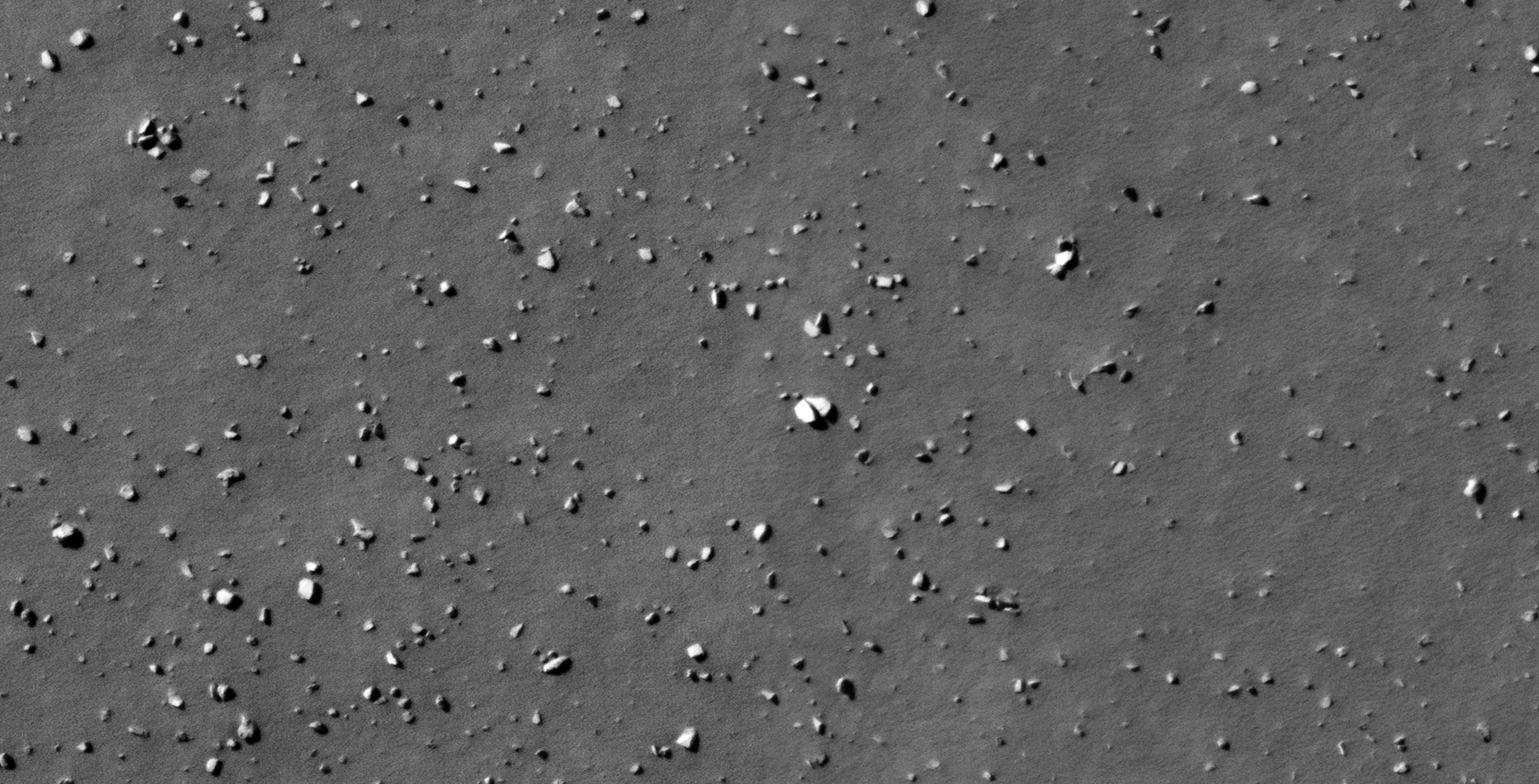
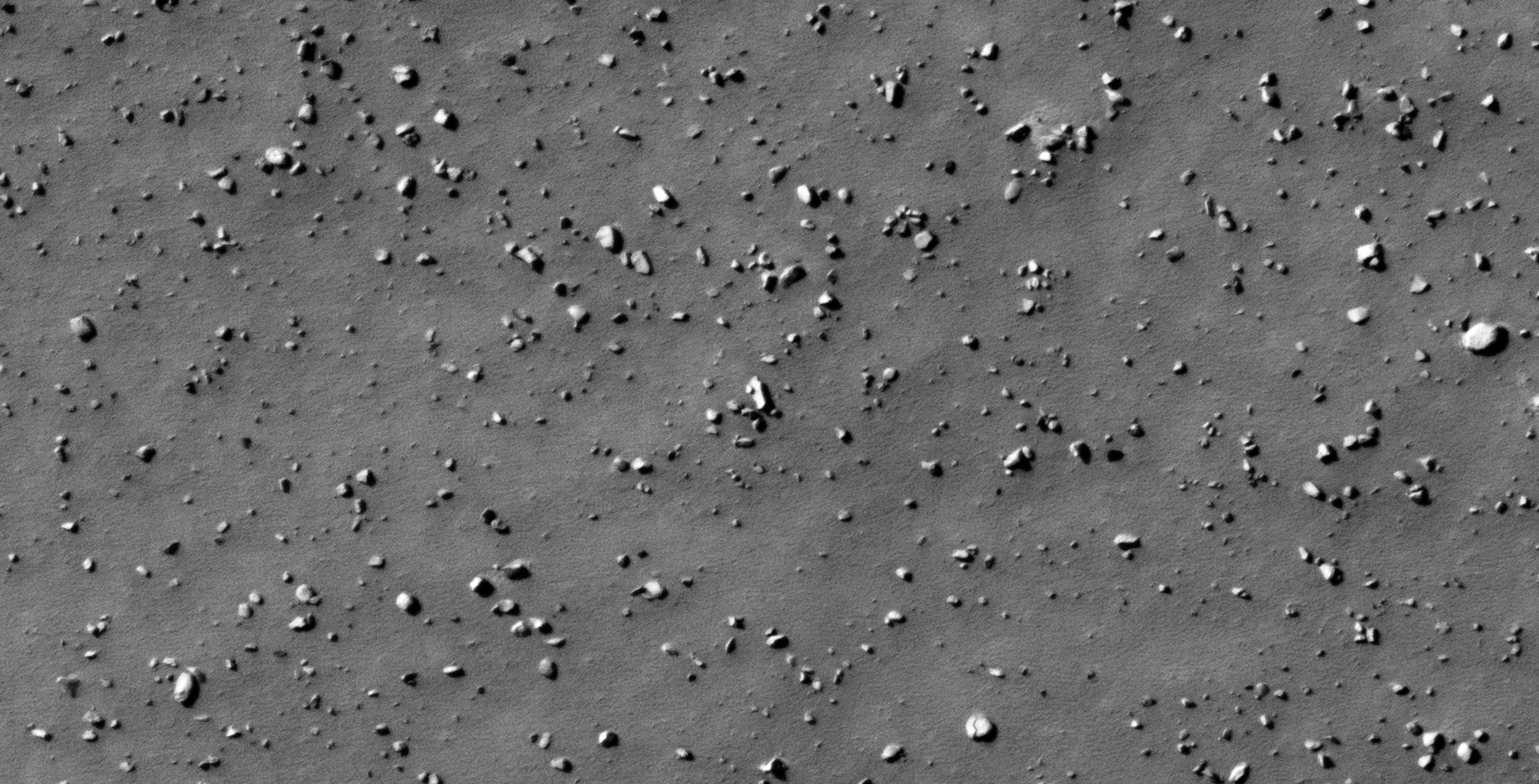
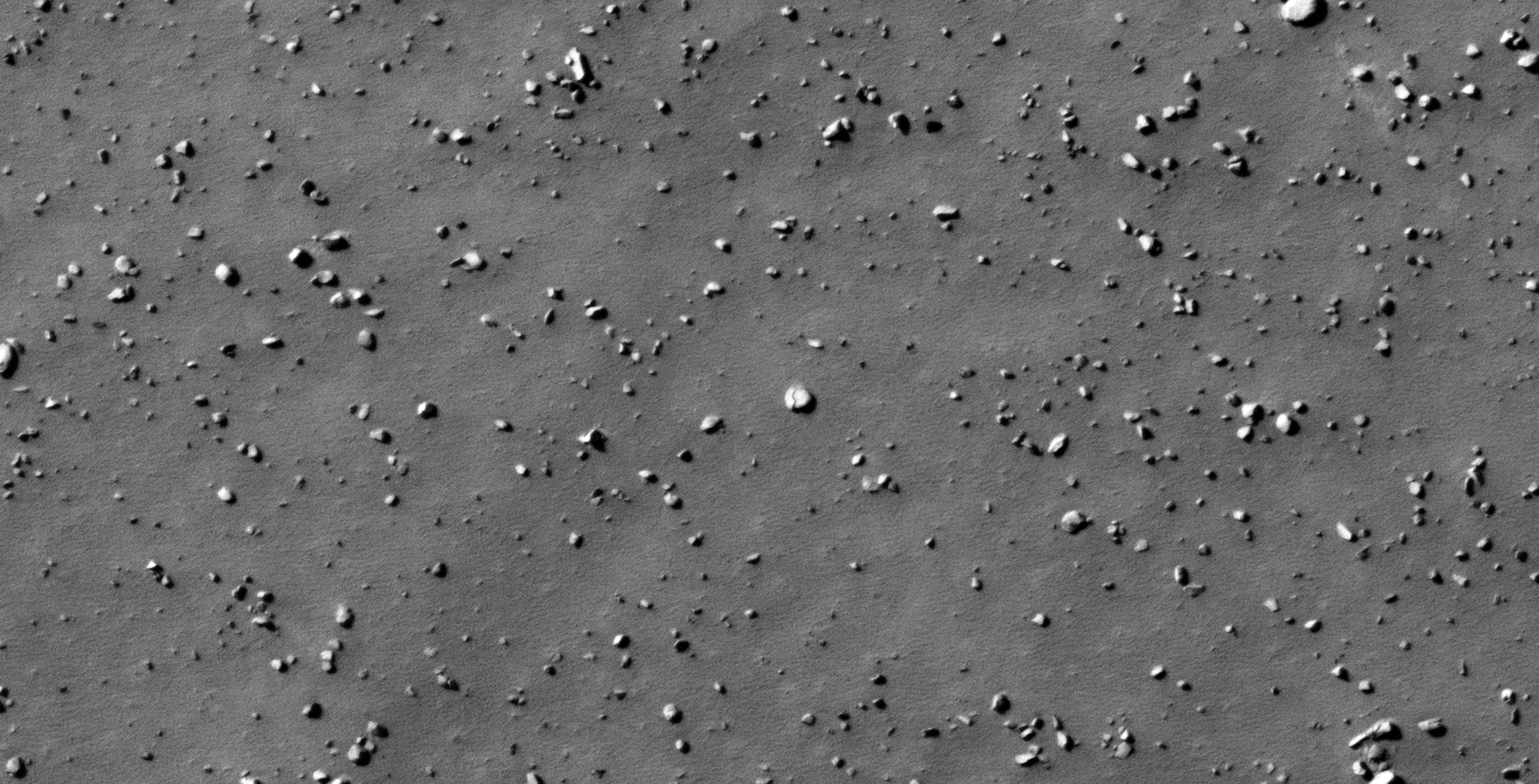
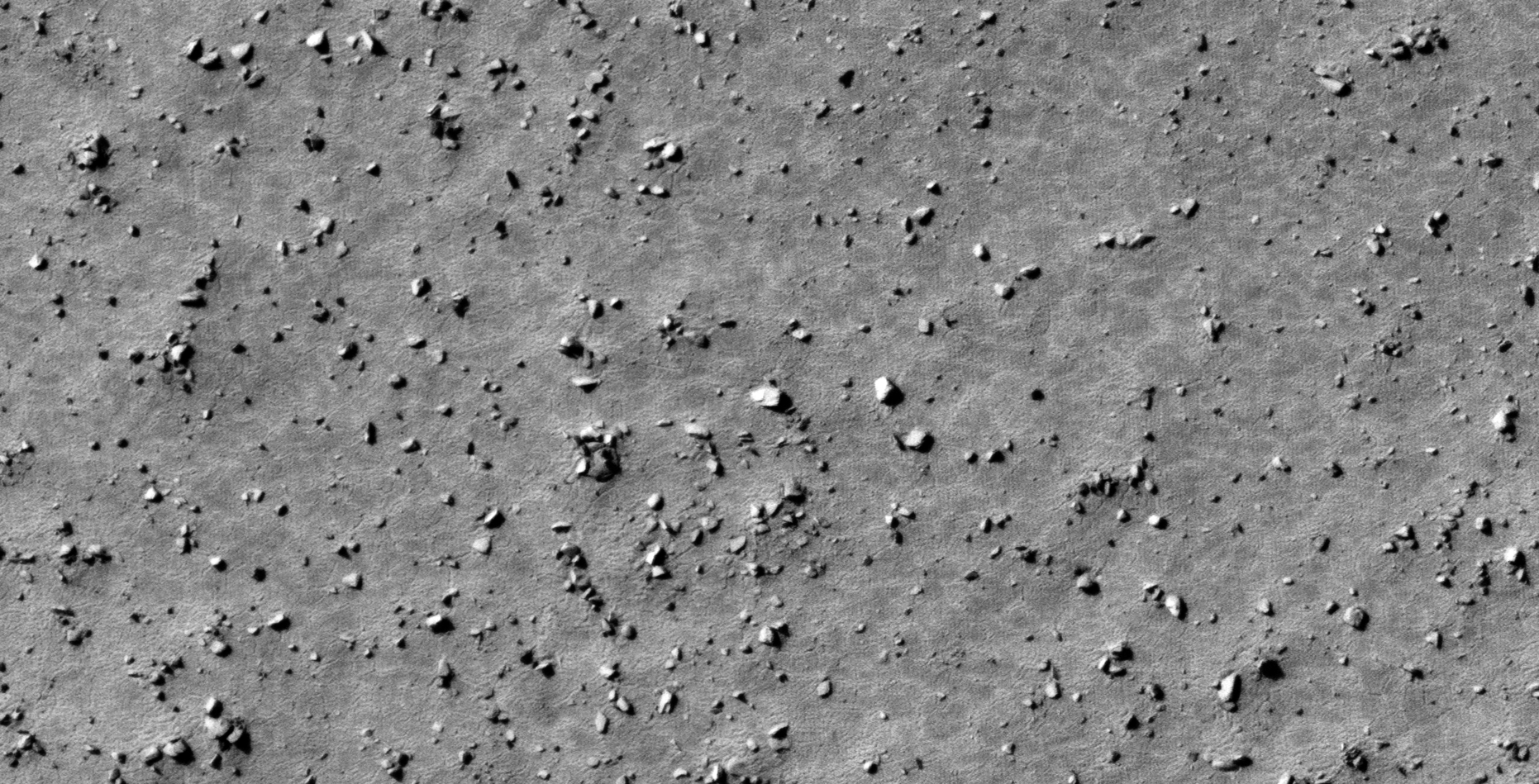
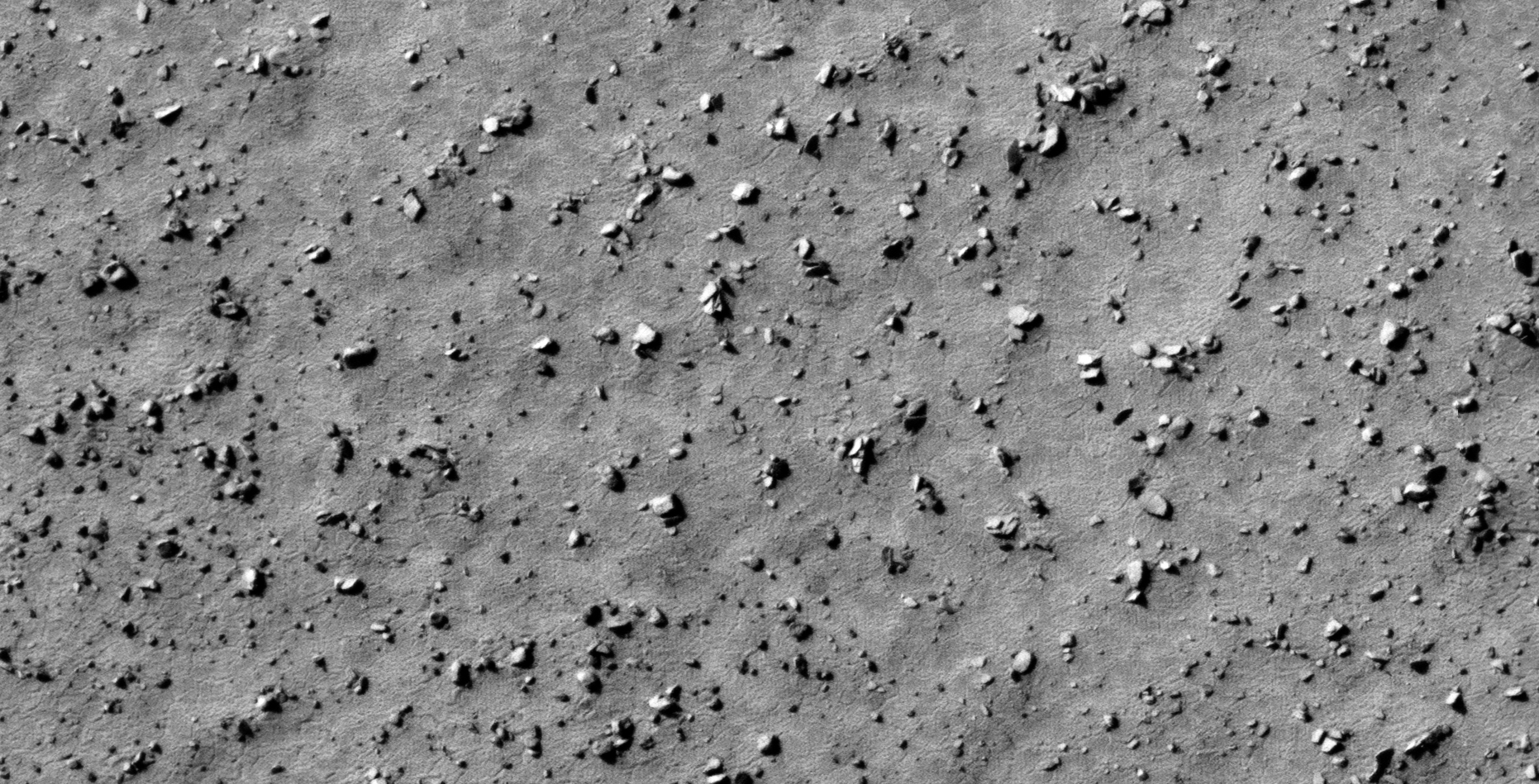
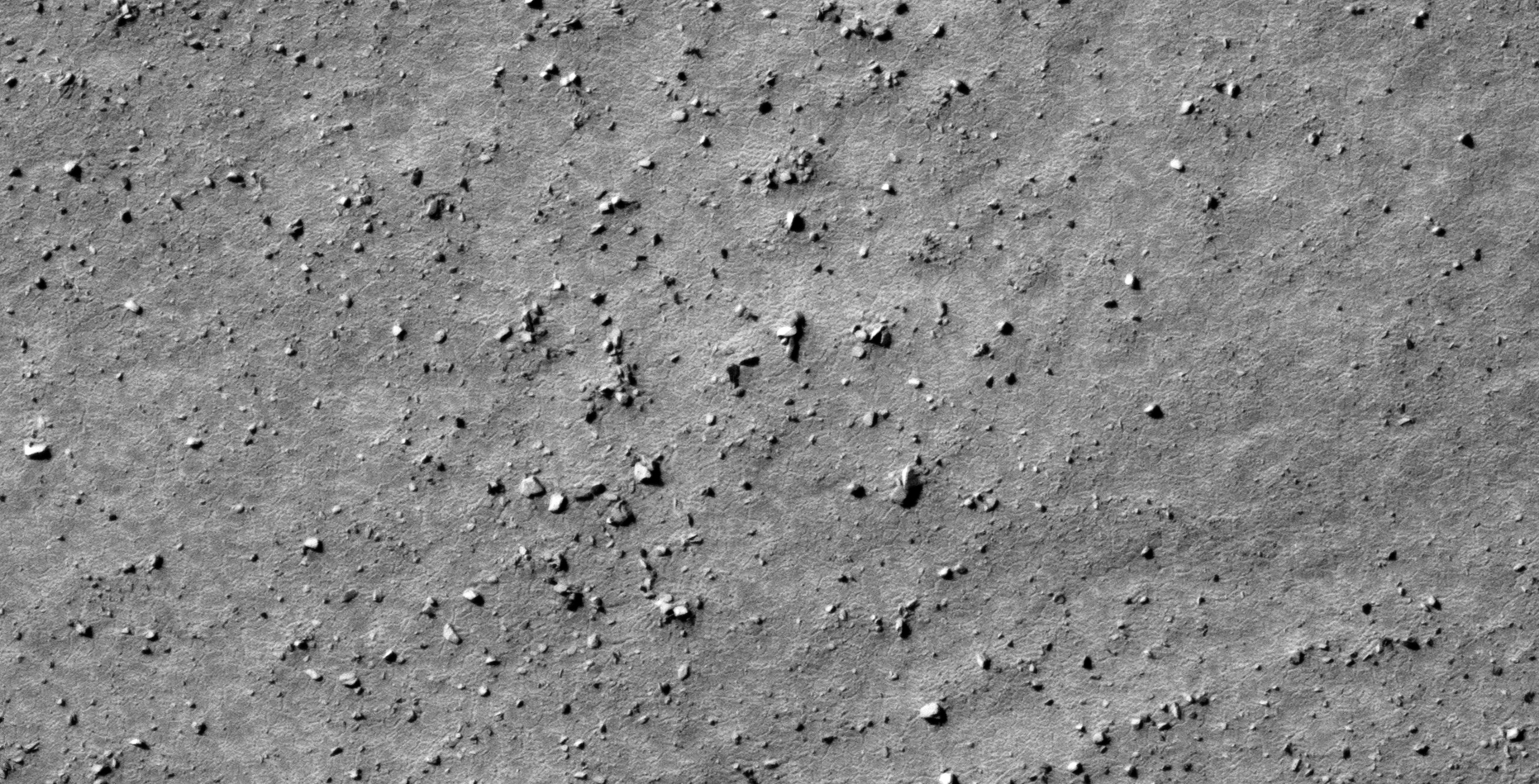
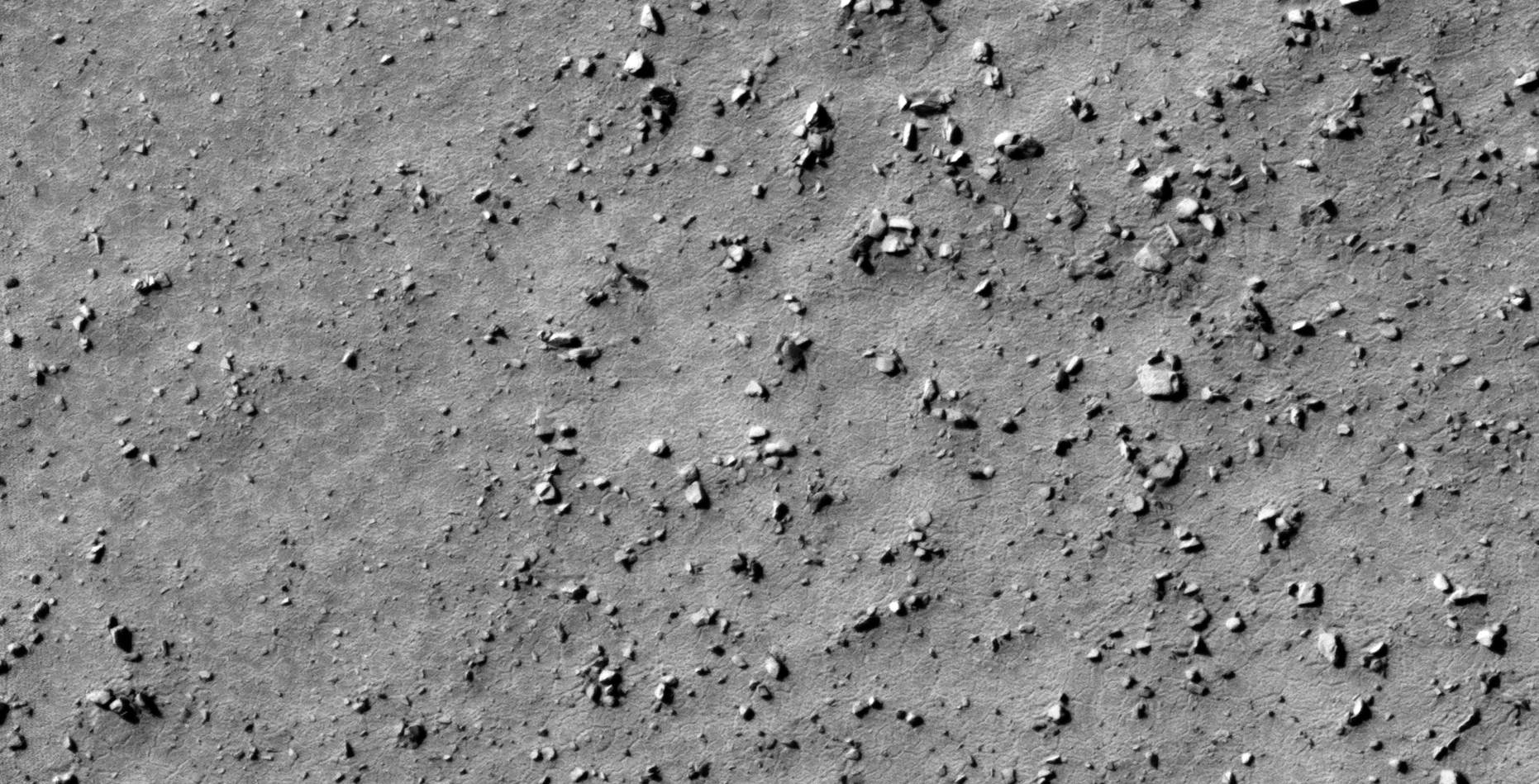
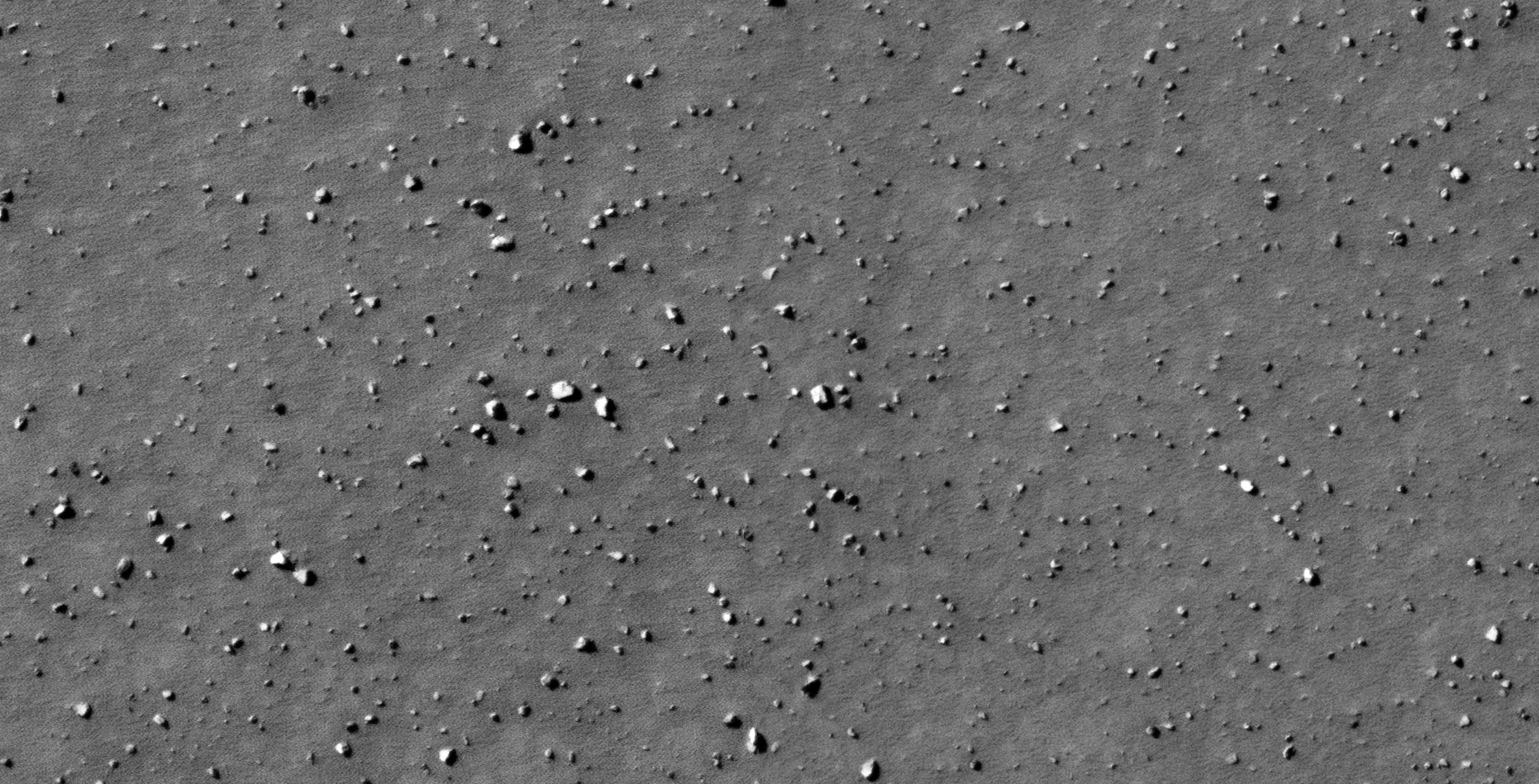
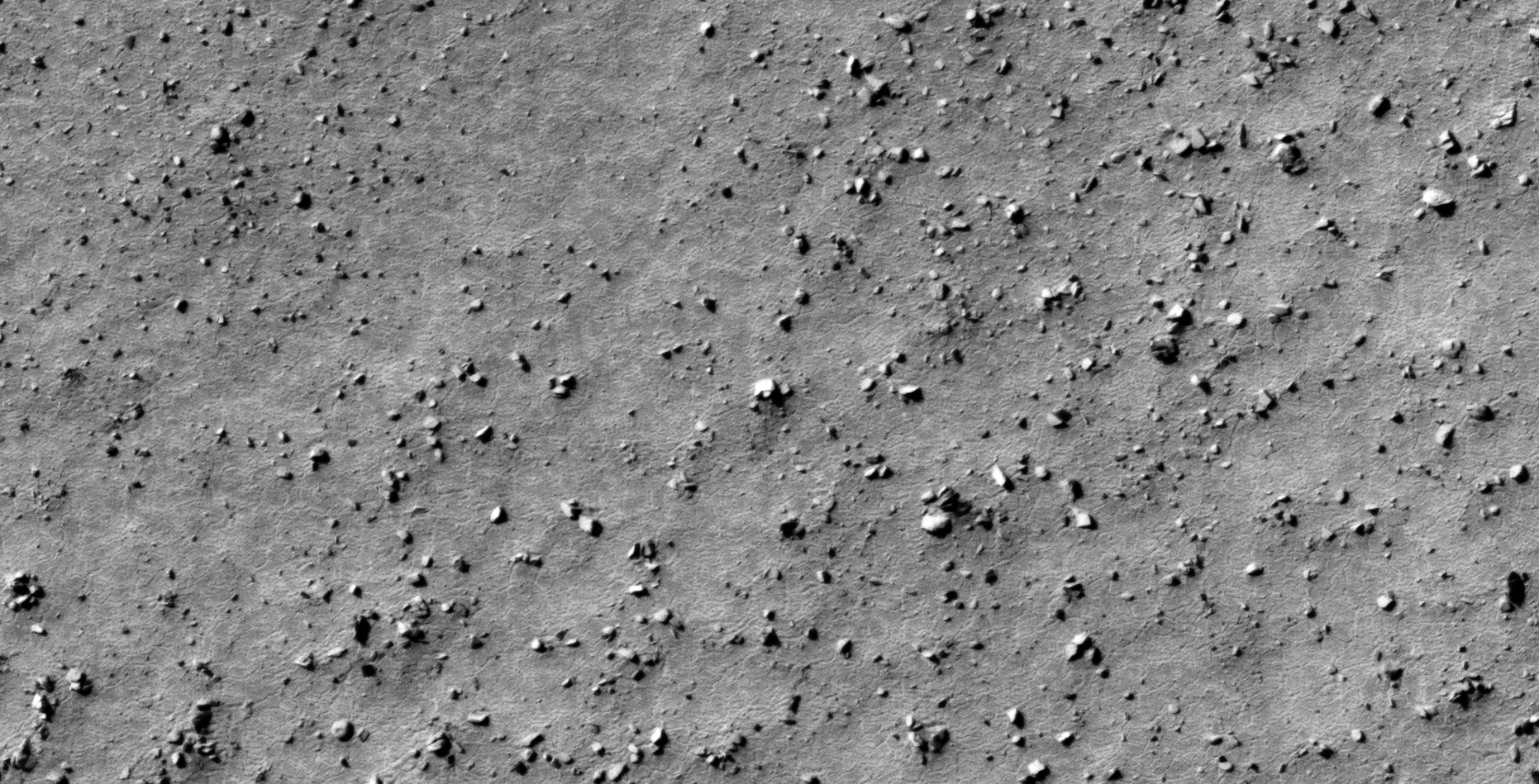
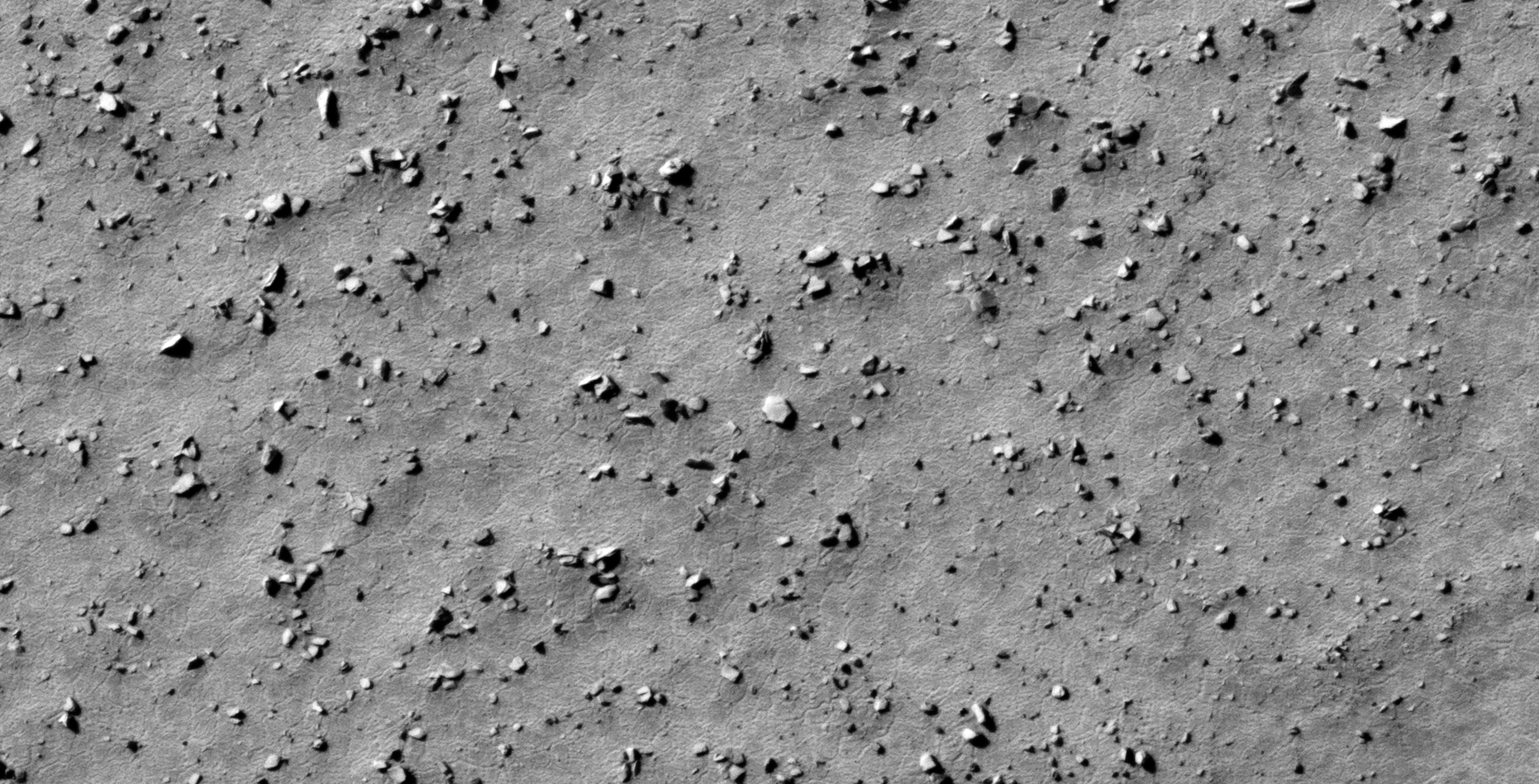
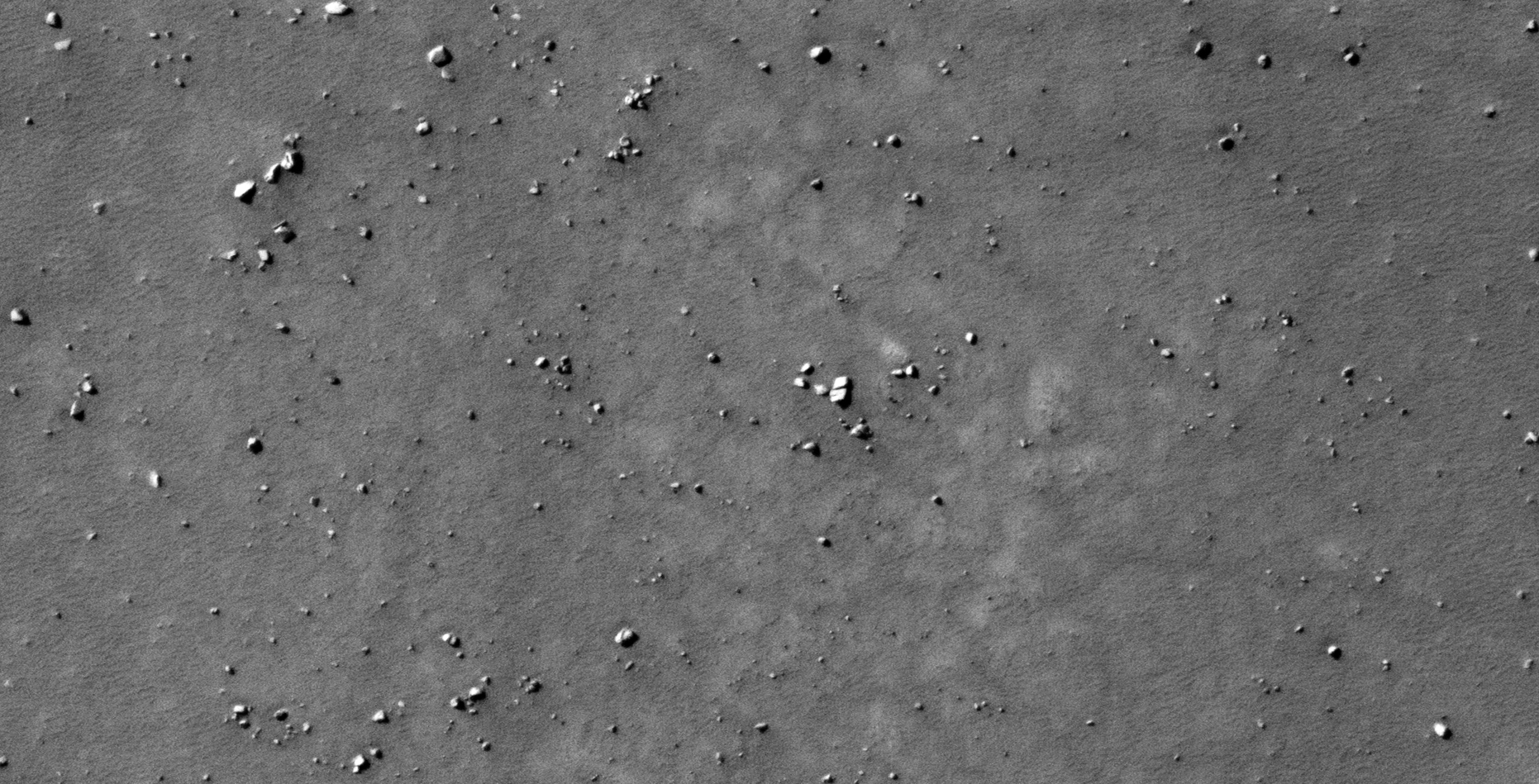
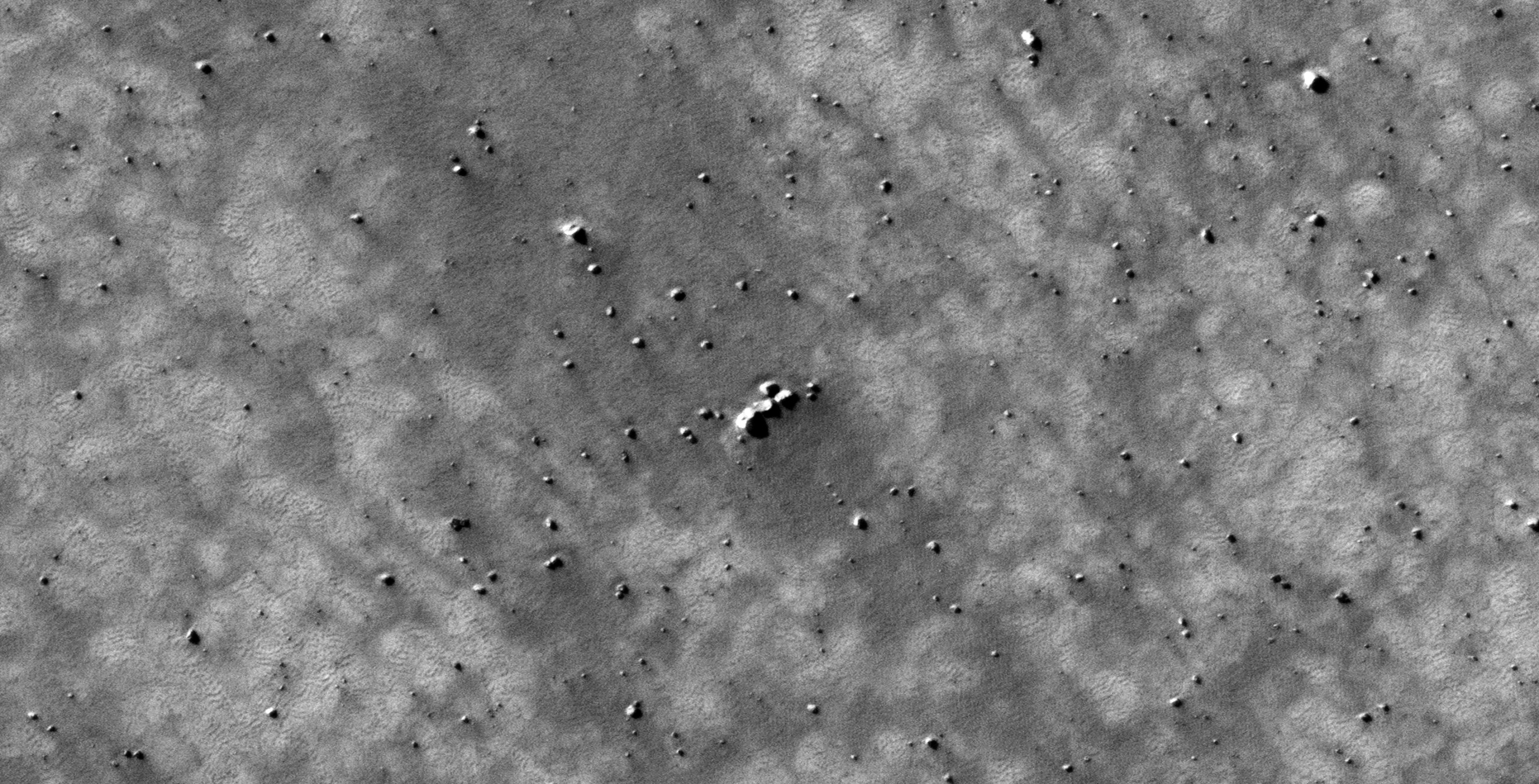
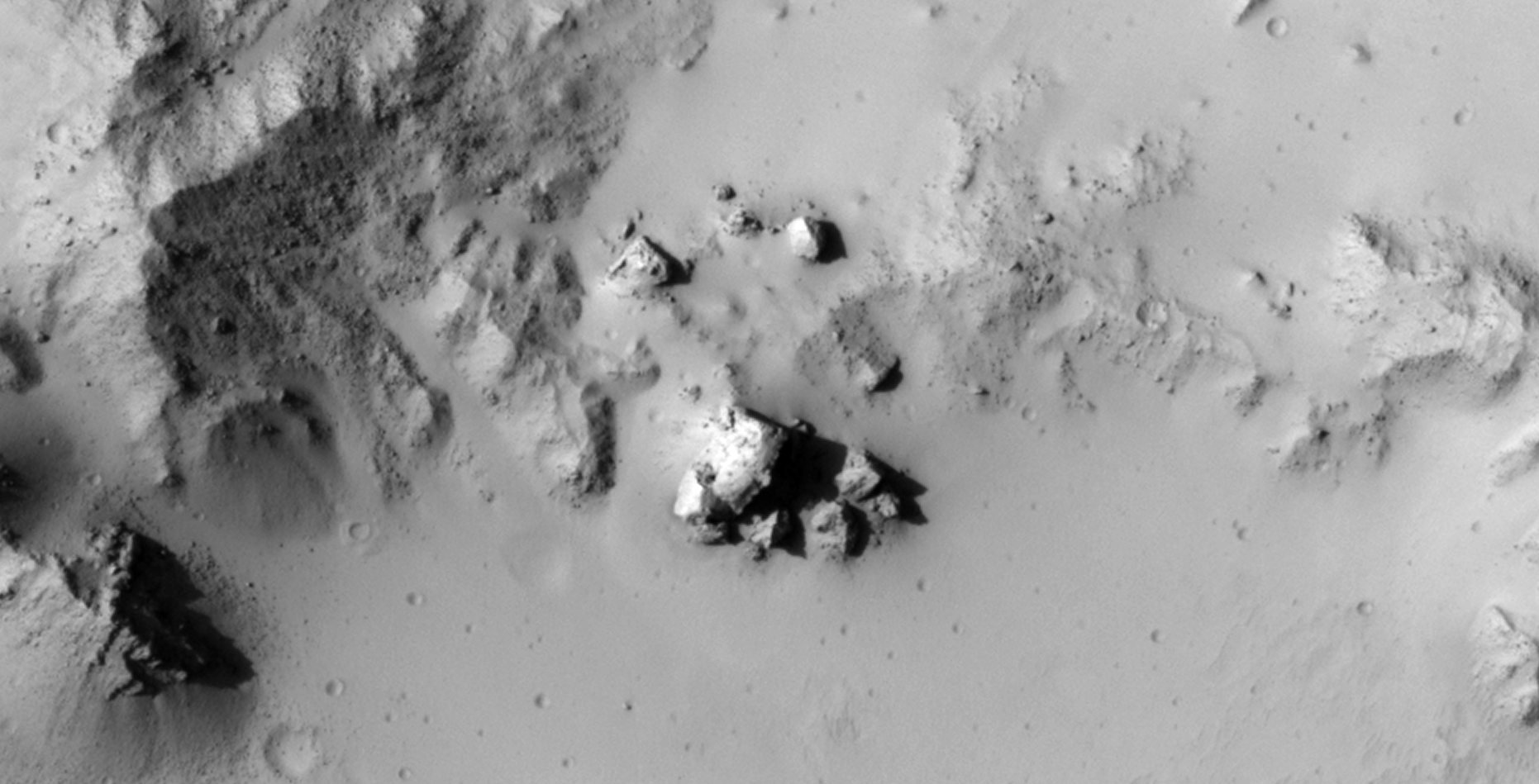
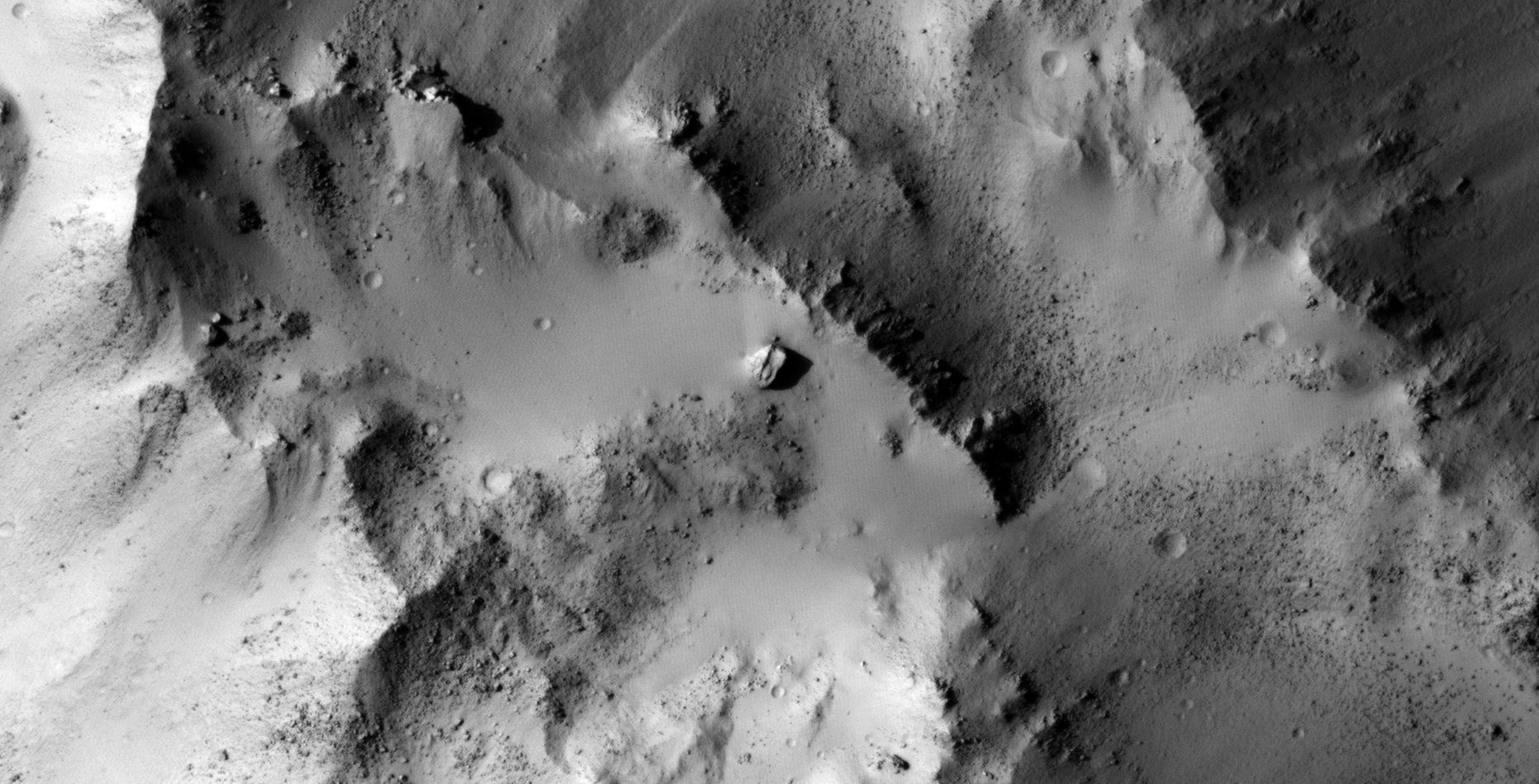
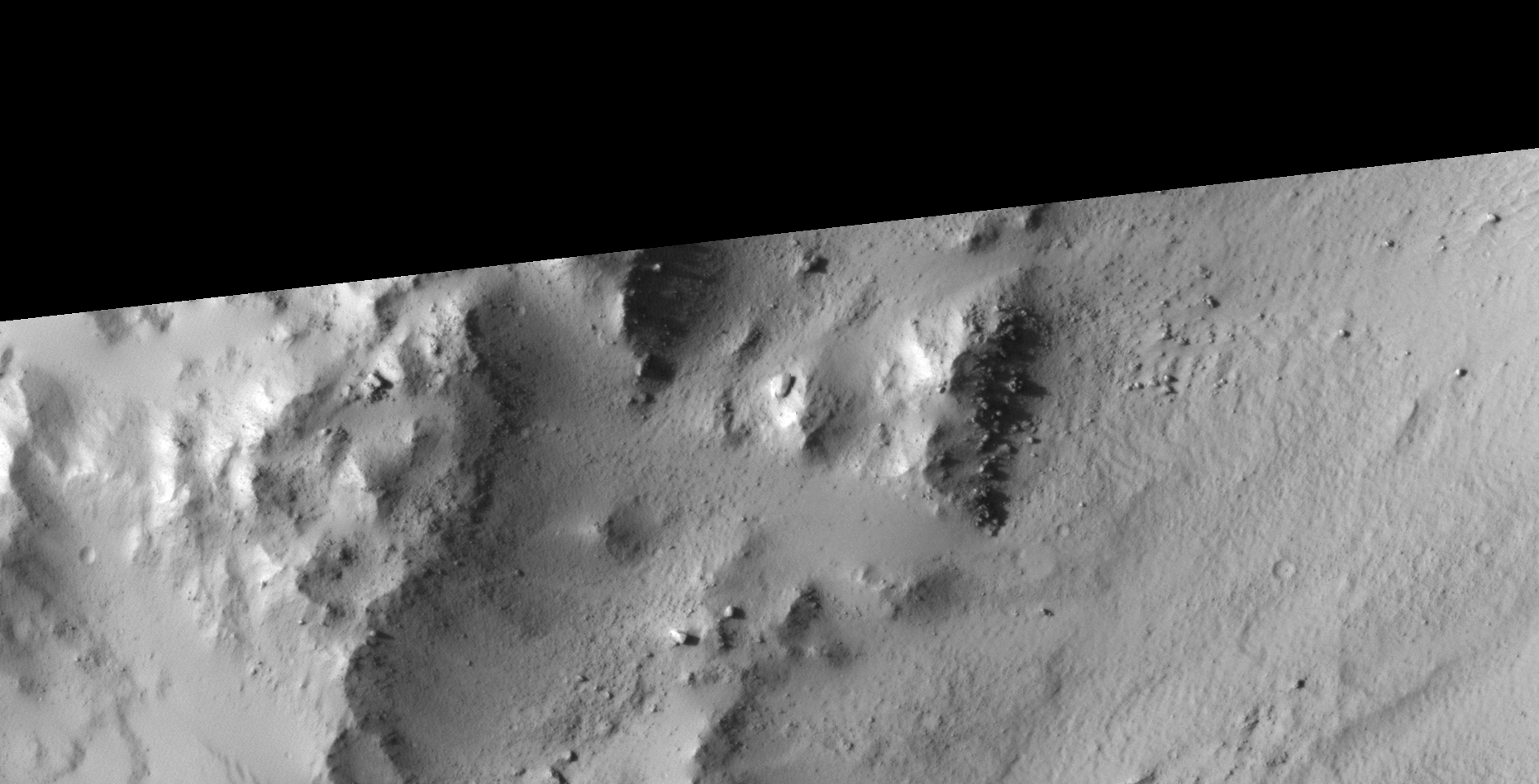
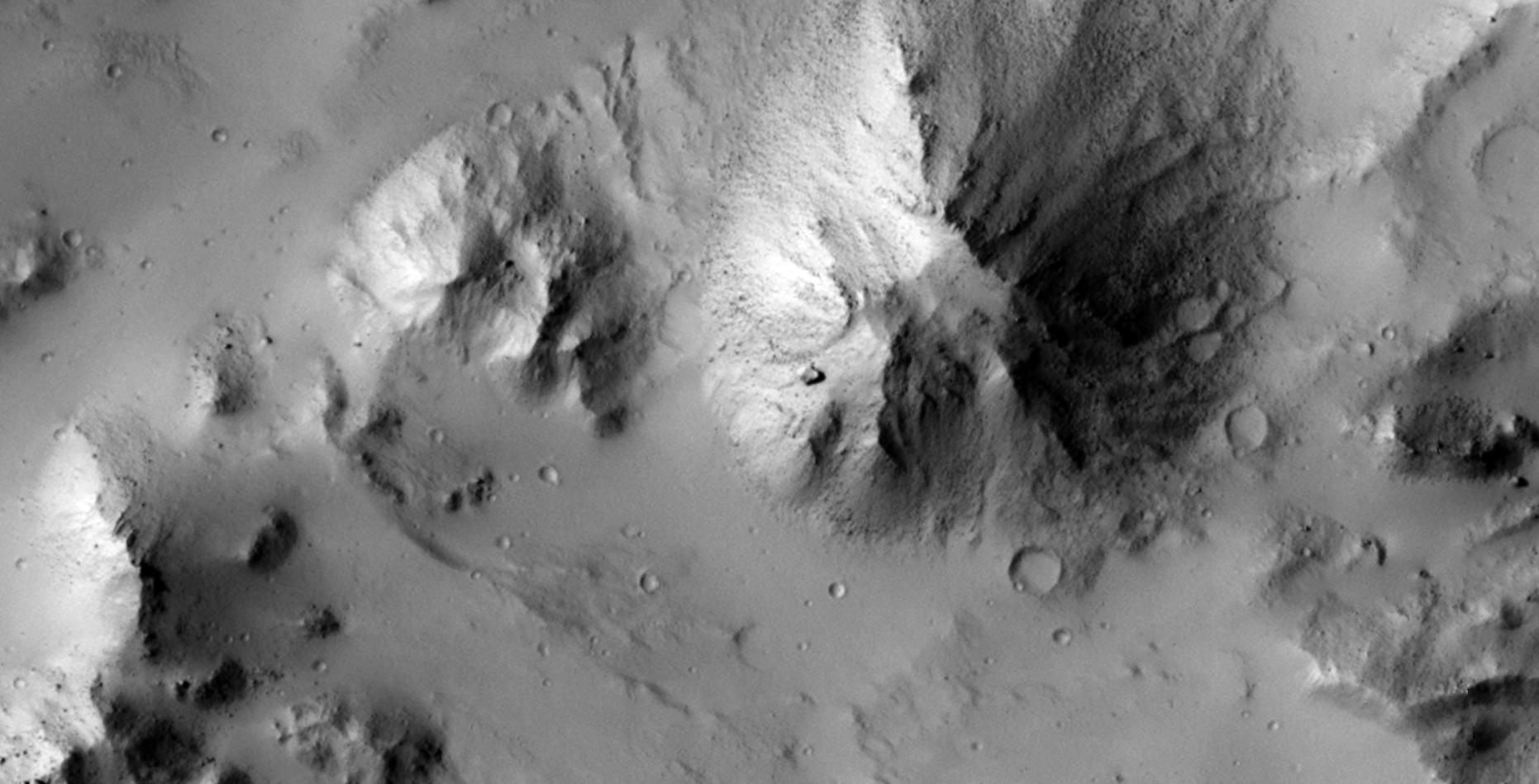
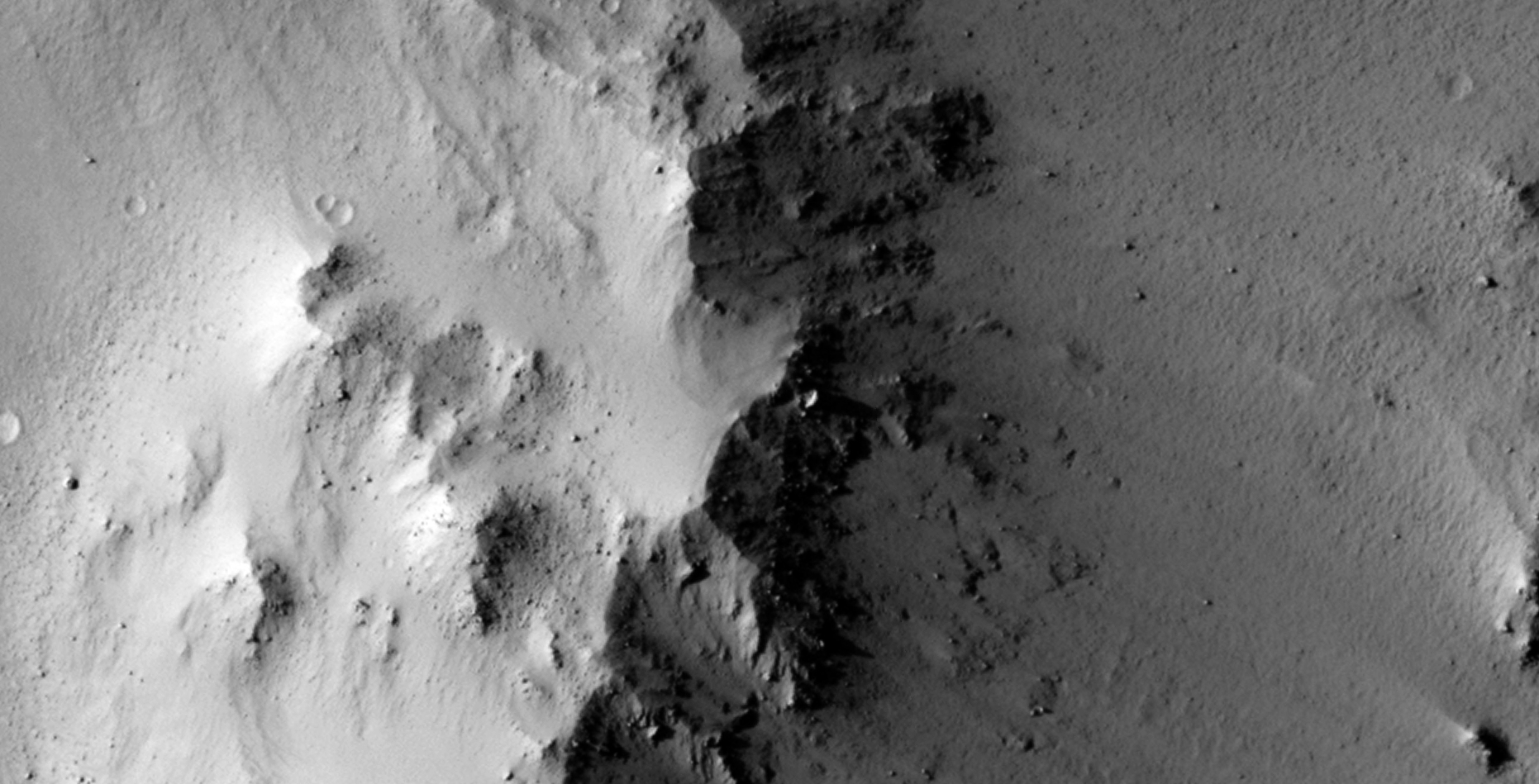
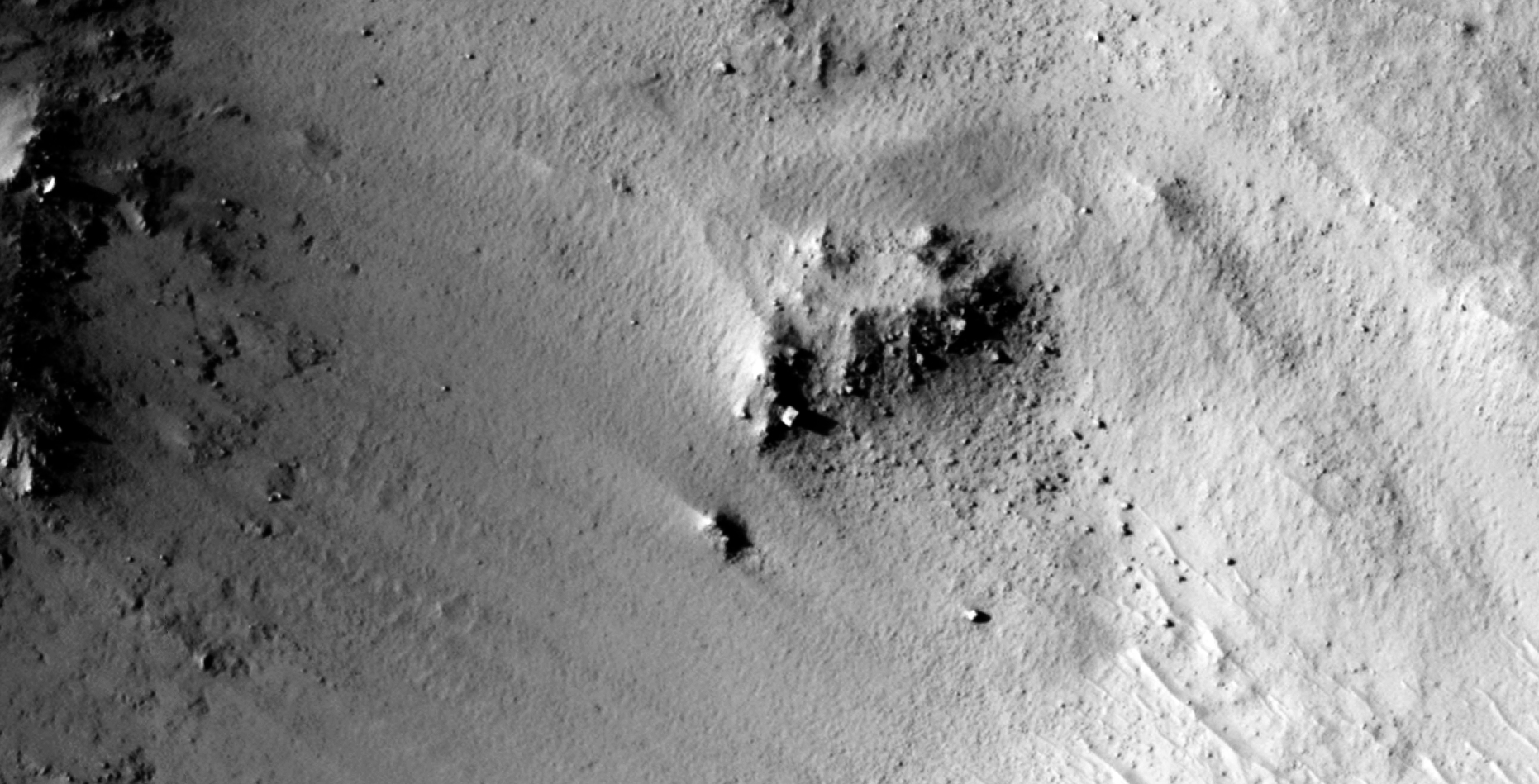
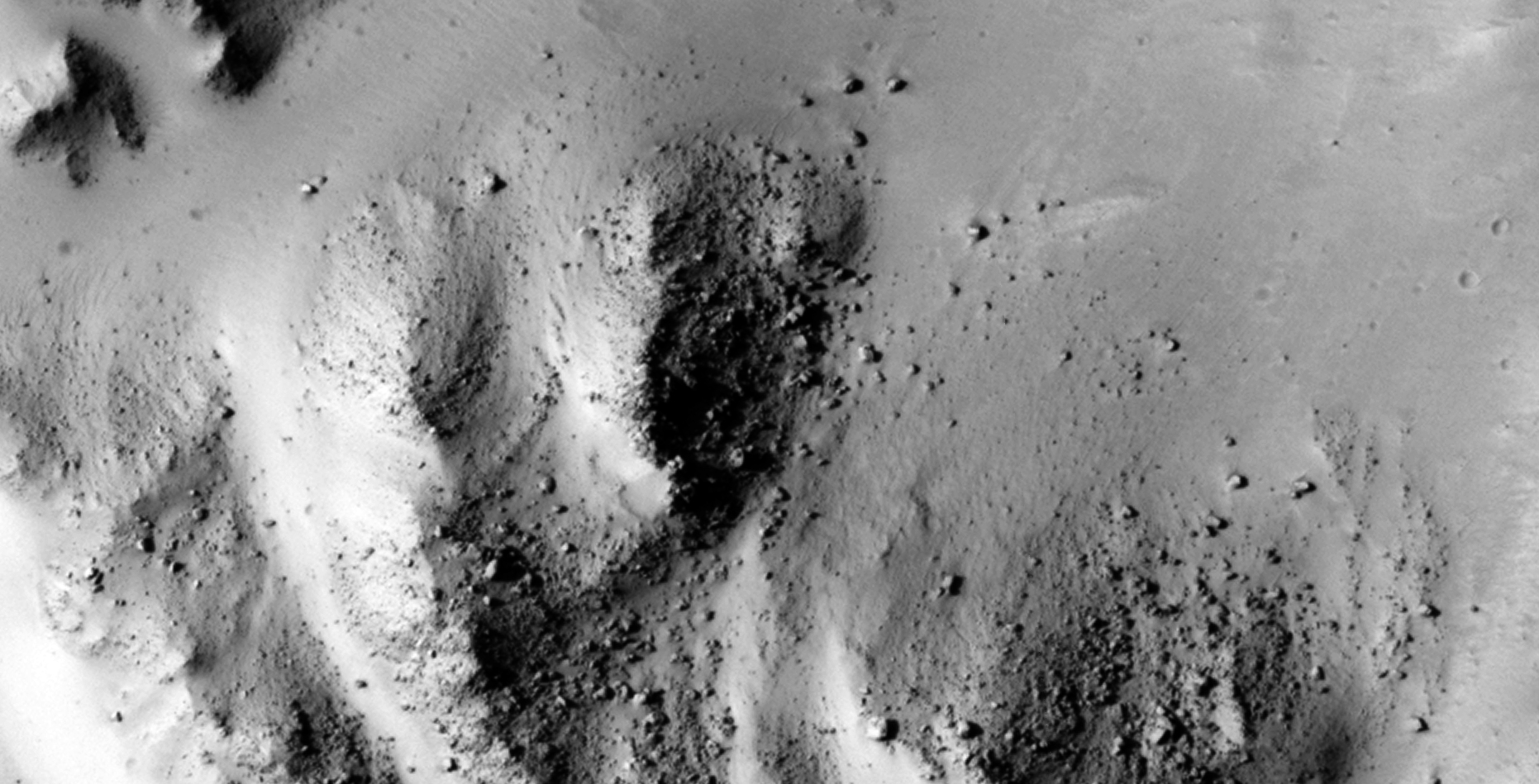
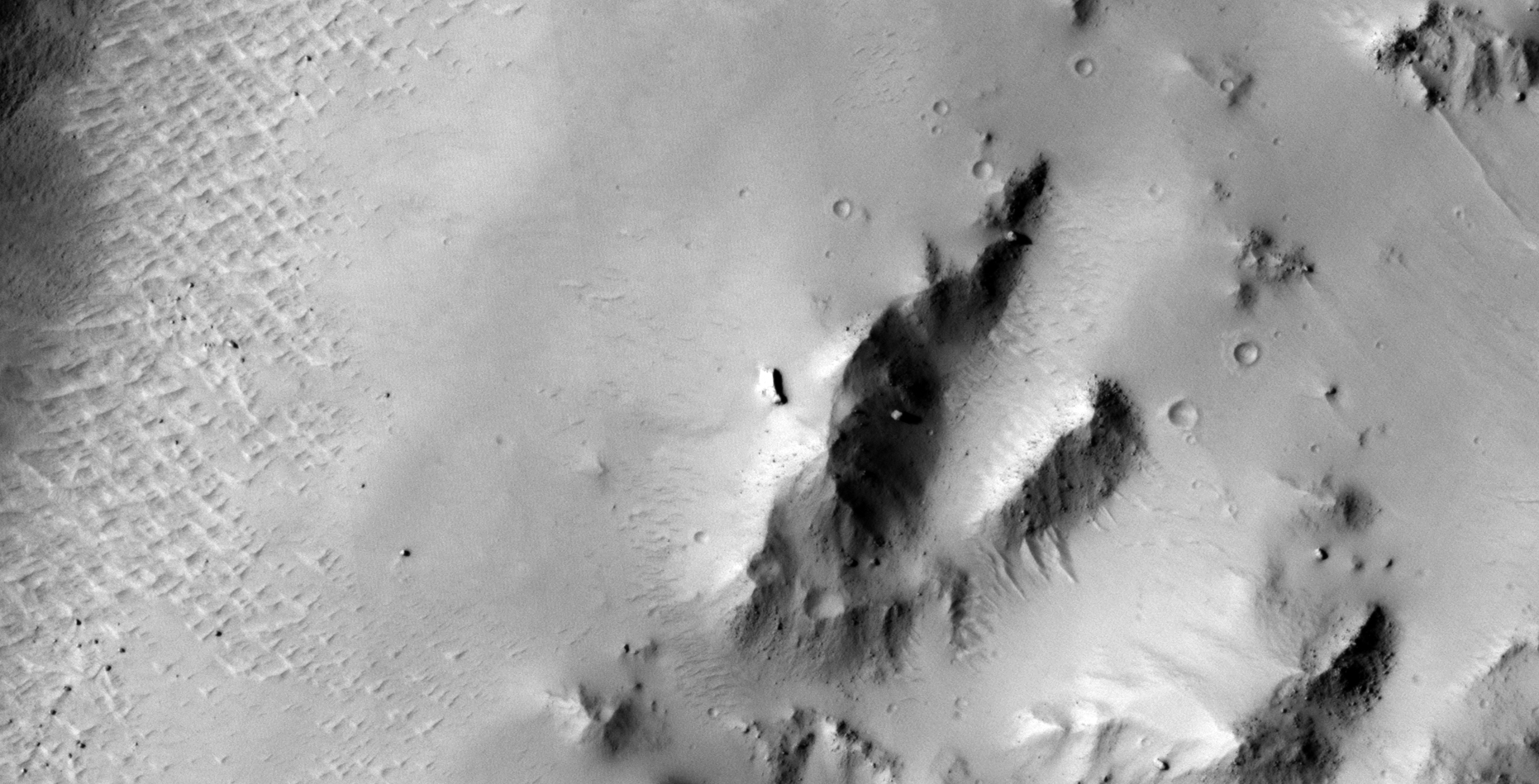
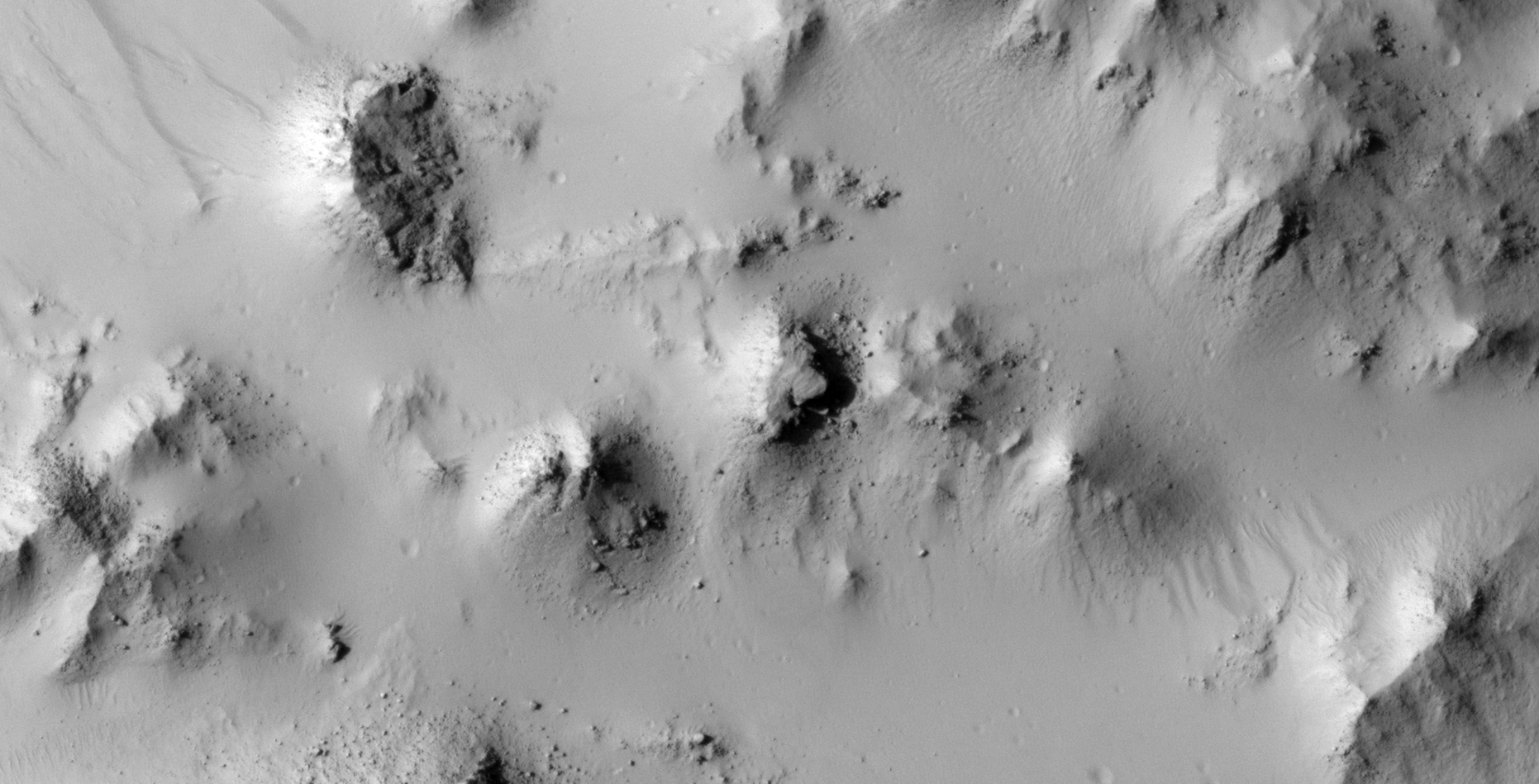
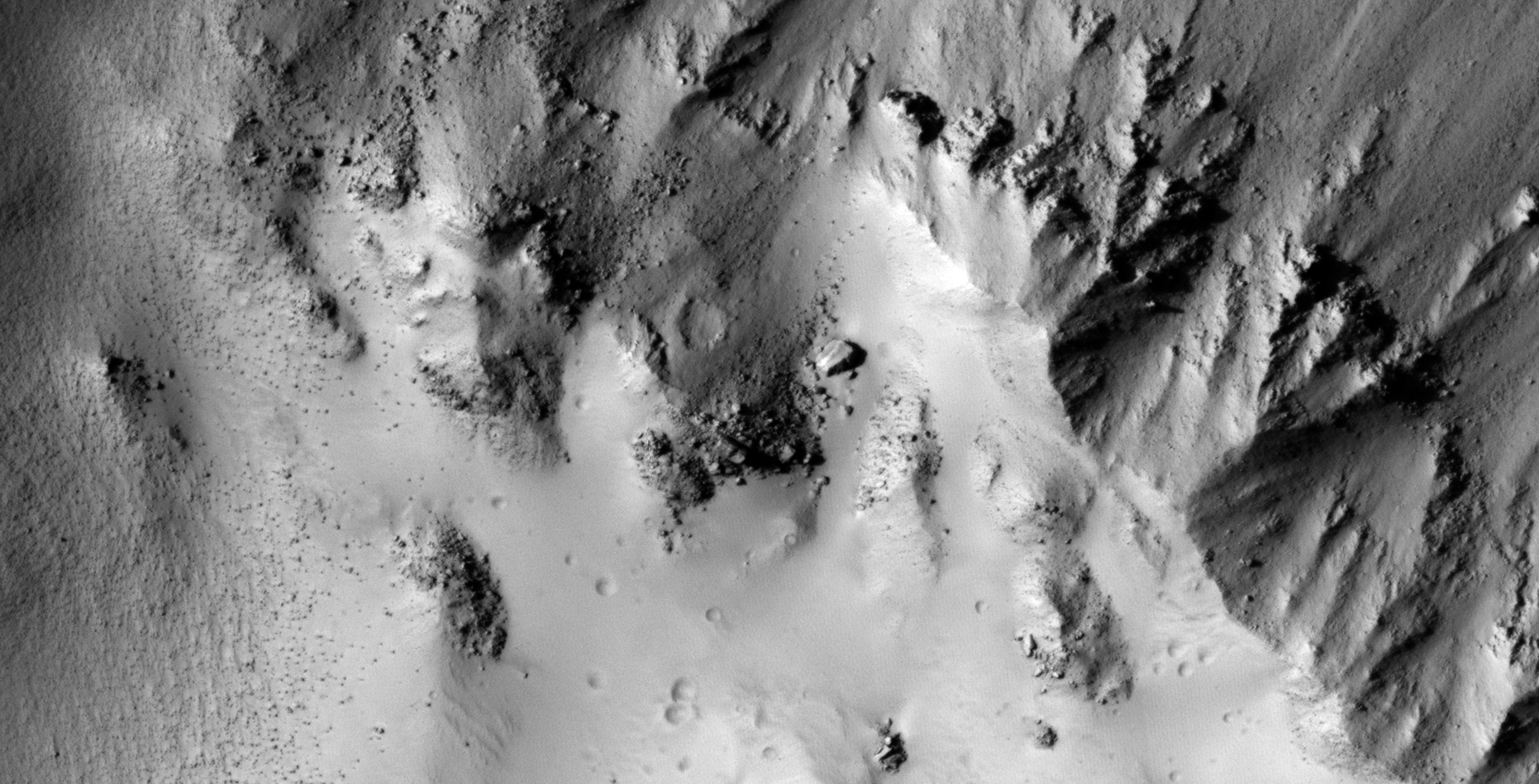
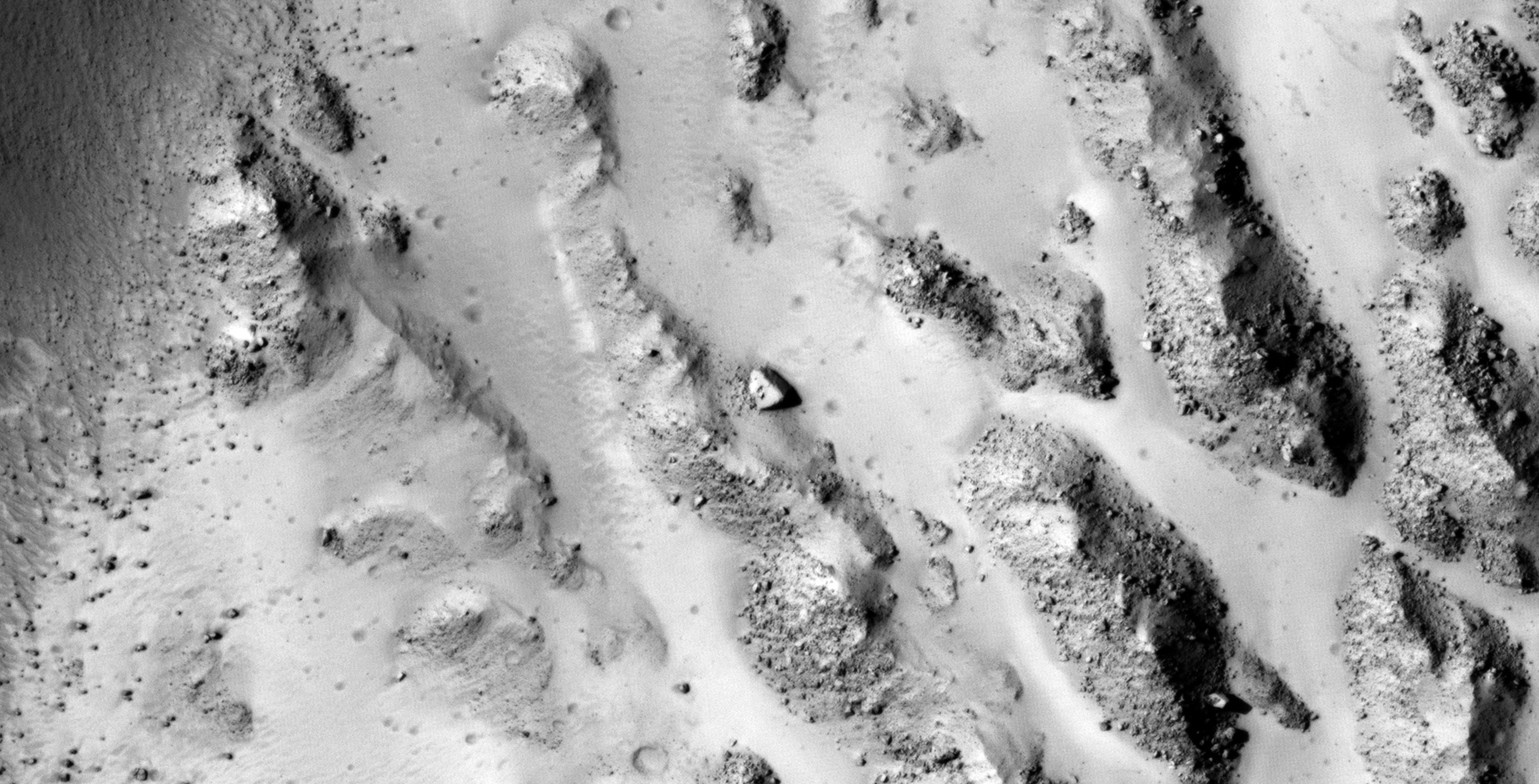
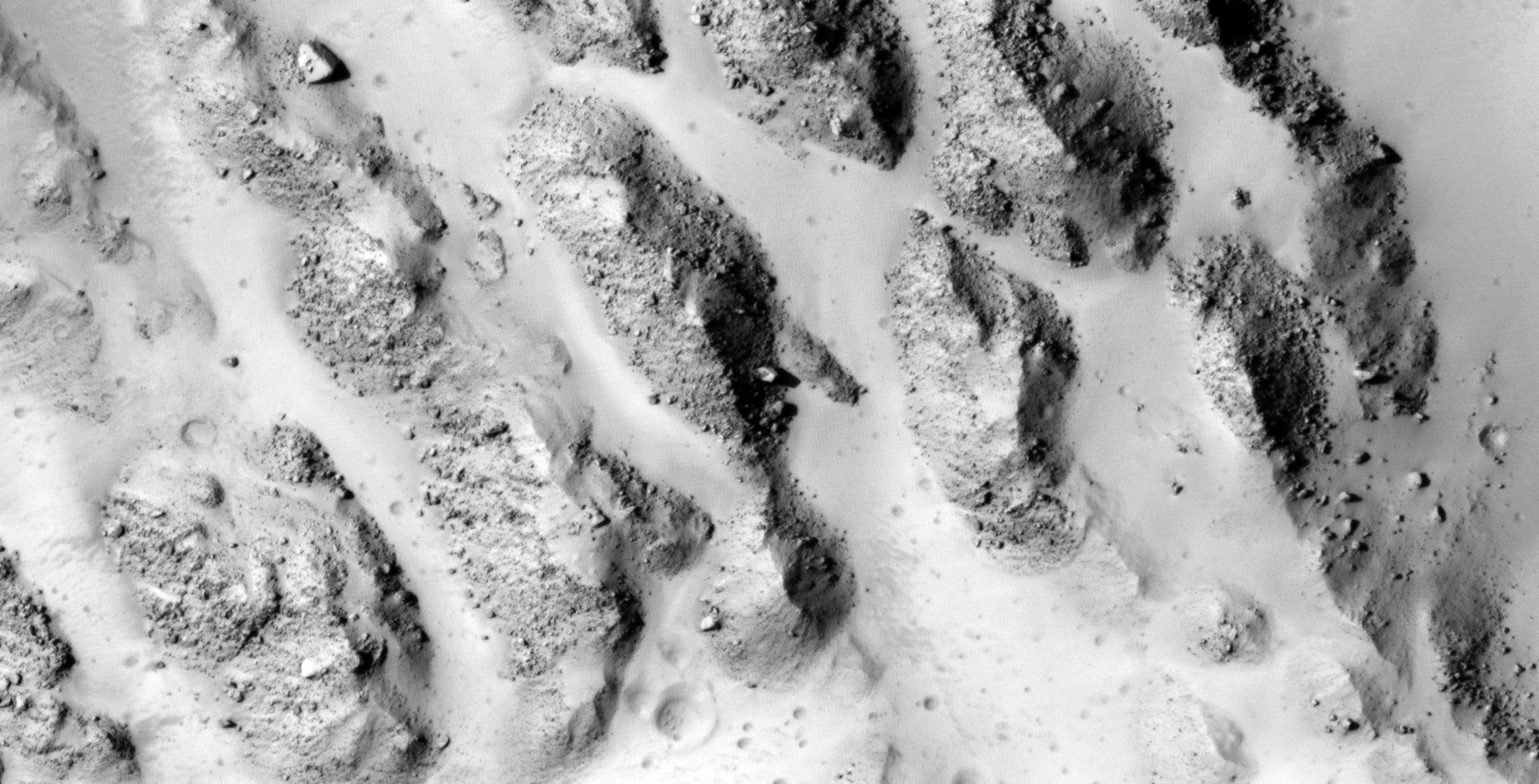
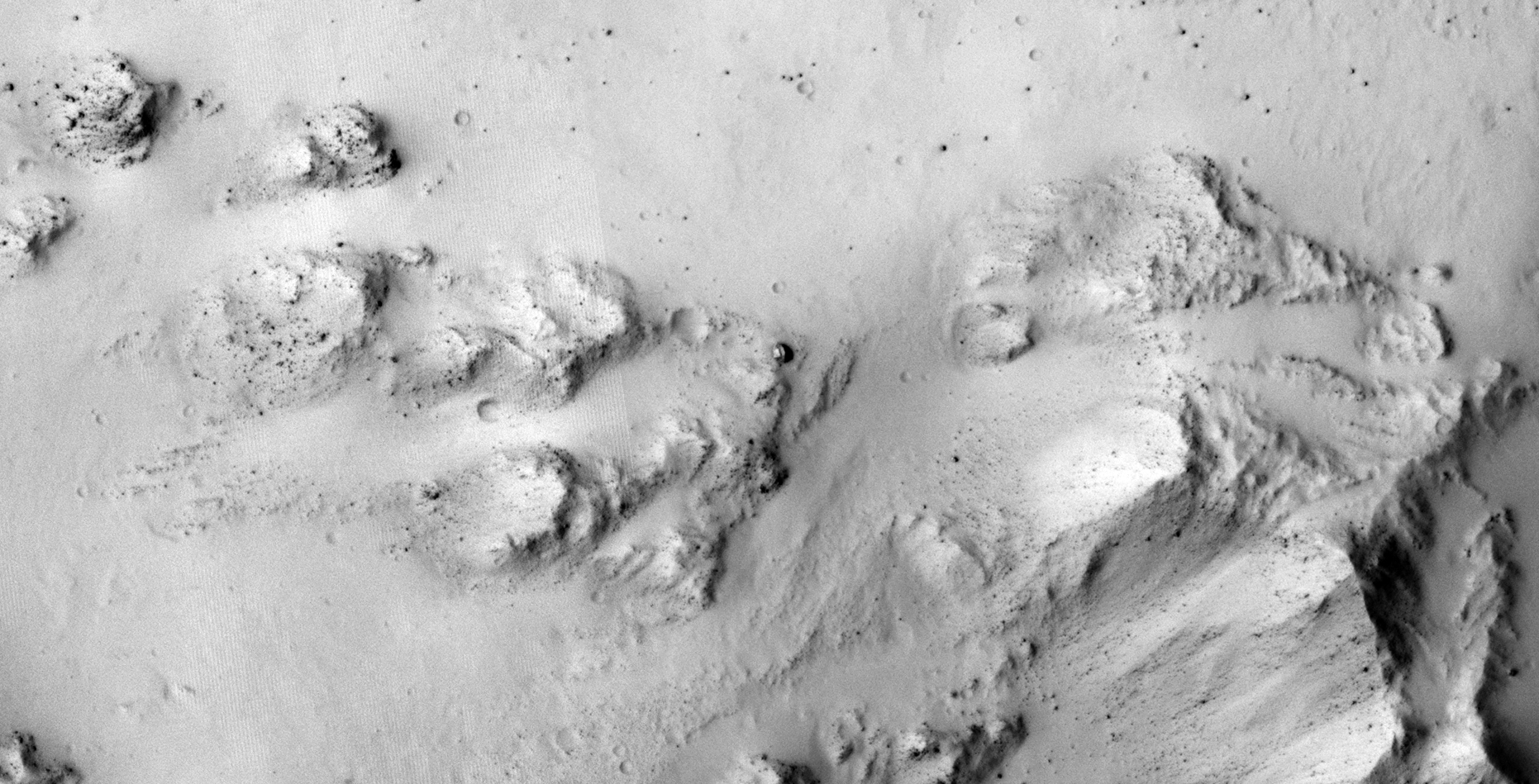
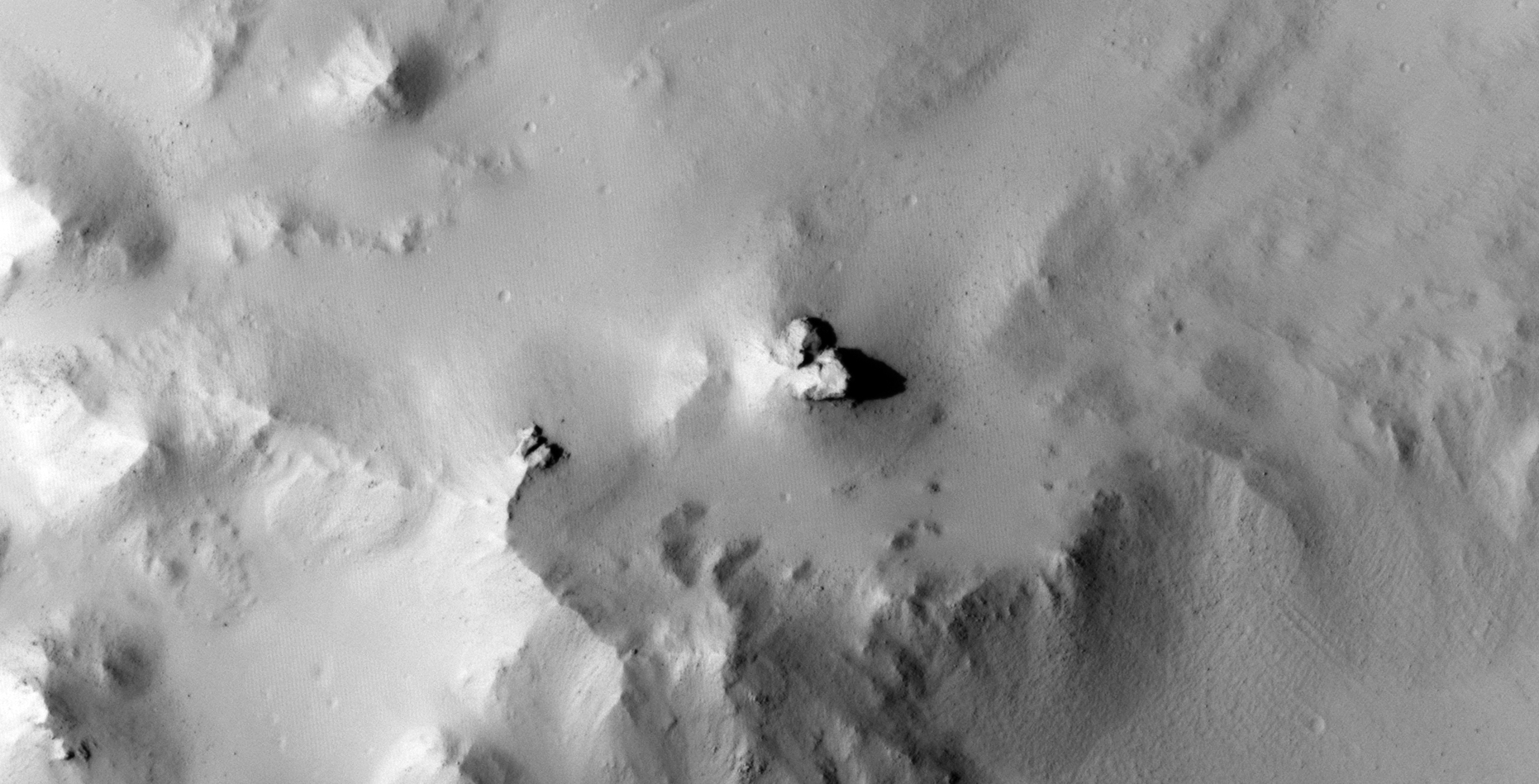
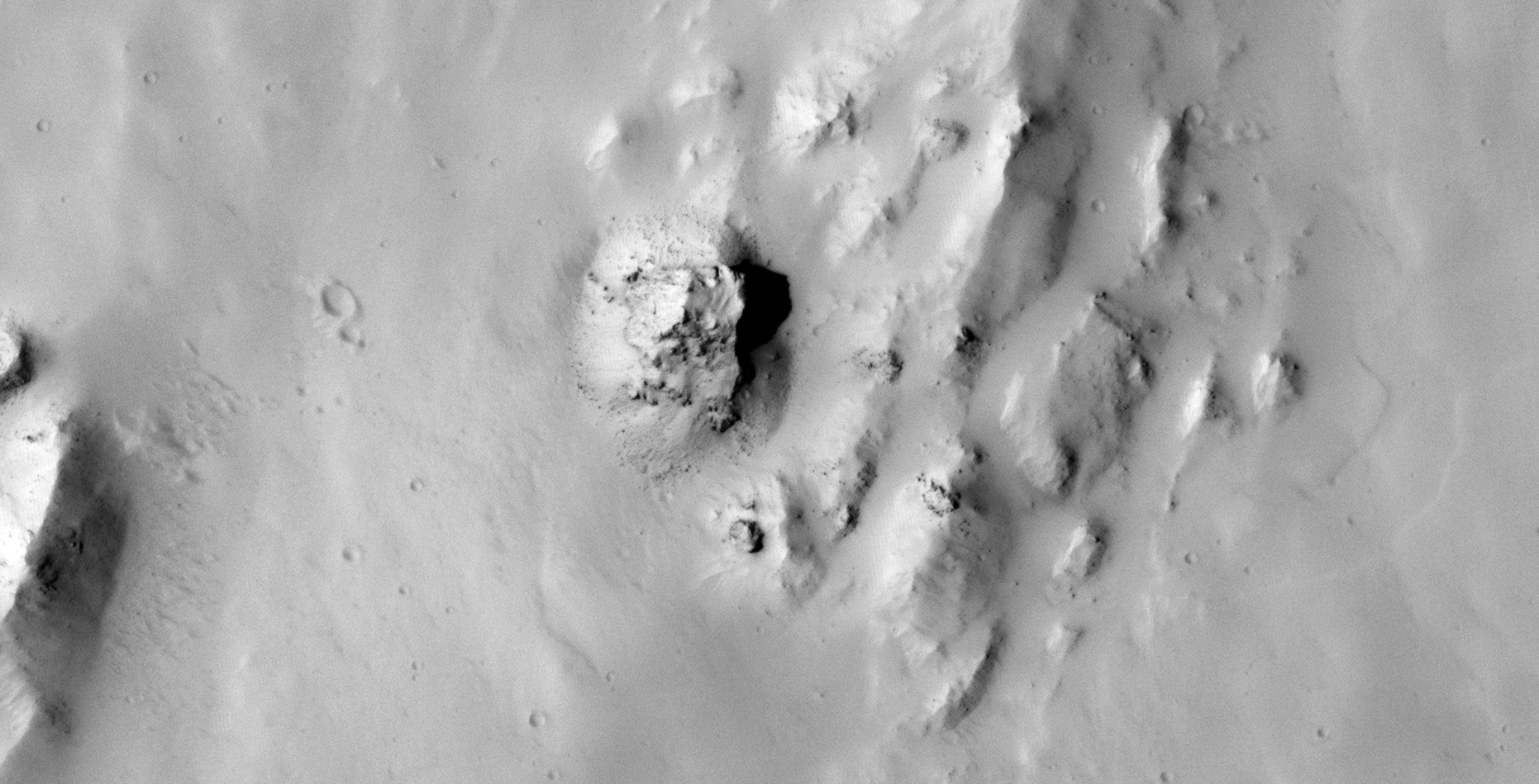
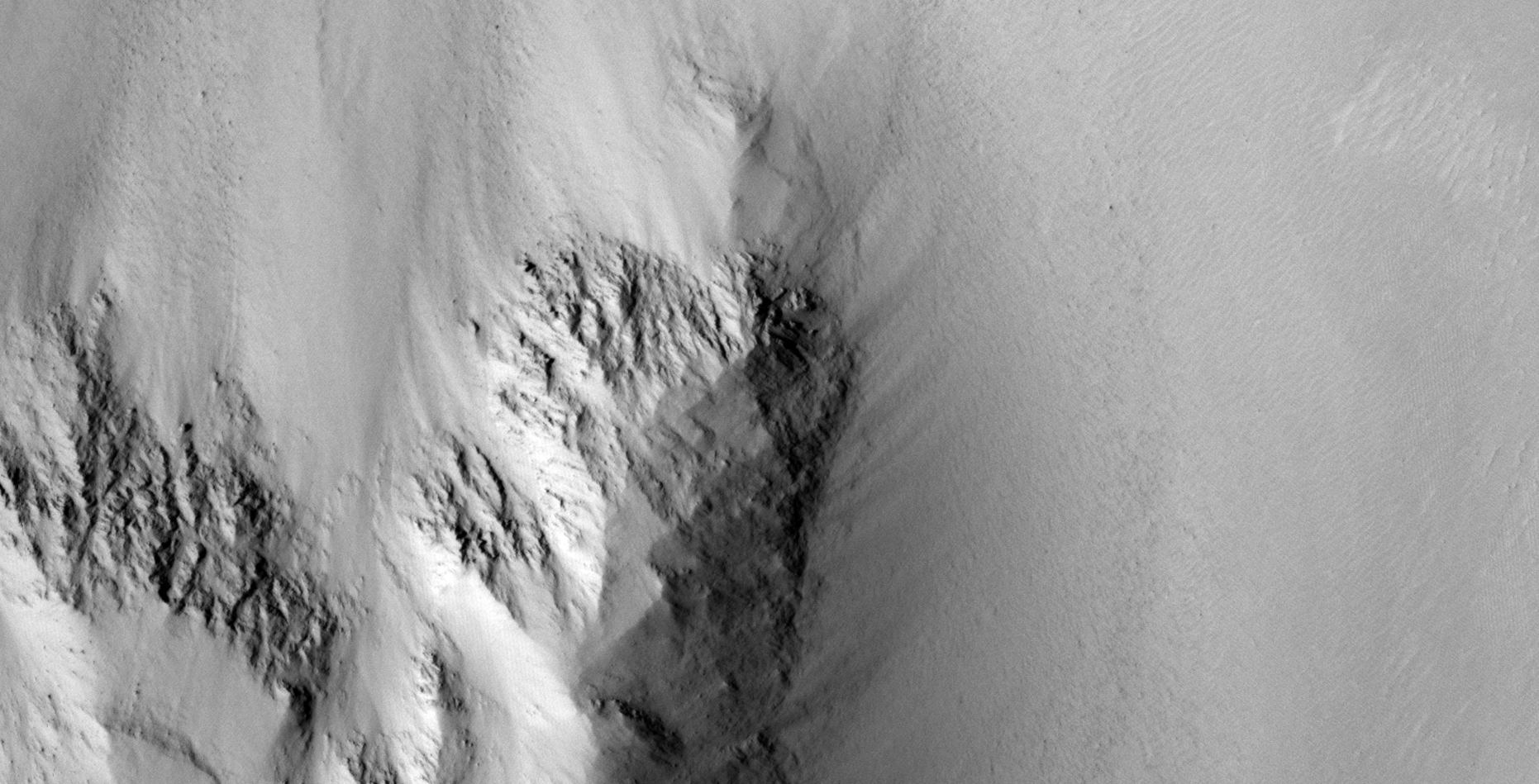
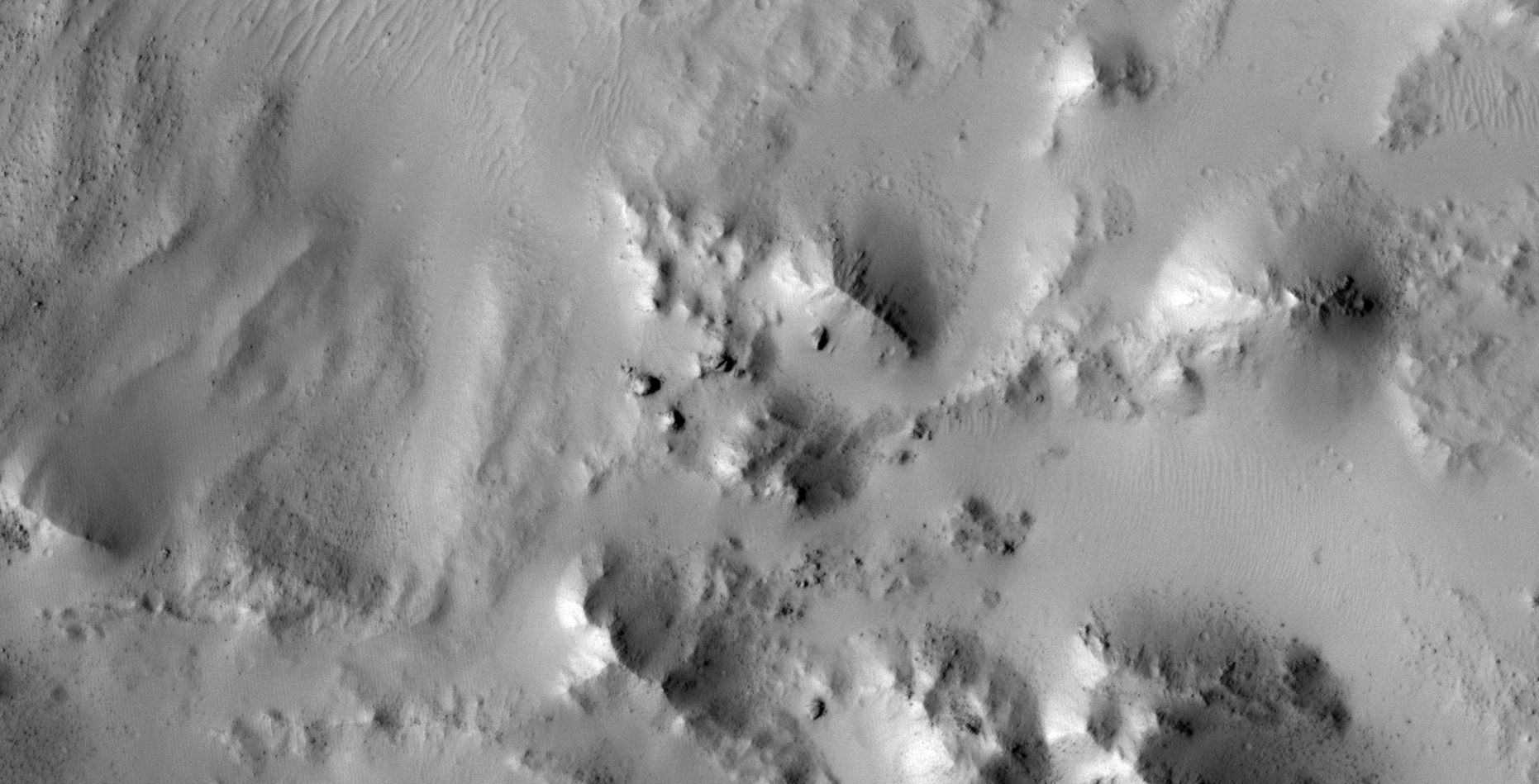
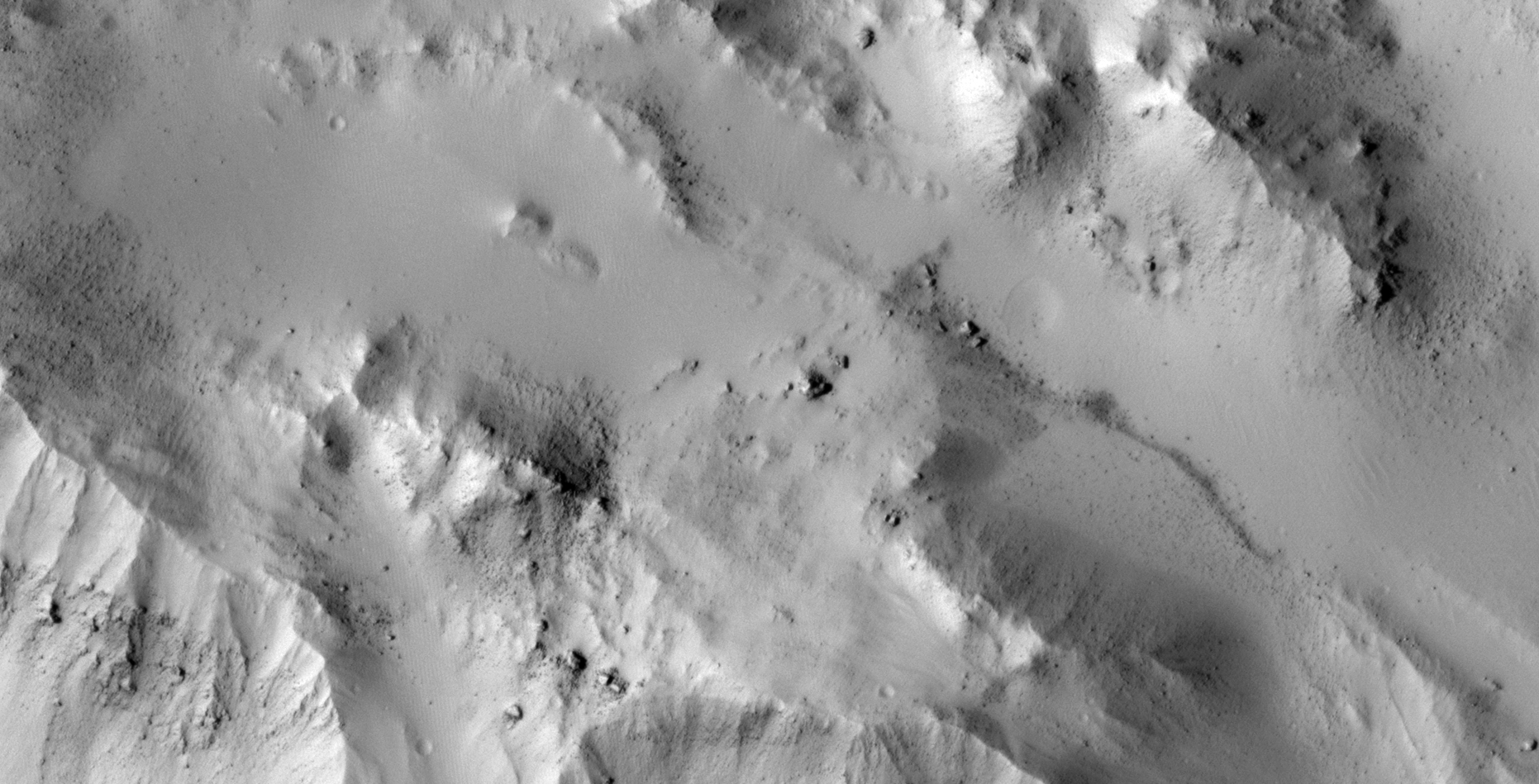
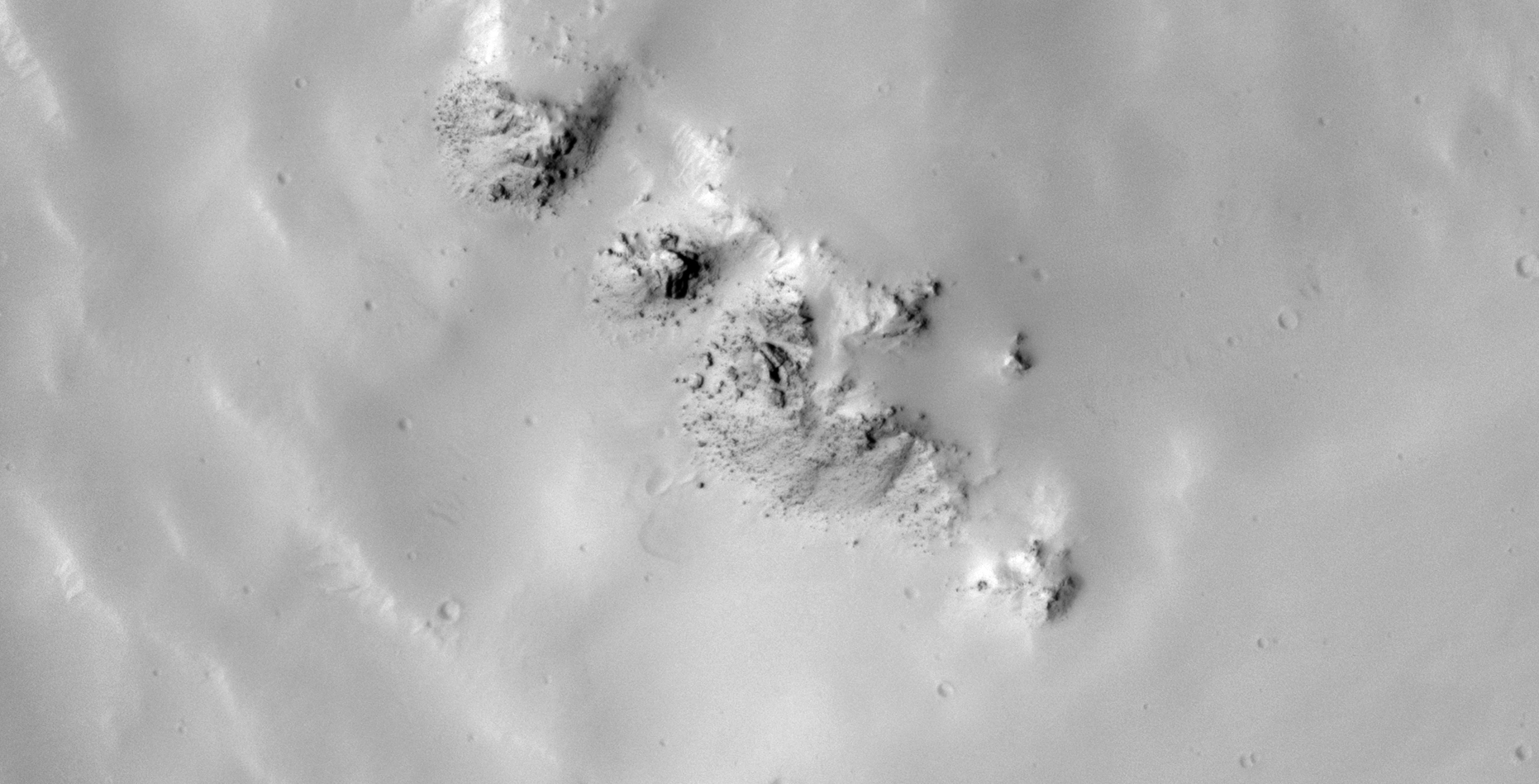
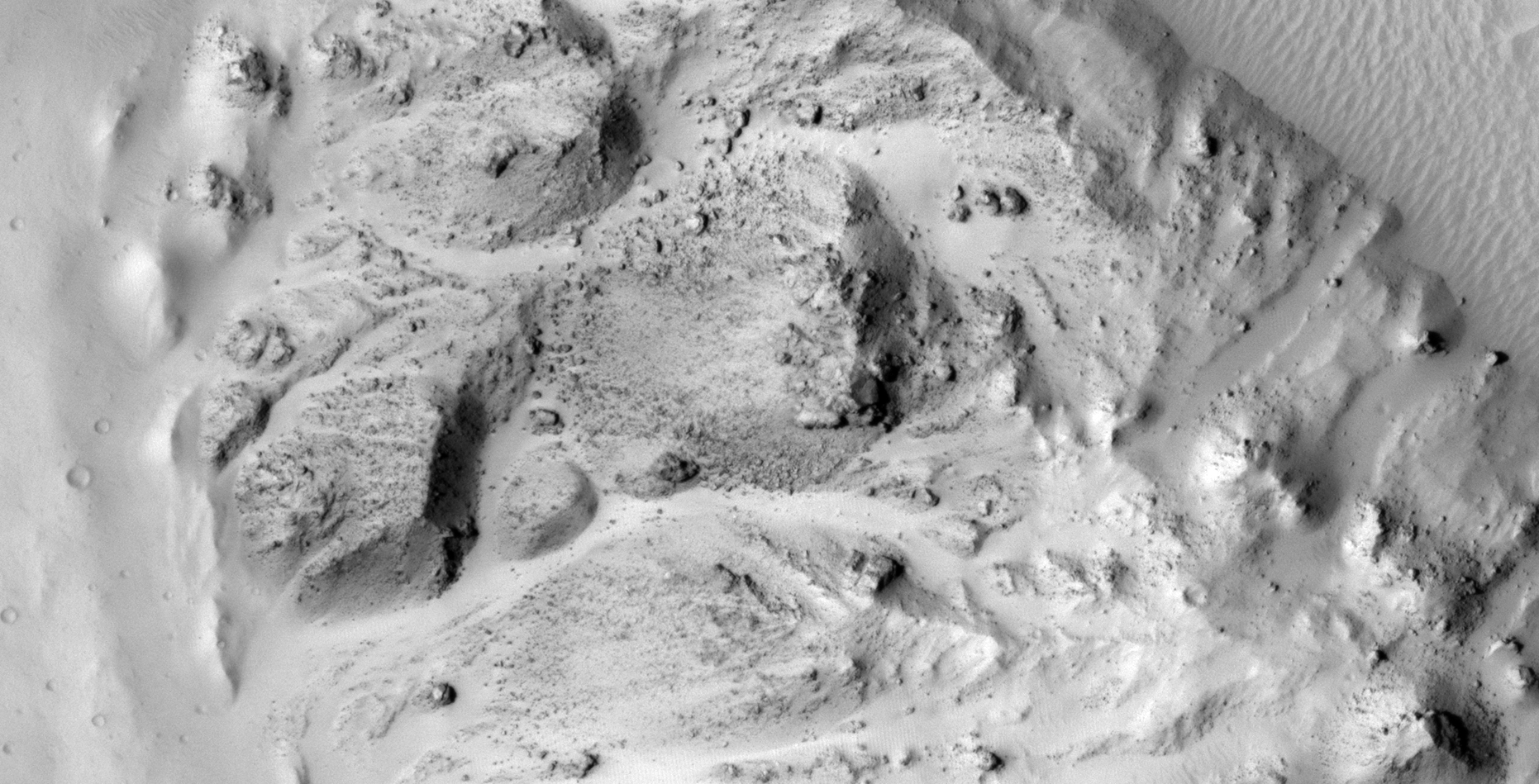
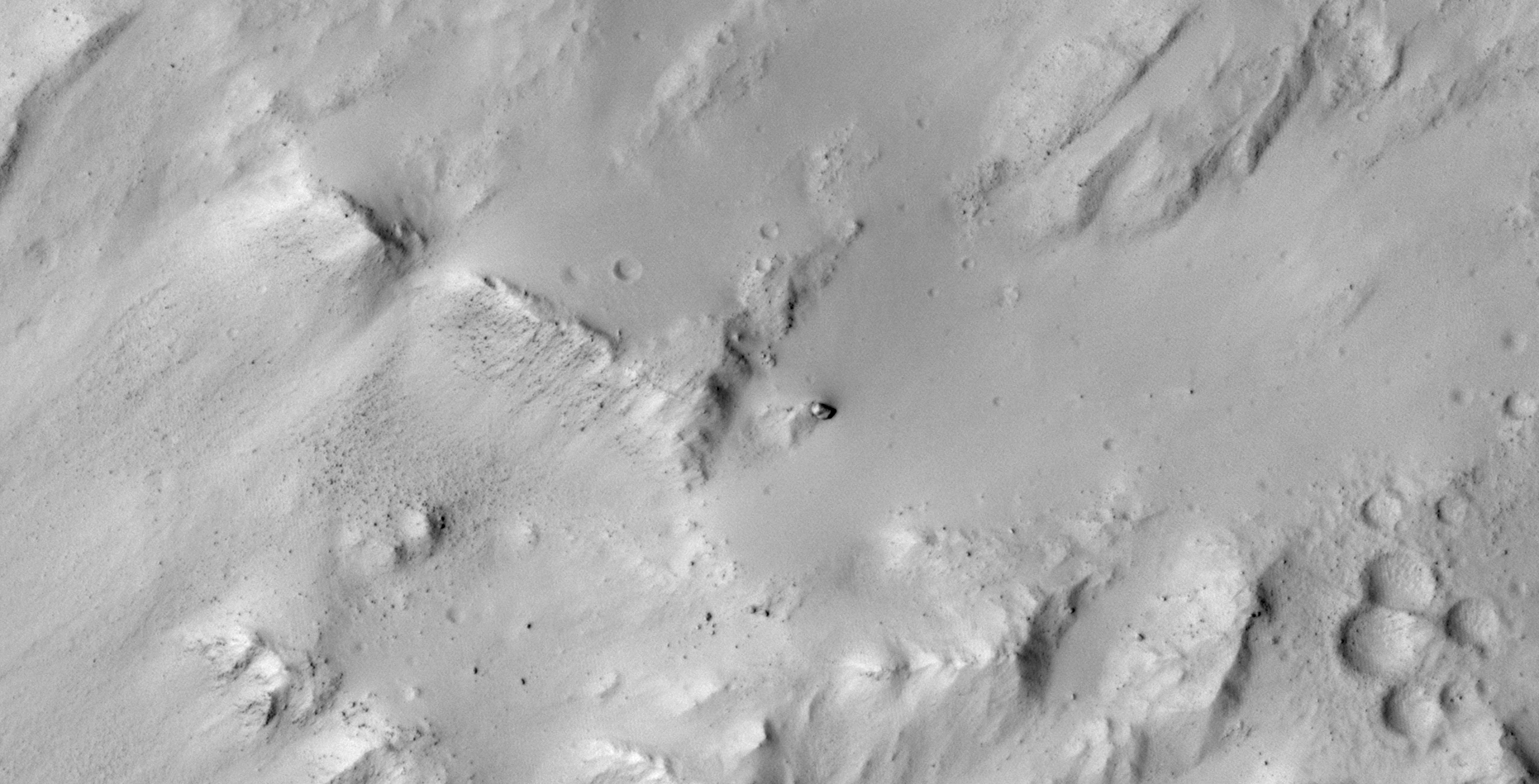
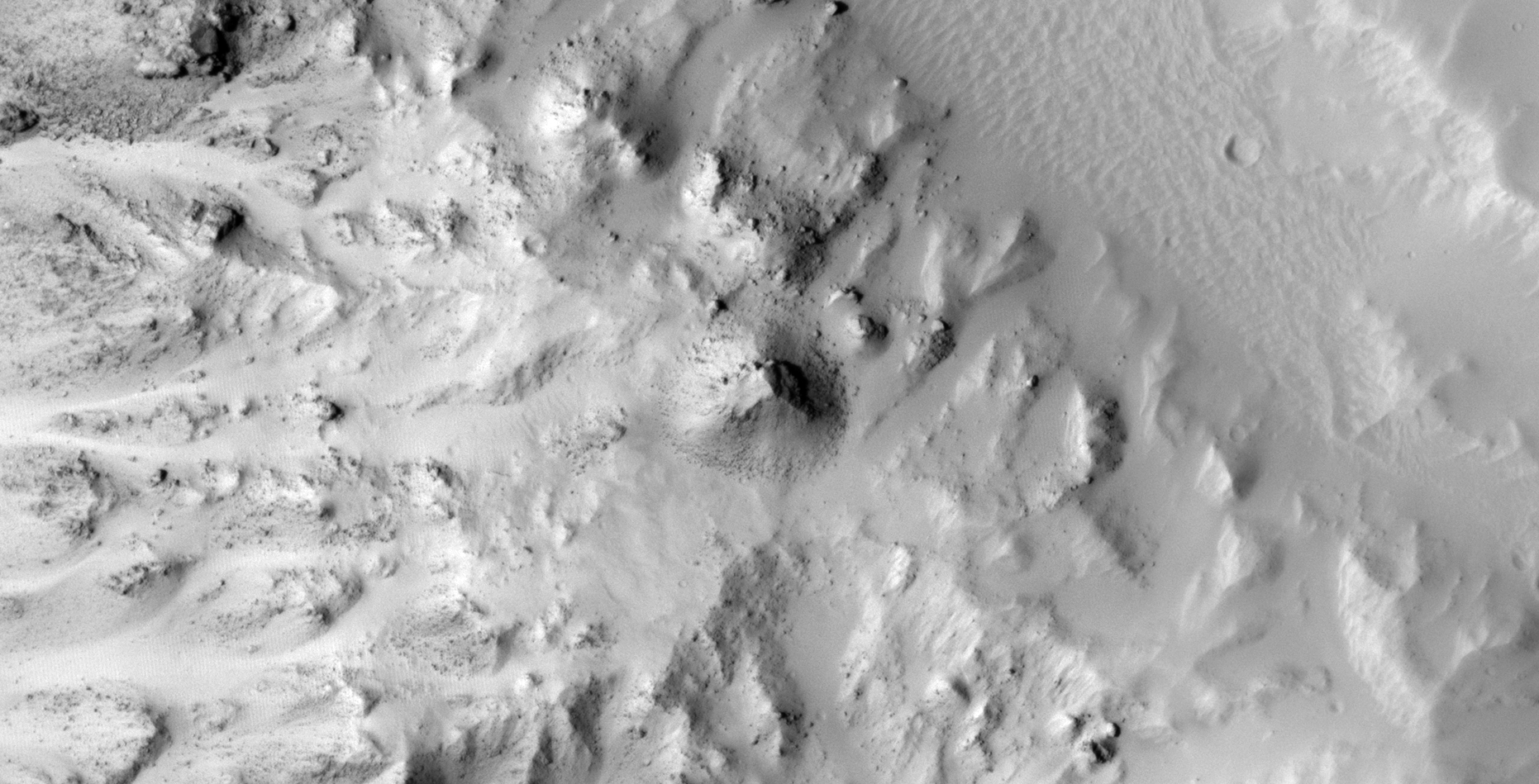
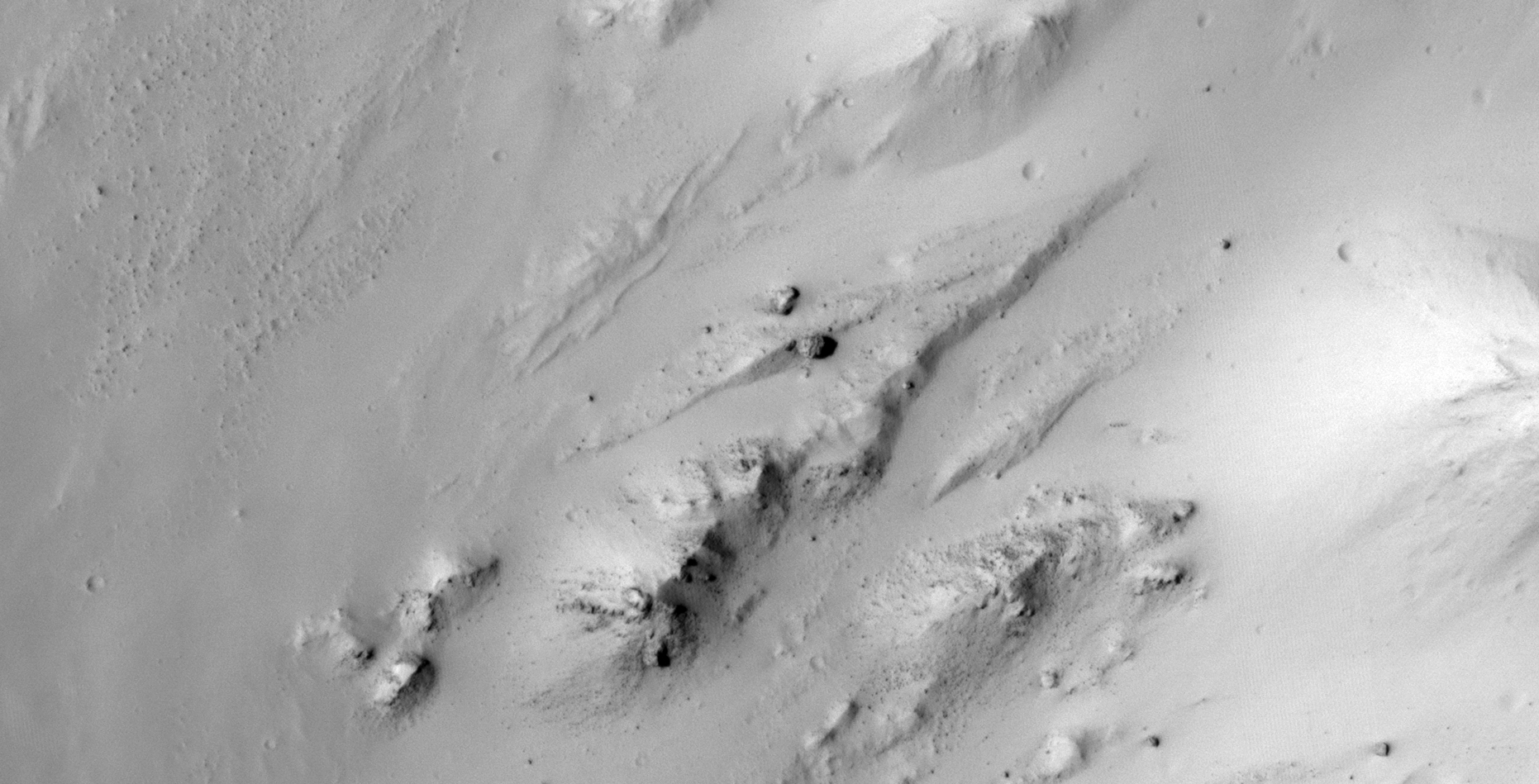
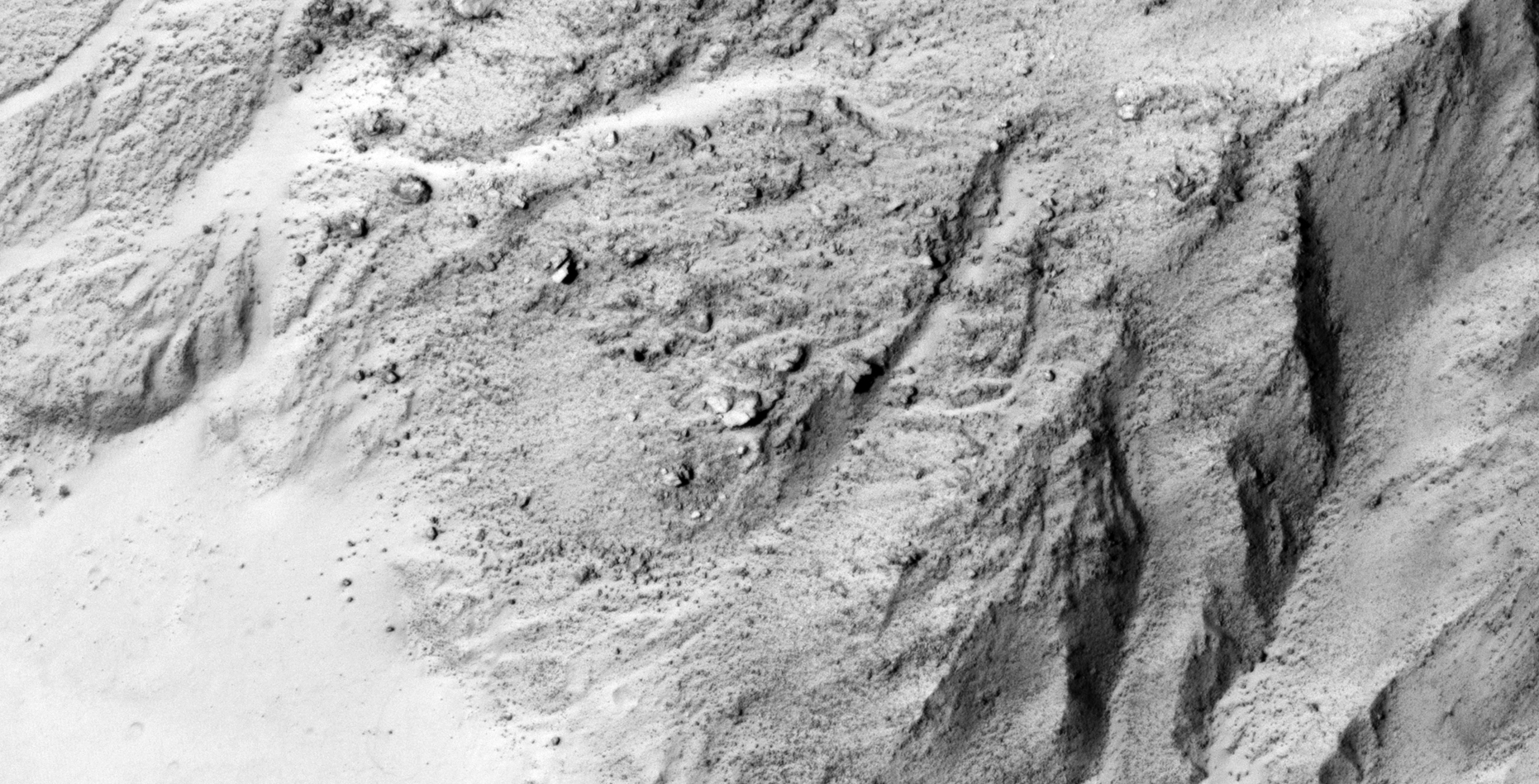
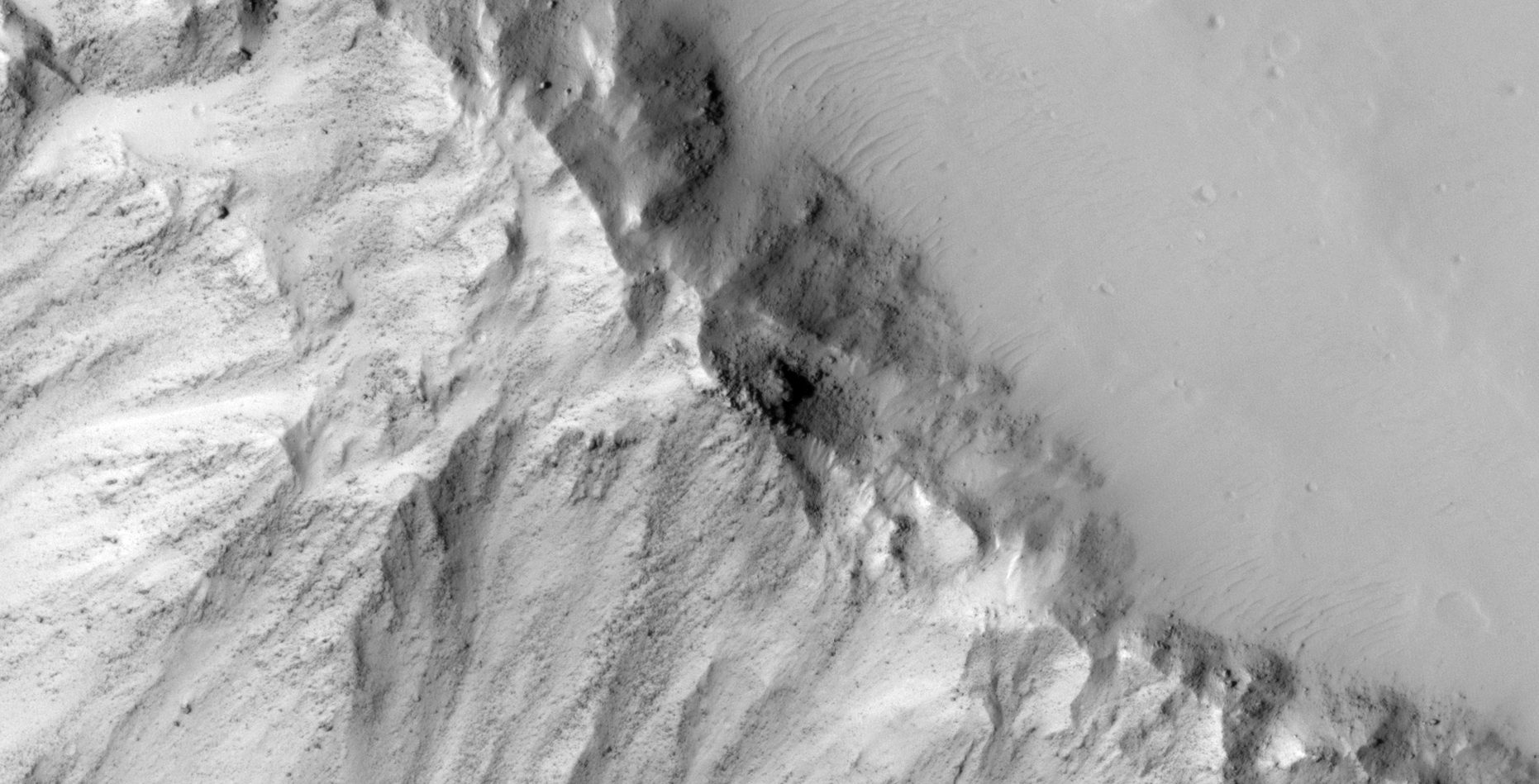
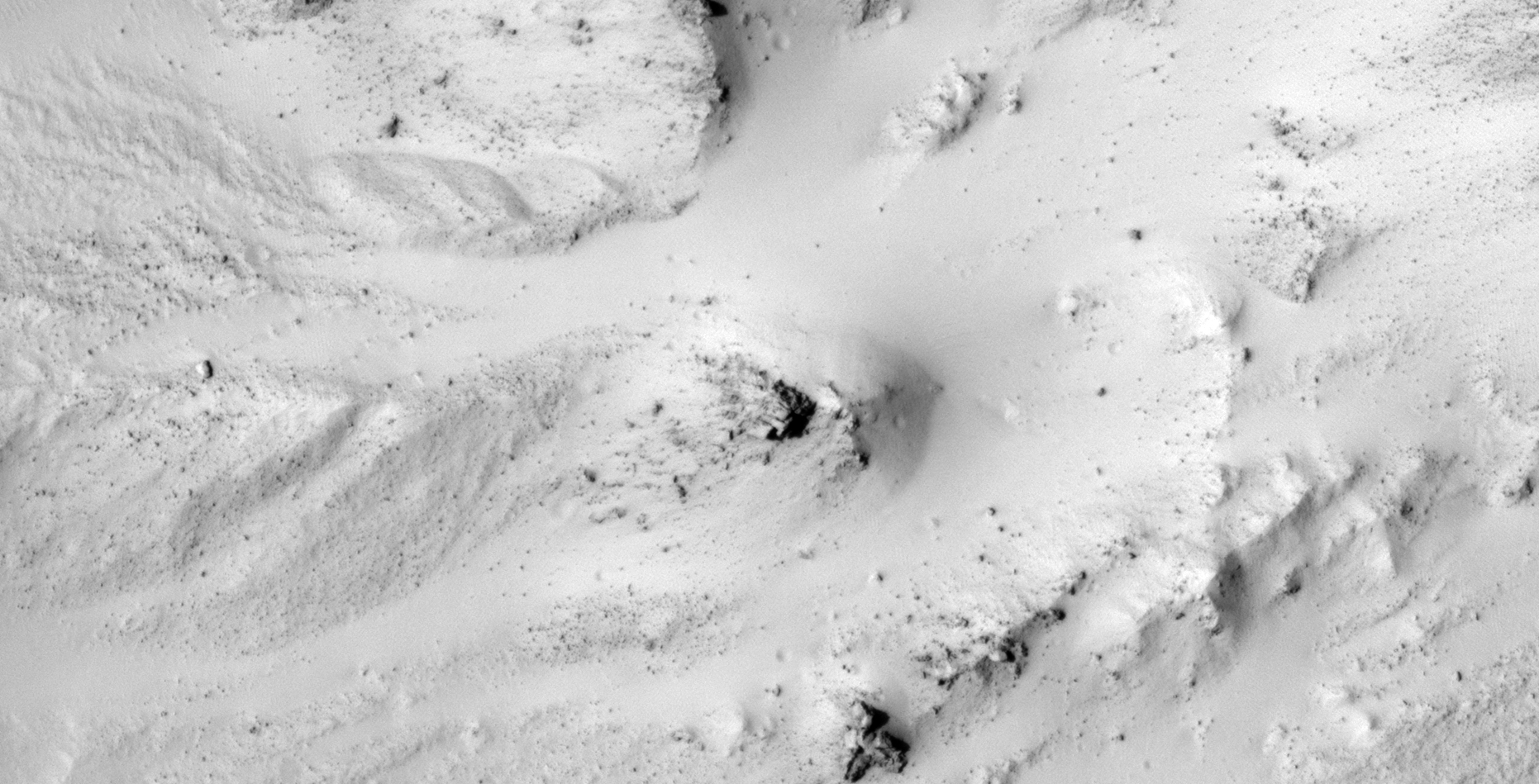
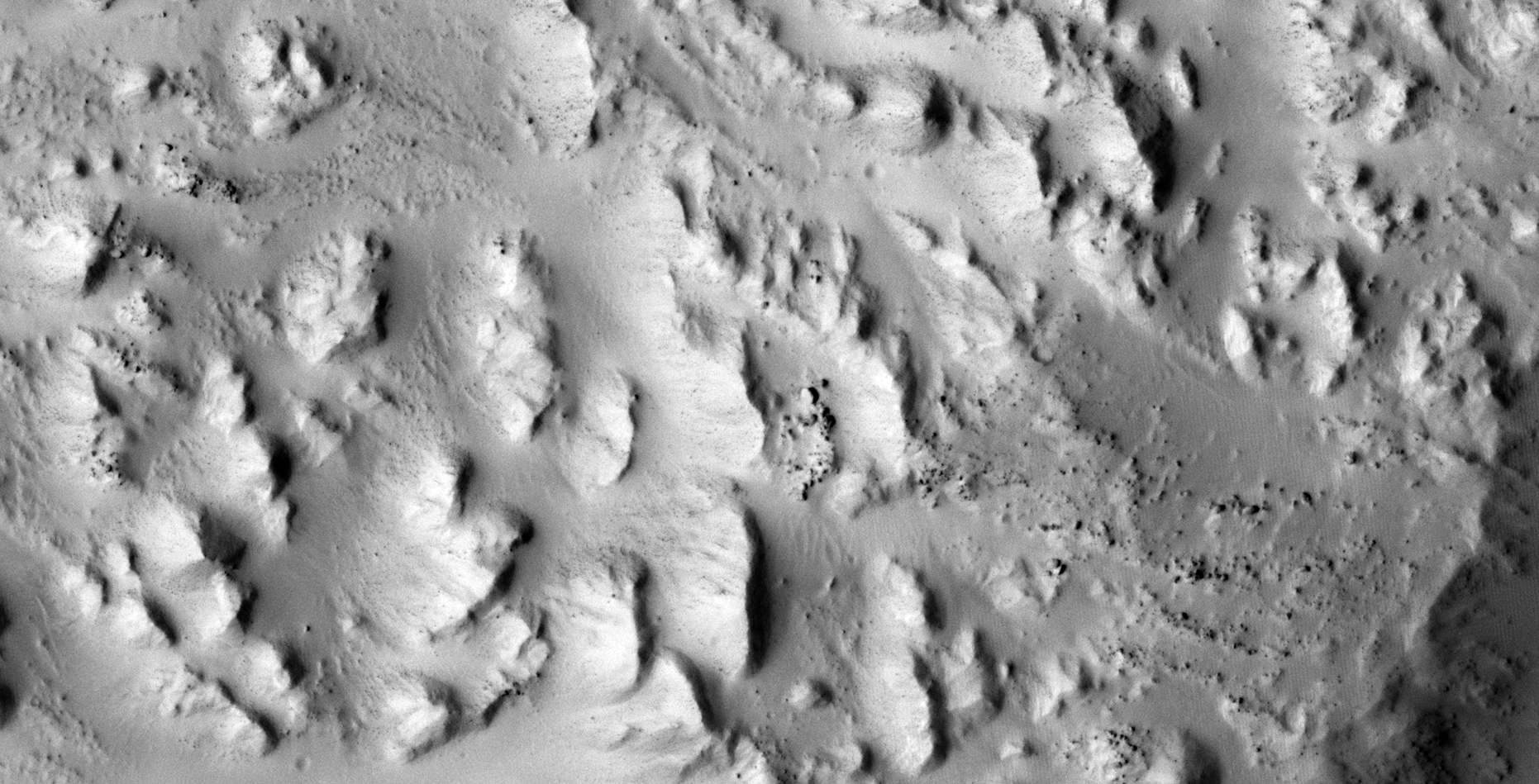
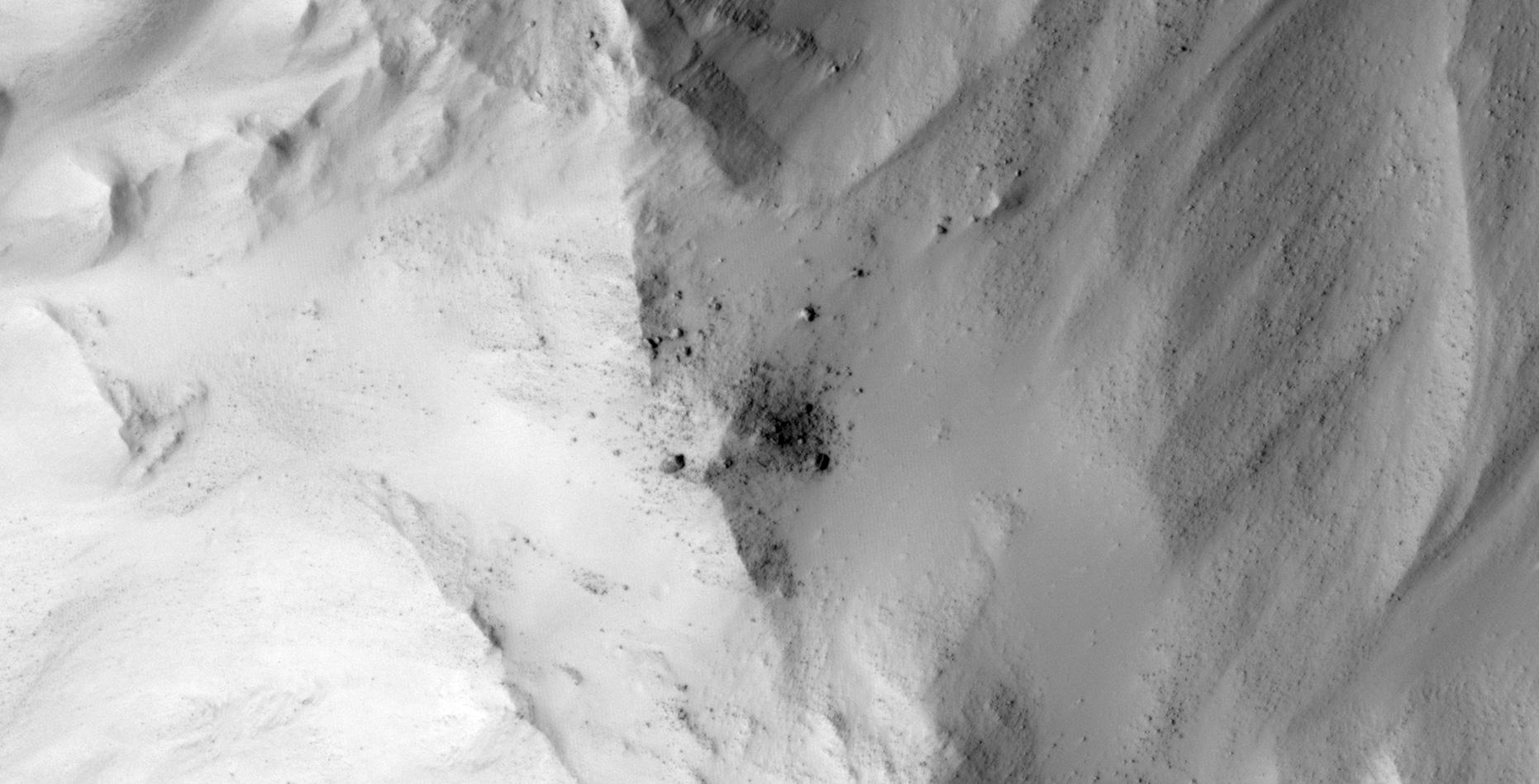
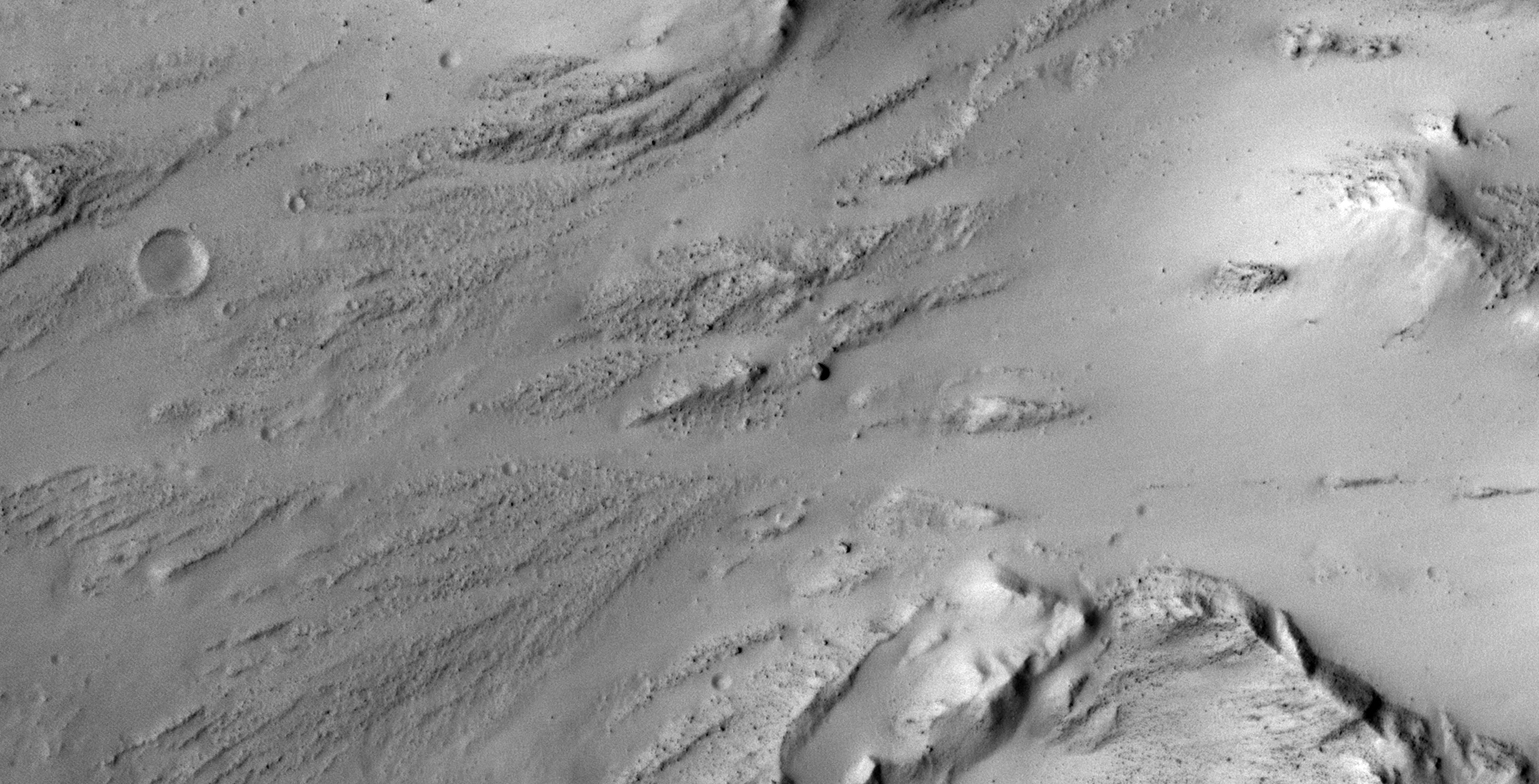
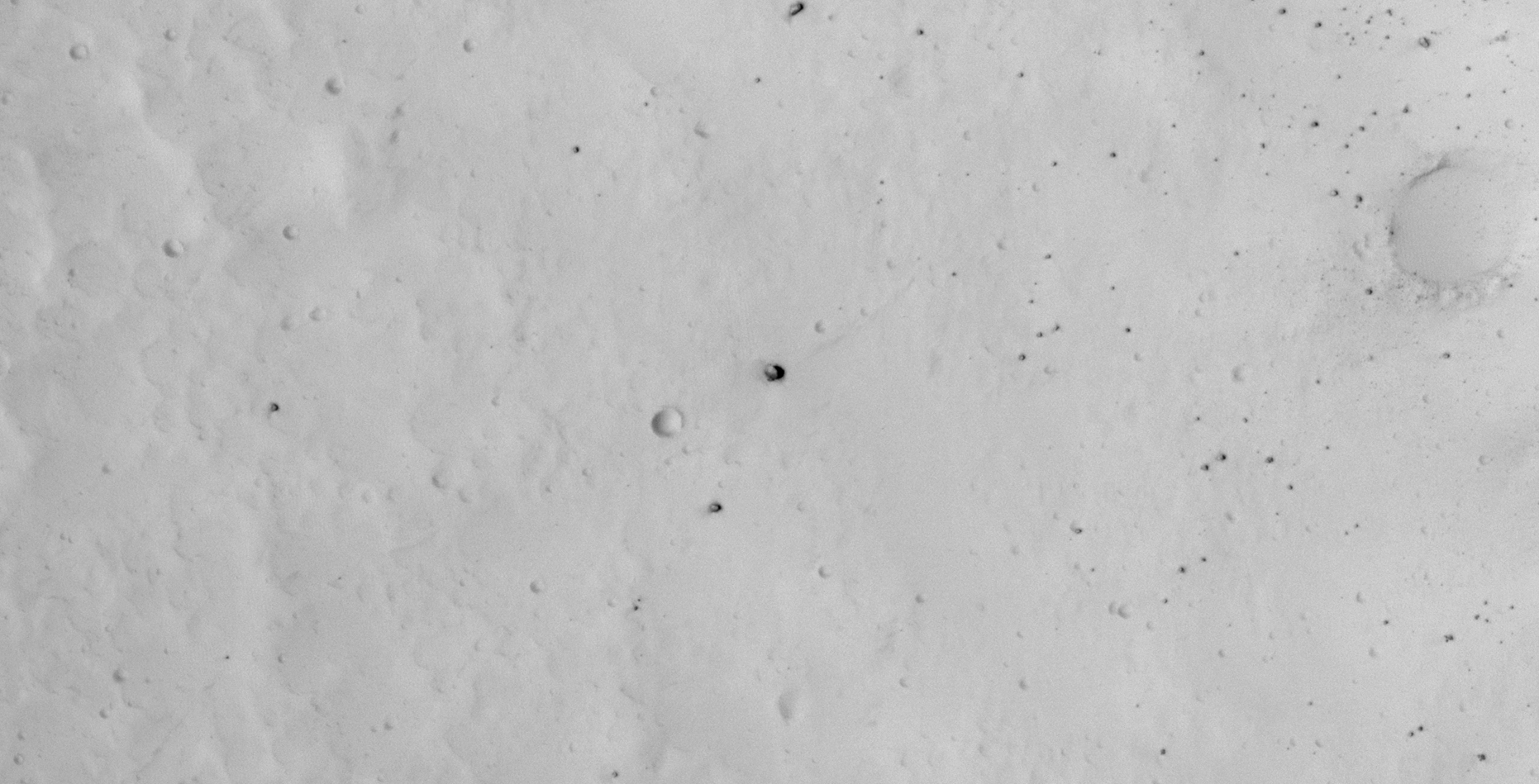
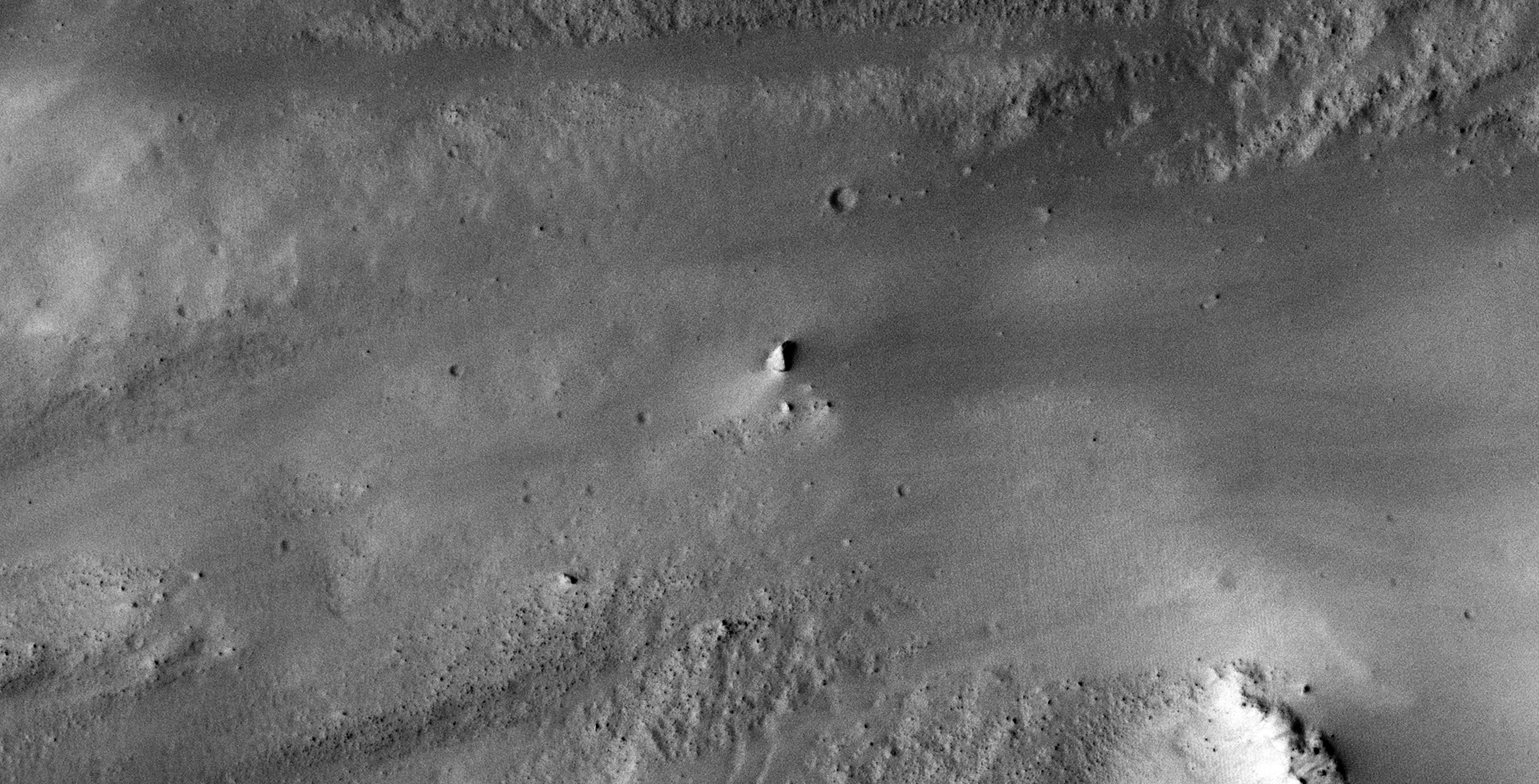
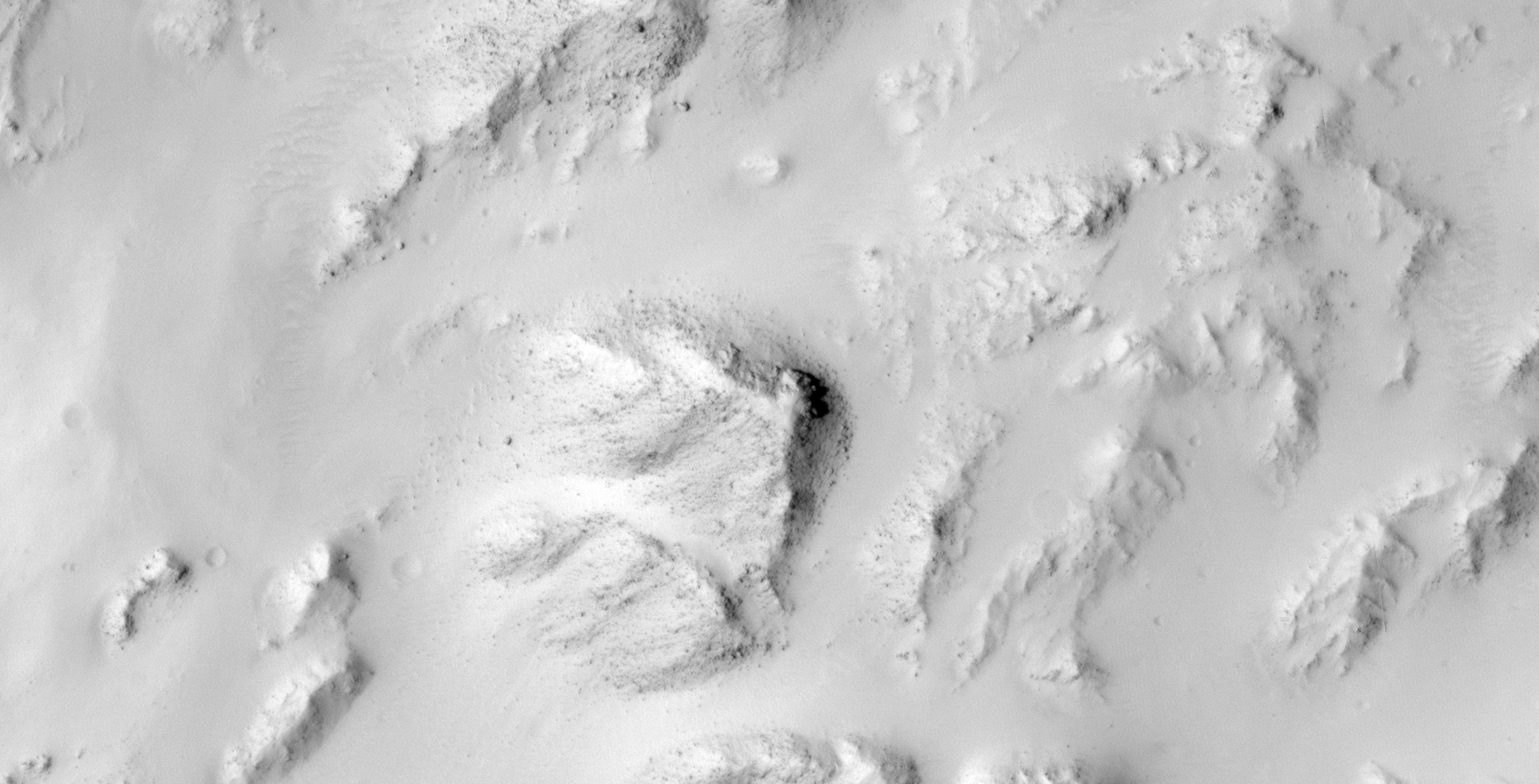
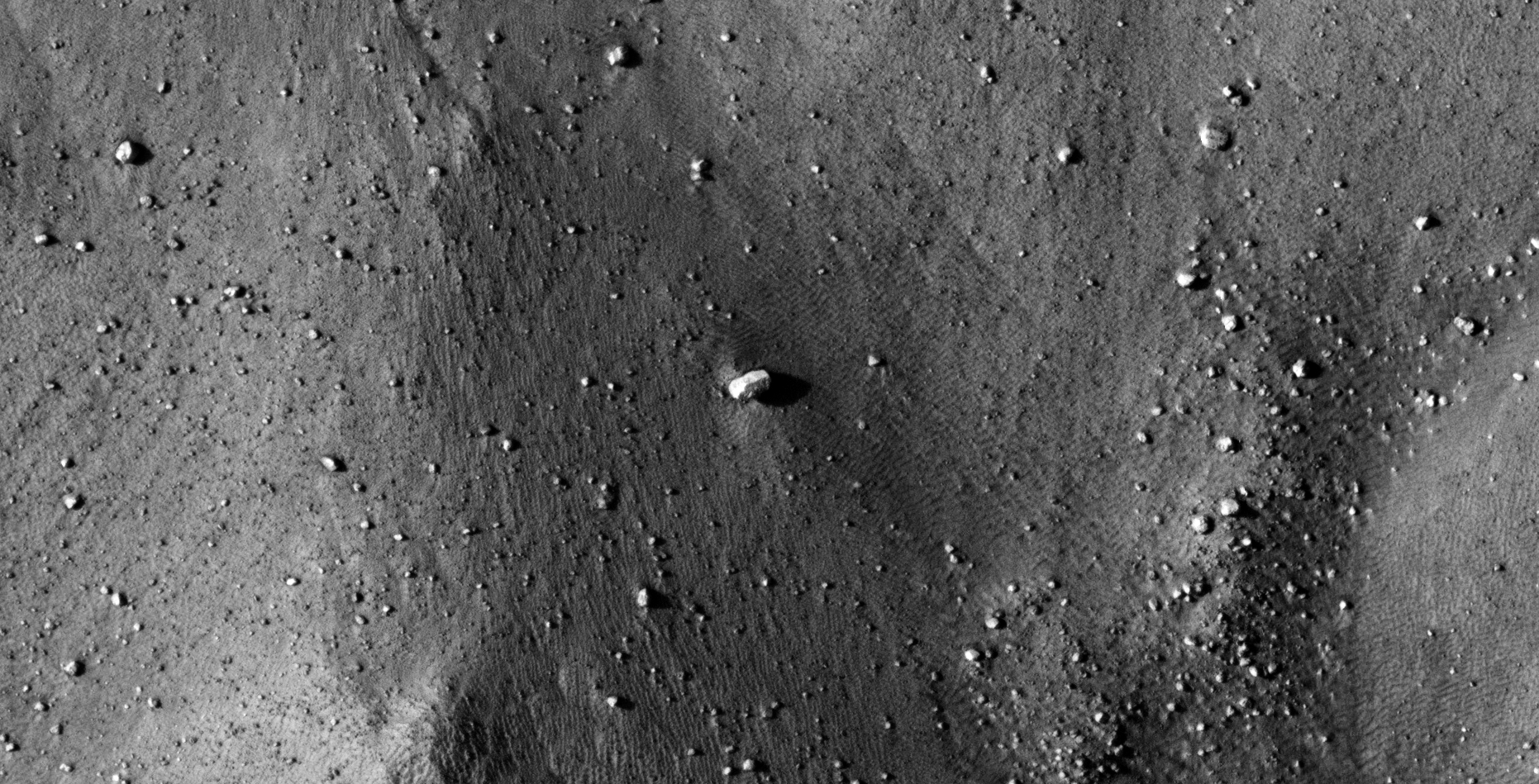
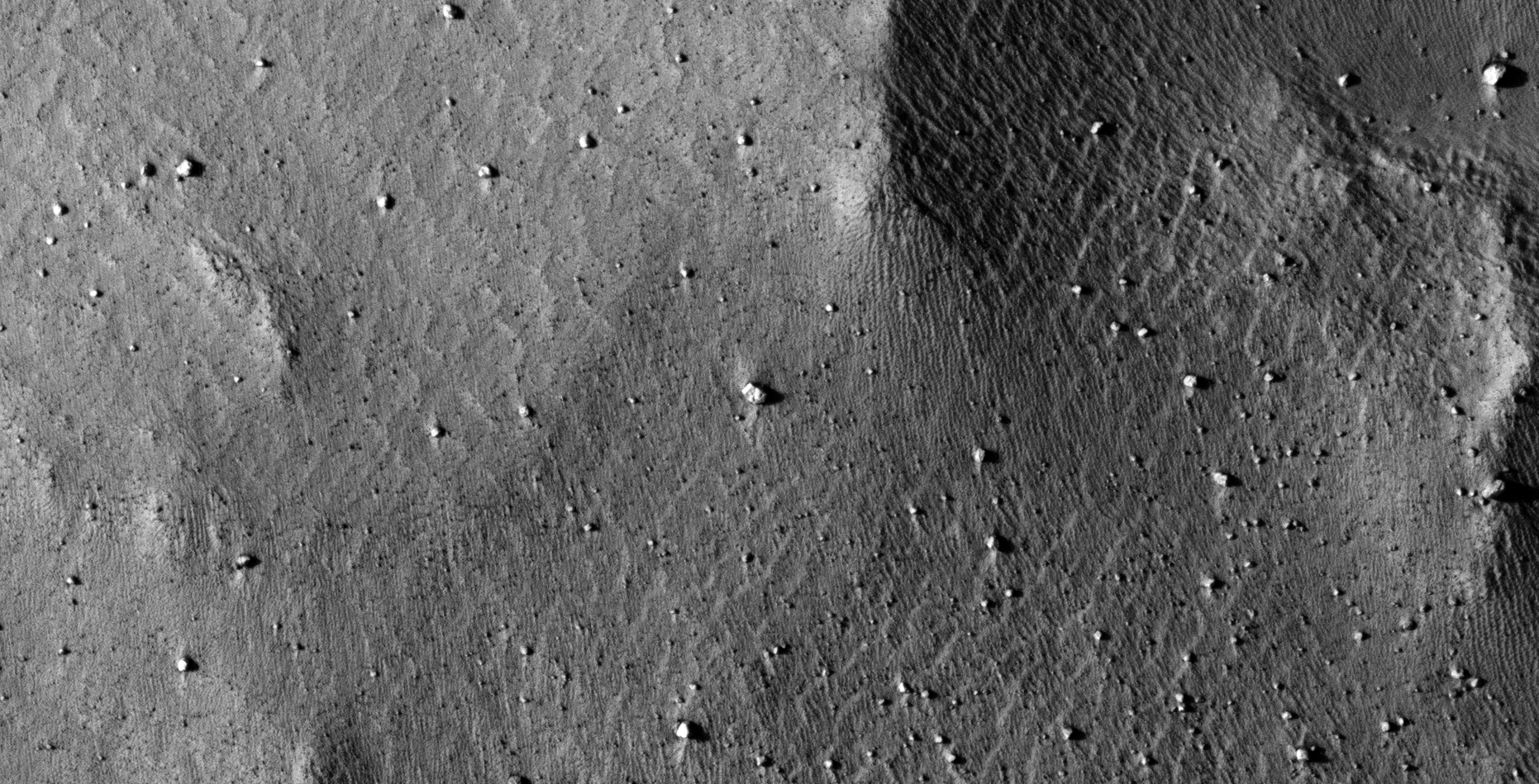
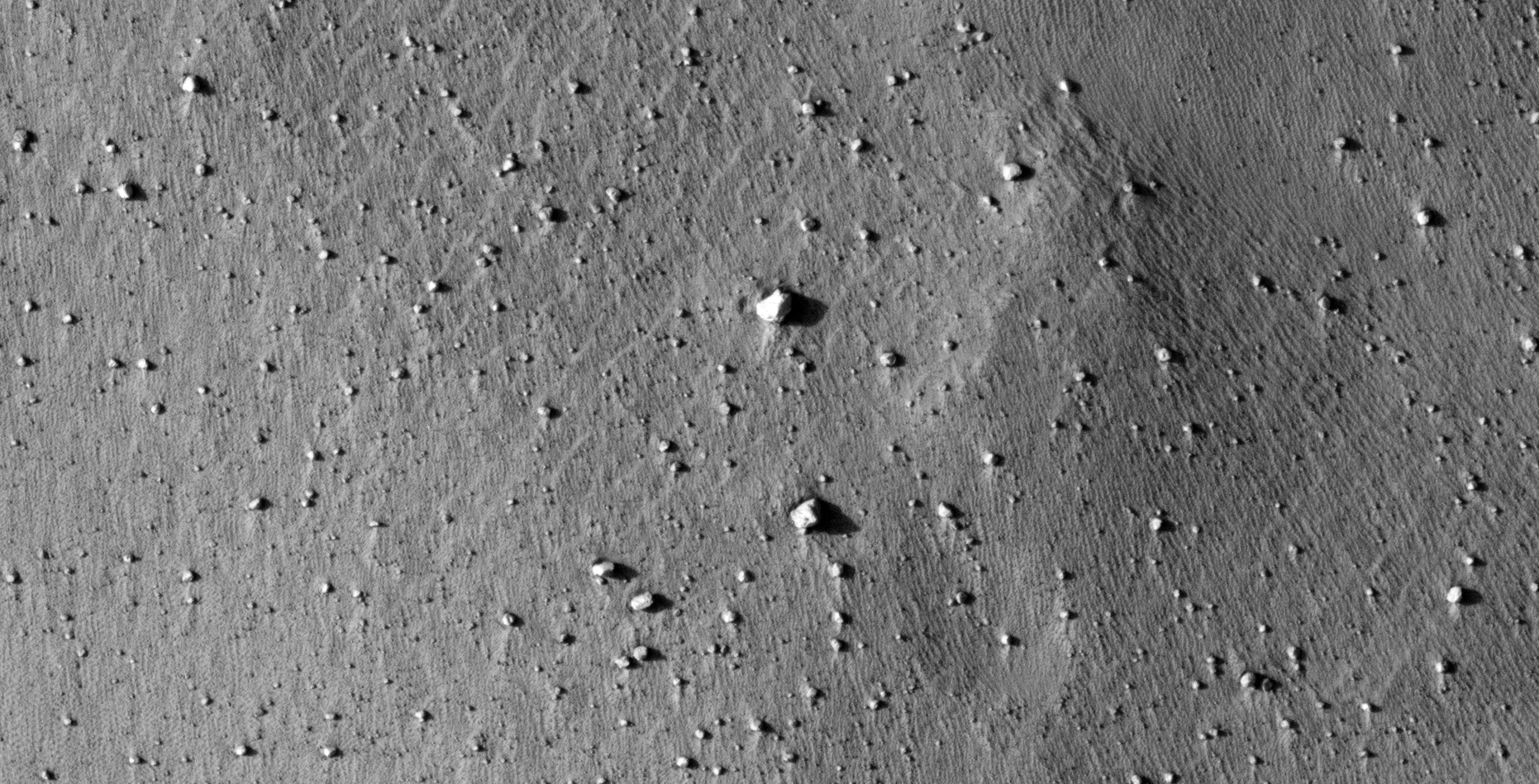
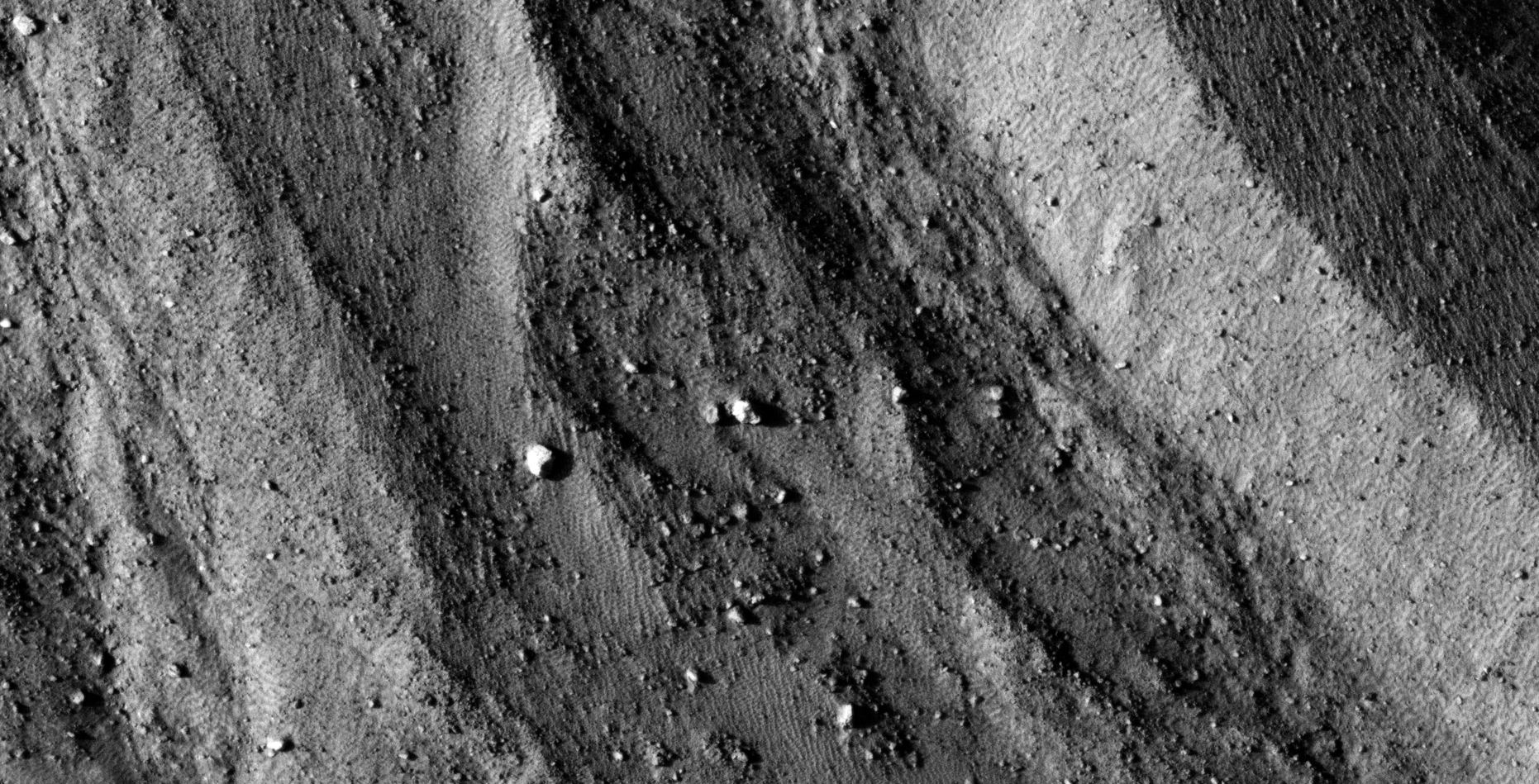
This is a collaborative work between Saturn Ark and RaptorZone in which more anomalies and artefacts are presented.
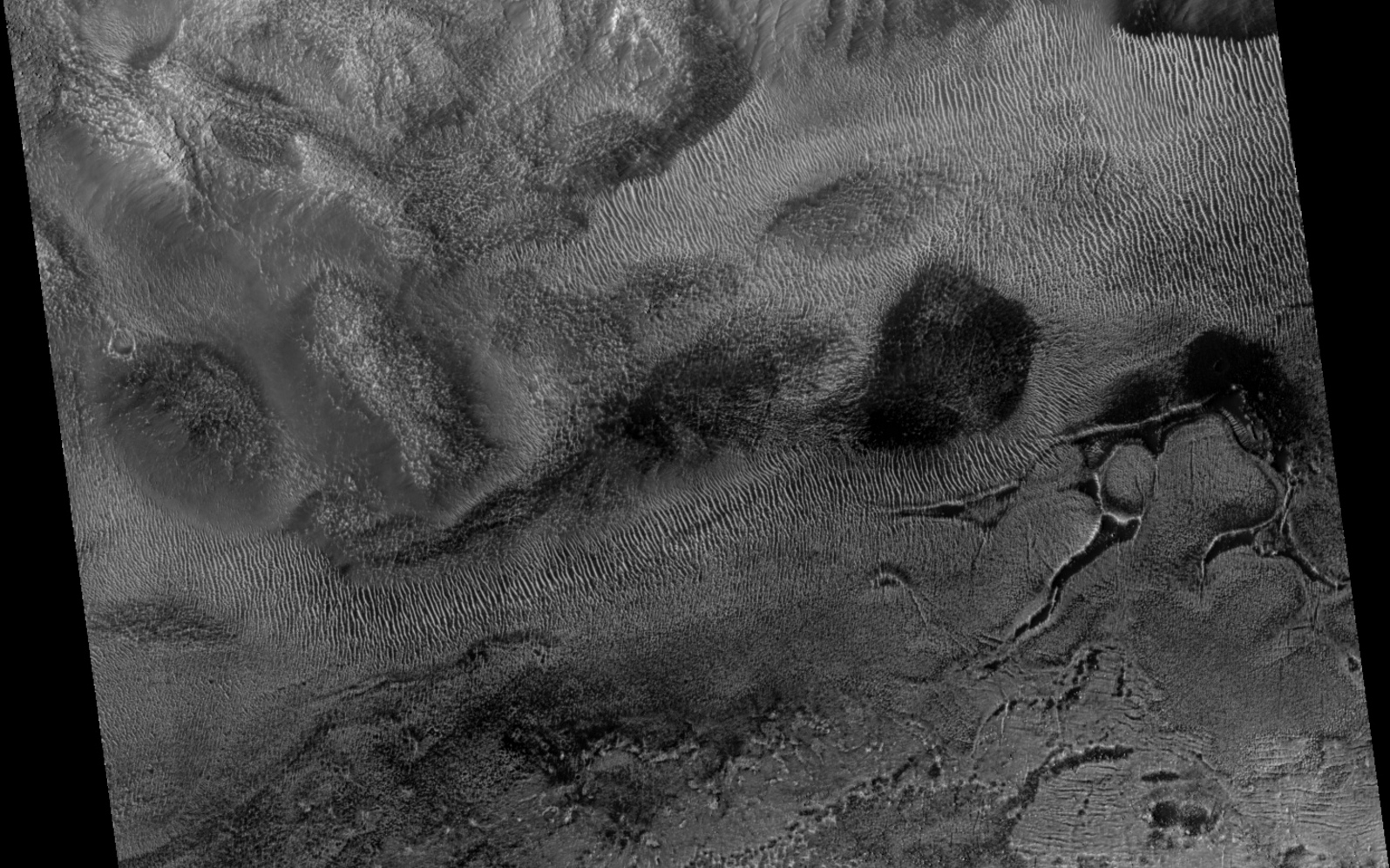
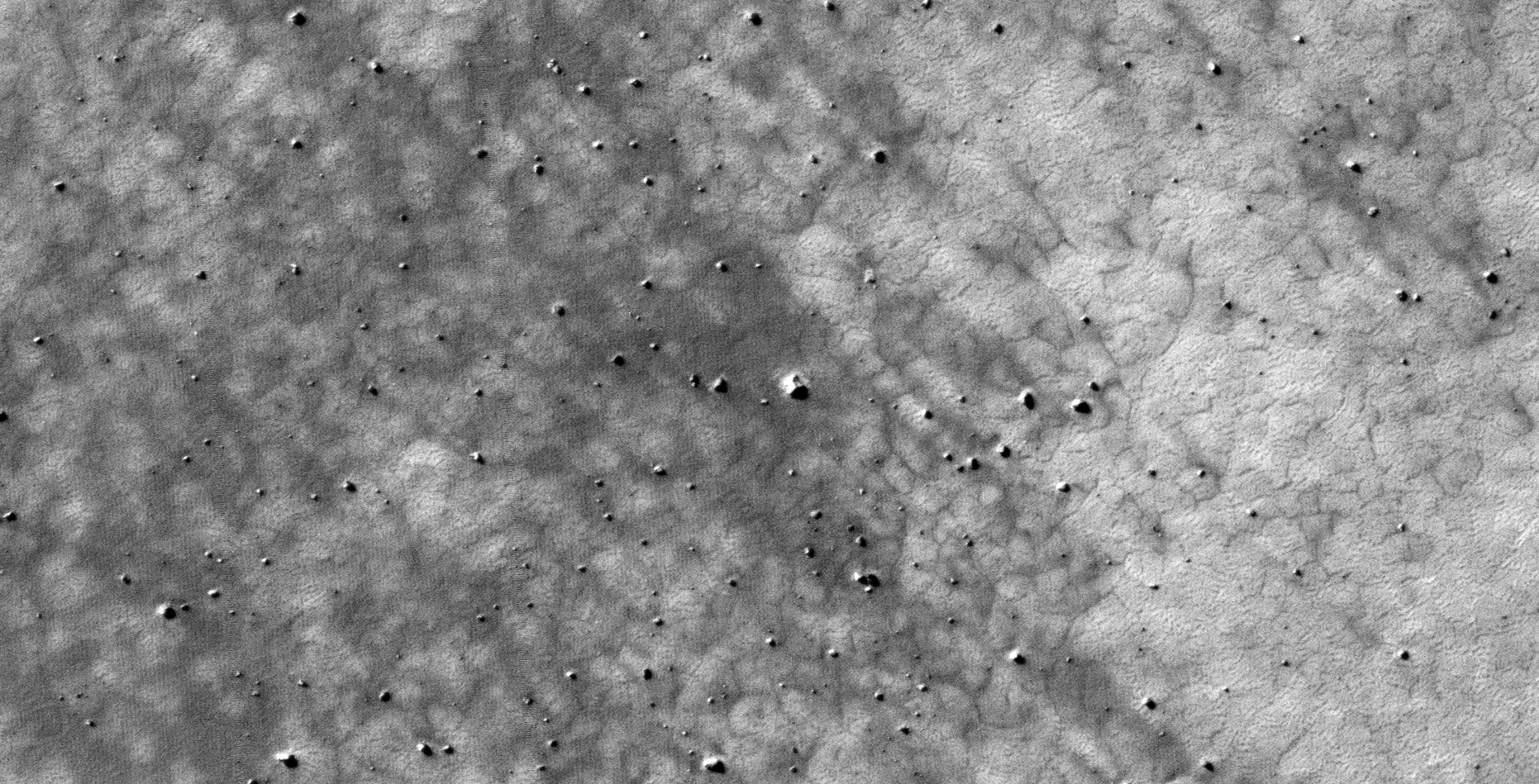
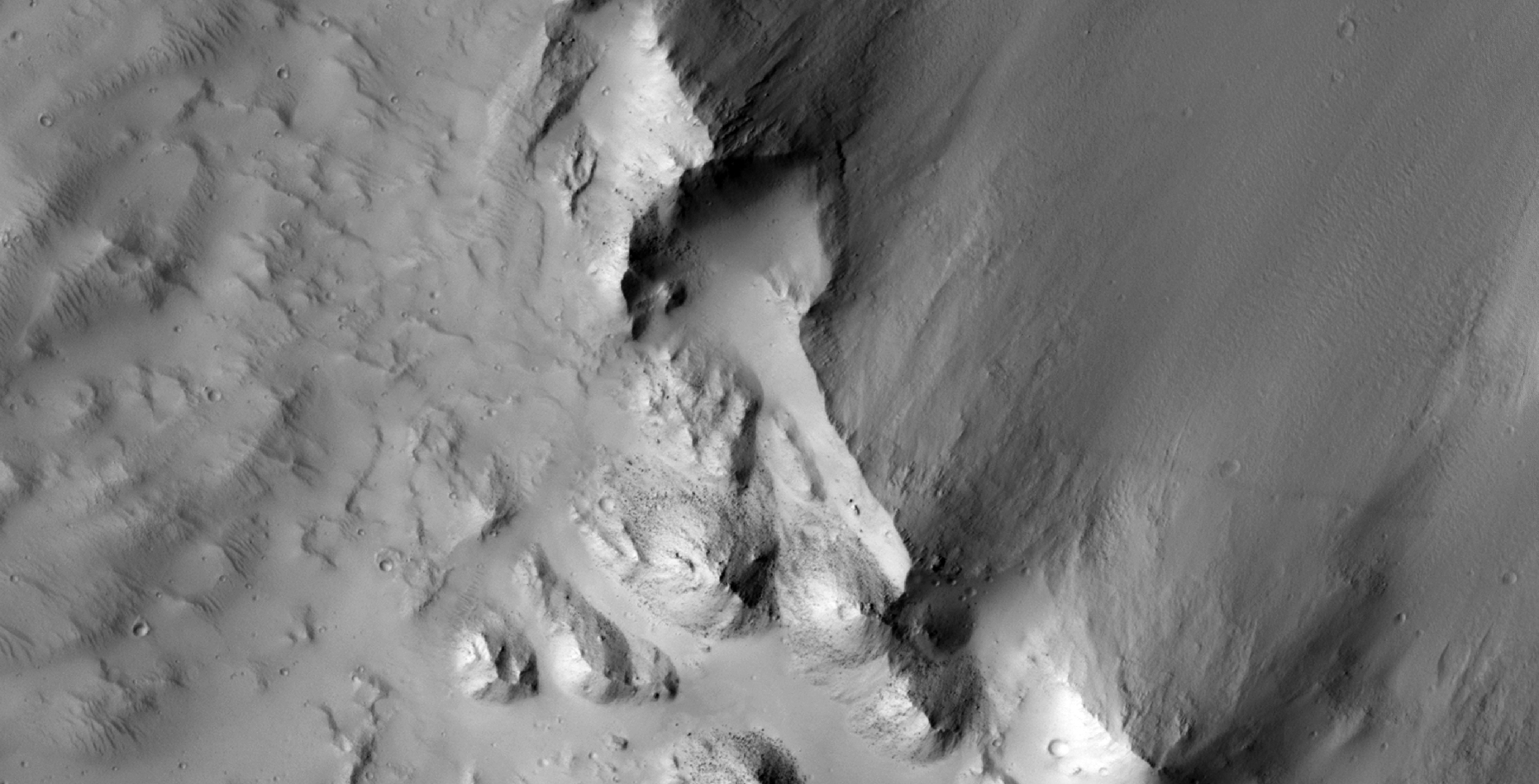
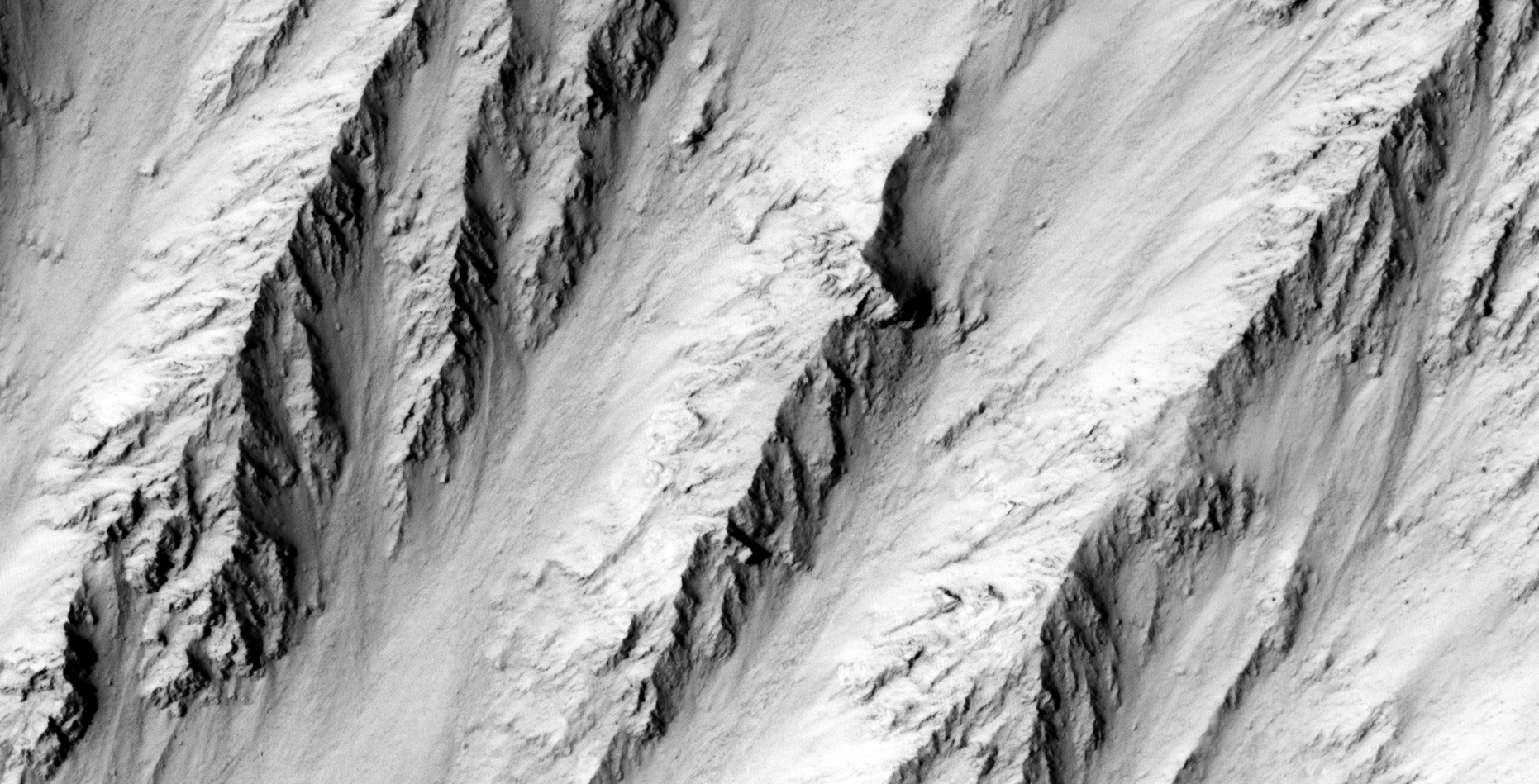
This photograph (PSP_008198_1425) was taken by NASA’s Mars Reconnaissance Orbiter (MRO) HiRISE Camera on 26 April 2008.
NASA describes this photograph as “Gullies in Gorgonum Chaos Mesas”
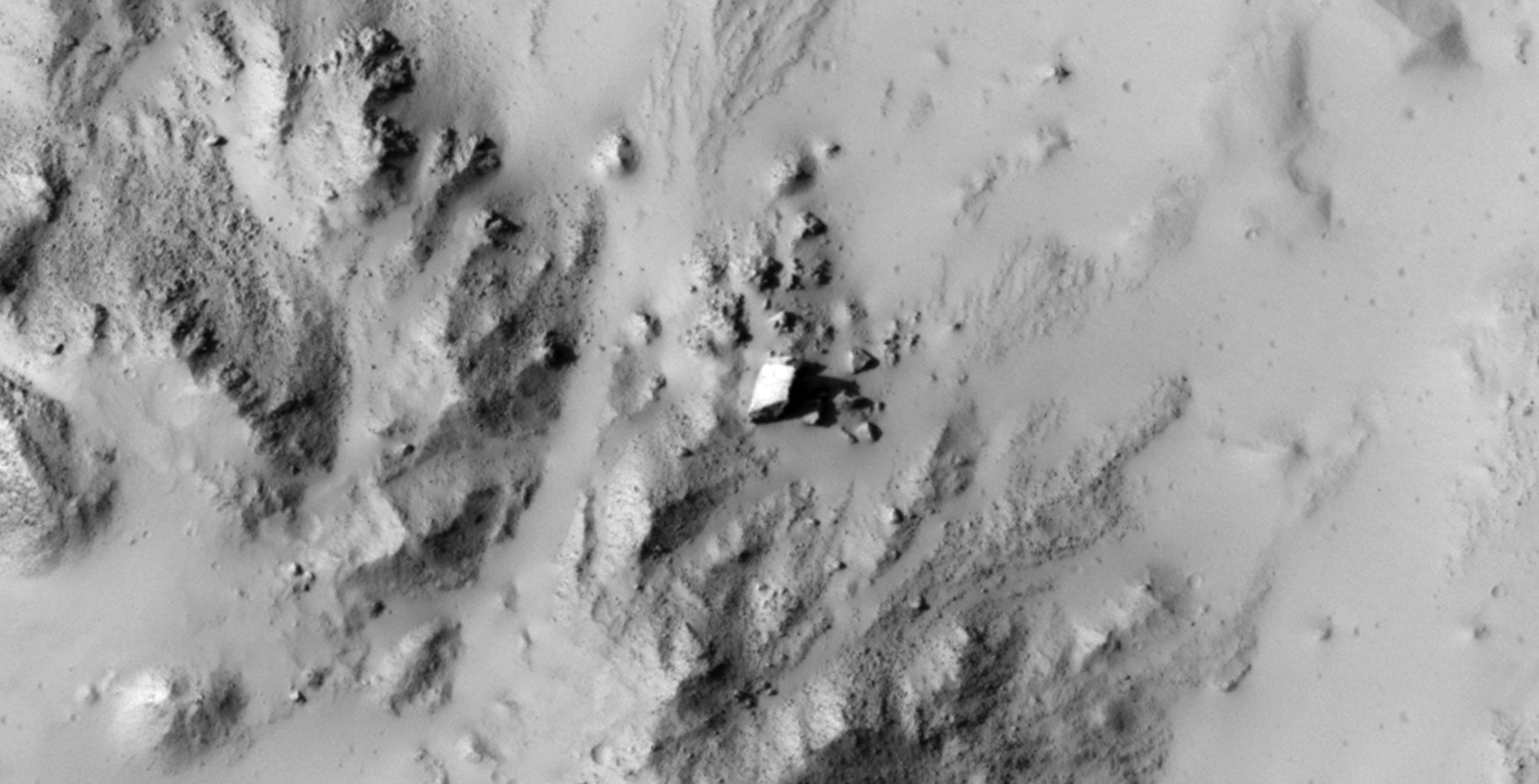
Discovered are what look like similar walls/structures built using large blocks as those found in Asimov Crater as well as multiple craft/machine/tech looking anomalies.
Pure speculation as always, these anomalies look like something unnatural and are not specifically something unnatural.
— (click for larger image)— (click for larger image)— (click for larger image)— (click for larger image)— (click for larger image)— (click for larger image)— (click for larger image)— (click for larger image)— (click for larger image)— (click for larger image)— (click for larger image)— (click for larger image)— (click for larger image)— (click for larger image)— (click for larger image)— (click for larger image)— (click for larger image)— (click for larger image)— (click for larger image)— (click for larger image)— (click for larger image)— (click for larger image)— (click for larger image)— (click for larger image)— (click for larger image)— (click for larger image)— (click for larger image)— (click for larger image)— (click for larger image)— (click for larger image)— (click for larger image)— (click for larger image)— (click for larger image)— (click for larger image)— (click for larger image)— (click for larger image)— (click for larger image)— (click for larger image)— (click for larger image)— (click for larger image)— (click for larger image)— (click for larger image)— (click for larger image)— (click for larger image)— (click for larger image)— (click for larger image)— (click for larger image)— (click for larger image)
I downloaded the HiRise black and white map-projected image to view these anomalies.
This is a collaborative work between Saturn Ark and RaptorZone in which more anomalies and artefacts are presented.
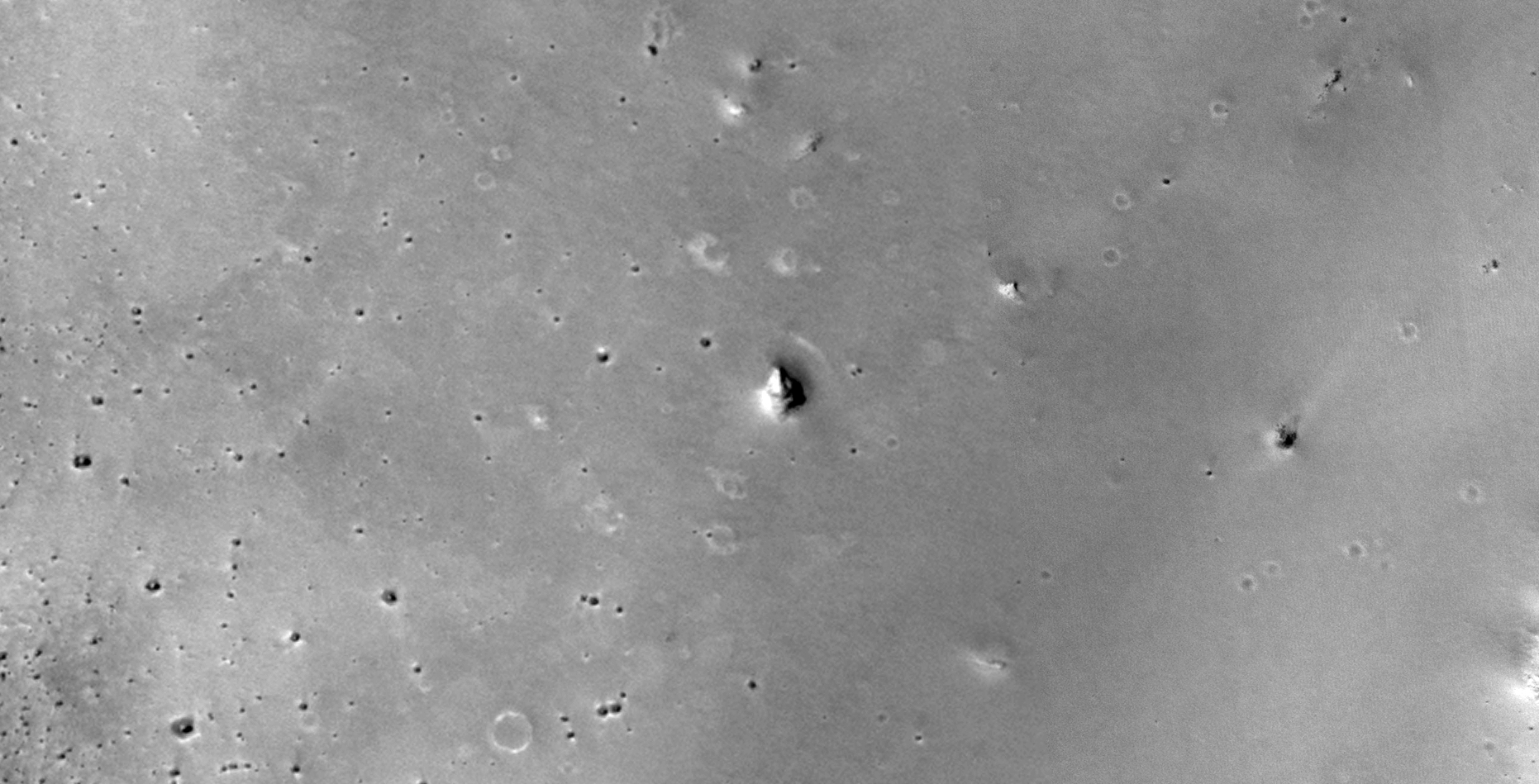
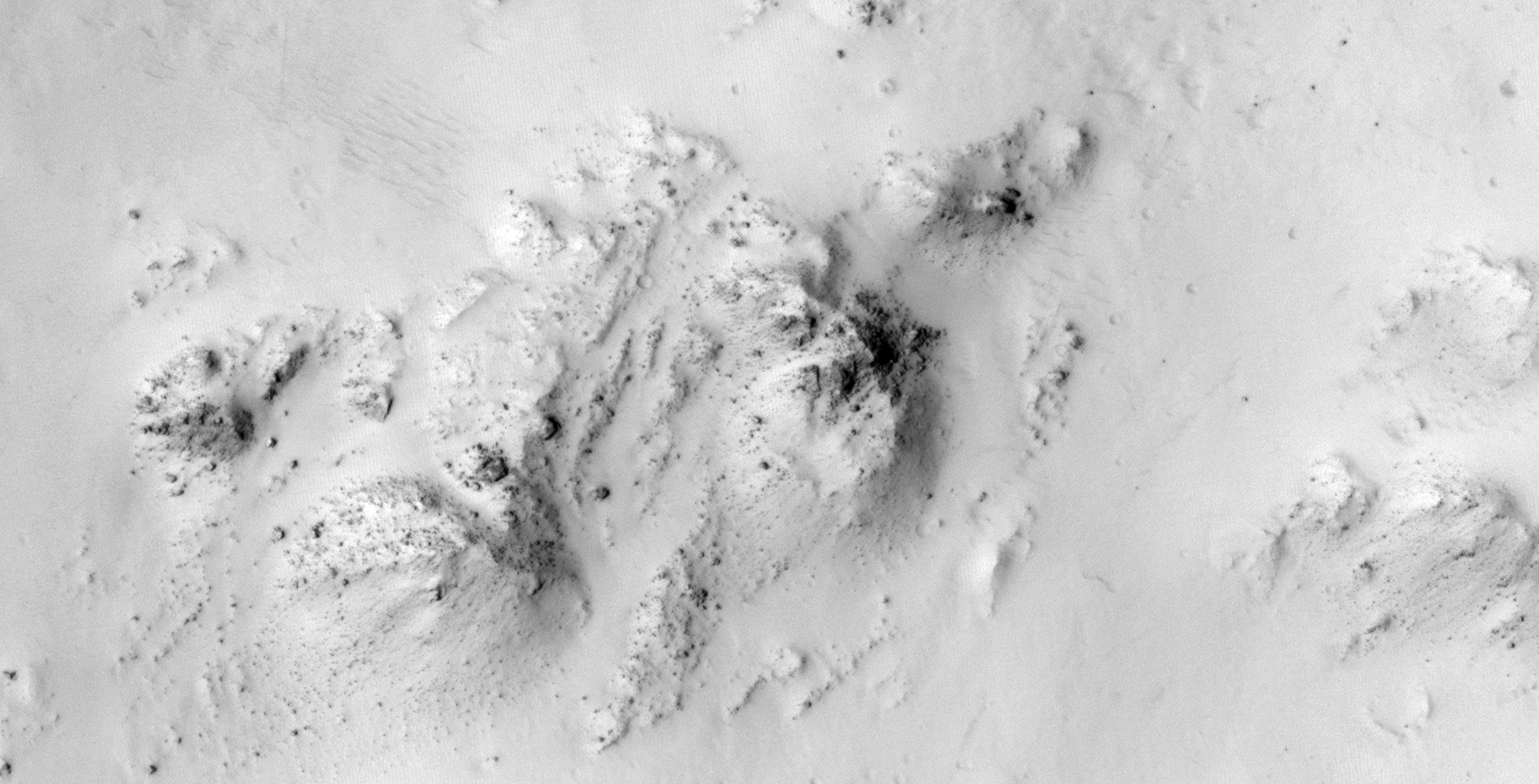
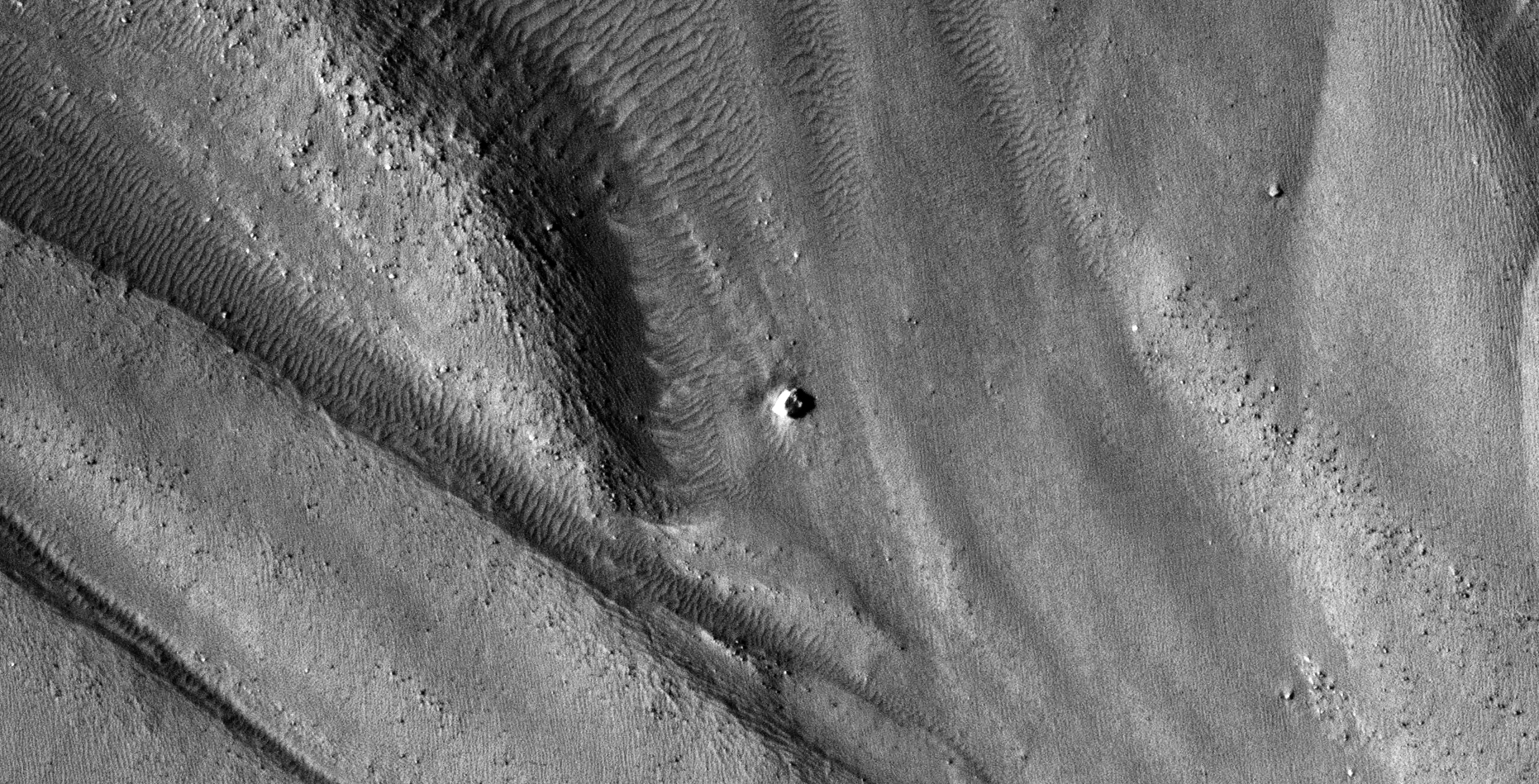
This photograph (PSP_009161_1450) was taken by NASA’s Mars Reconnaissance Orbiter (MRO) HiRISE Camera on 10 July 2008.
NASA describes this photograph as “Long Shadows at Ariadnes Colles.”
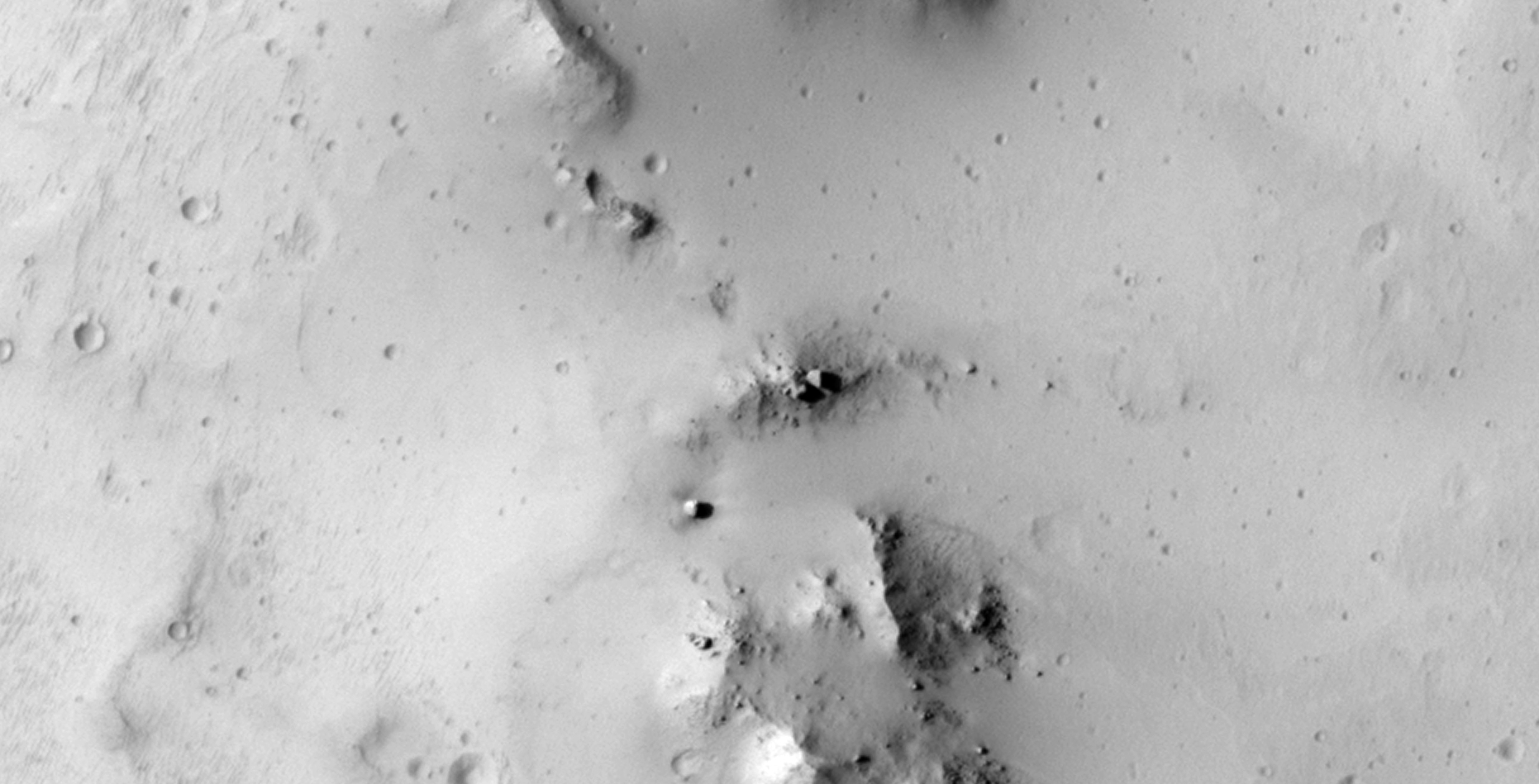
Discovered is what appears to be a small sphere or dome-shaped object approximately 15 metres in diameter as well as what look like pyramidal structures, pipes, grid-like structures, walls, open-pit mining quarries, underground entrance-ways and wreckage.
Pure speculation as always, these anomalies look like something unnatural and are not specifically something unnatural.
— (click for larger image)— (click for larger image)— (click for larger image)— (click for larger image)— (click for larger image)— (click for larger image)— (click for larger image)— (click for larger image)— (click for larger image)— (click for larger image)— (click for larger image)— (click for larger image)— (click for larger image)— (click for larger image)— (click for larger image)— (click for larger image)— (click for larger image)
I downloaded the HiRise black and white map-projected image to view these anomalies.
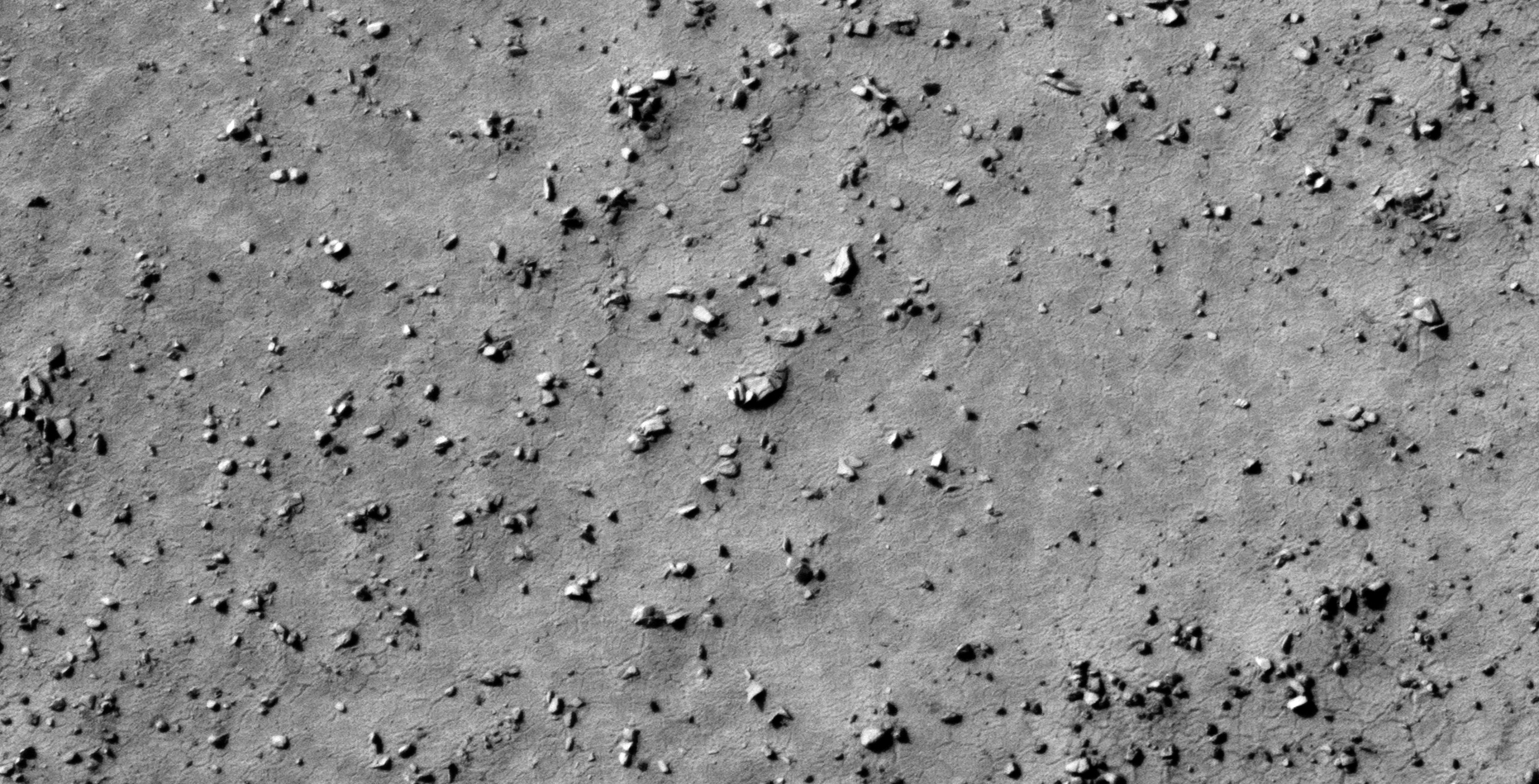
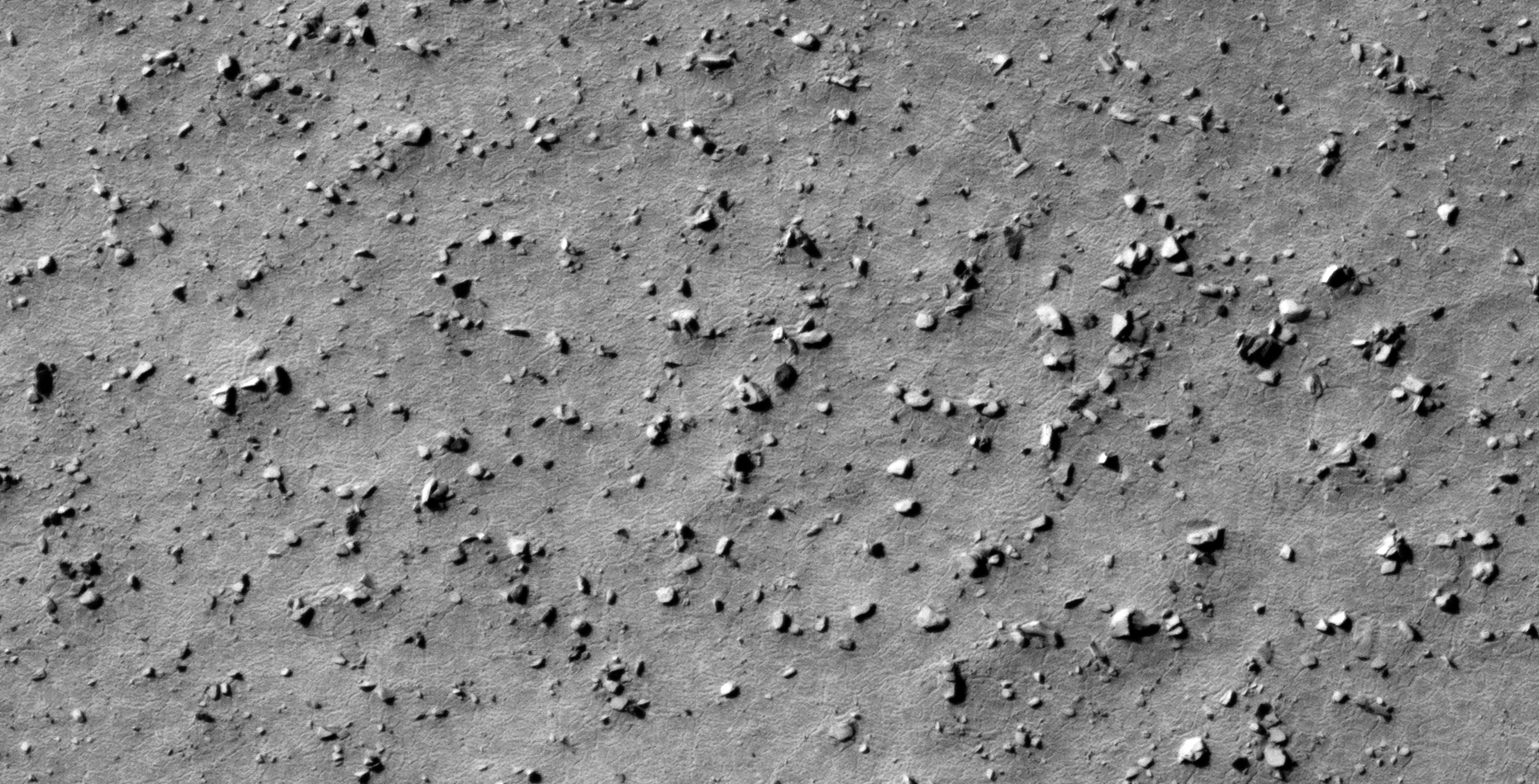
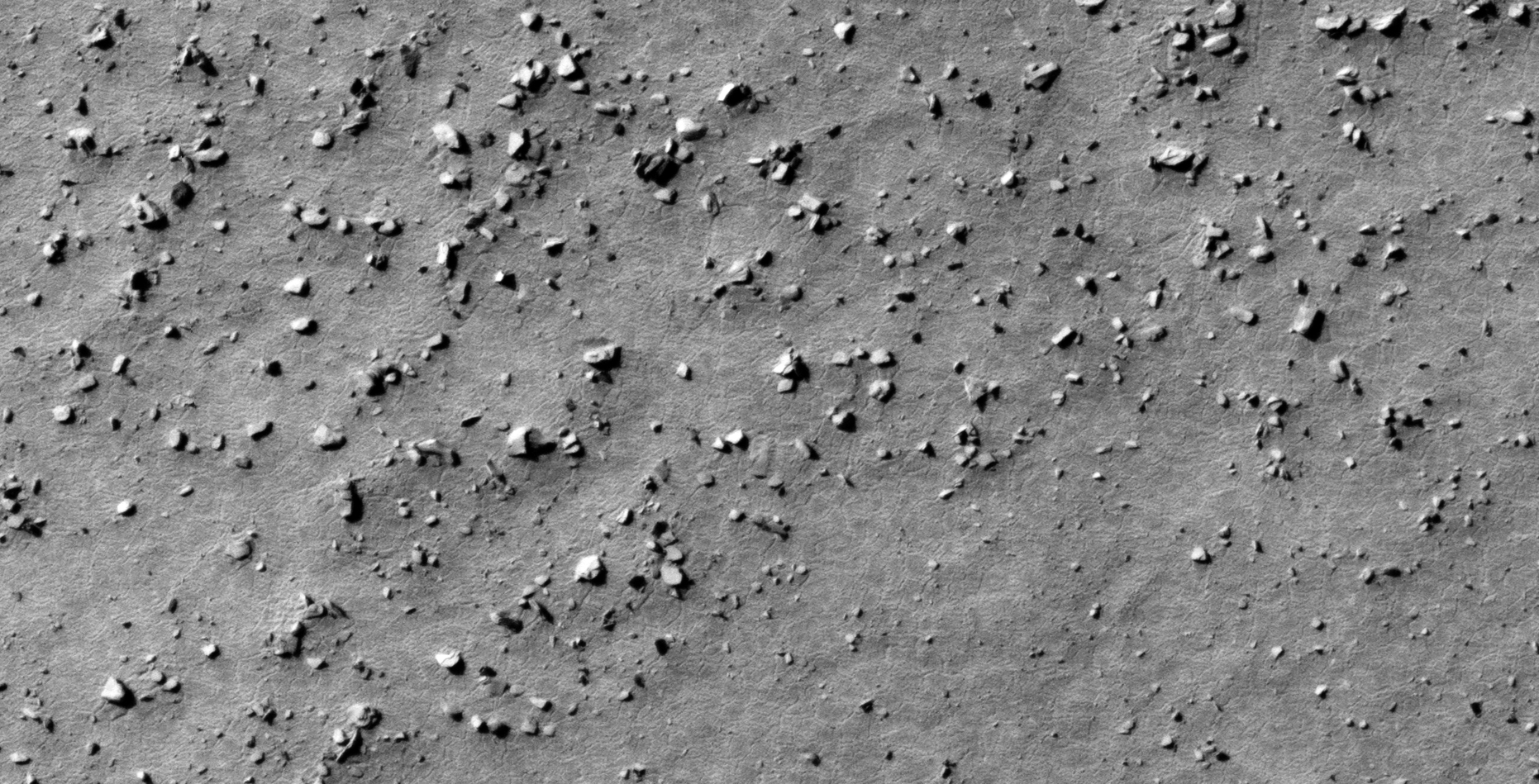
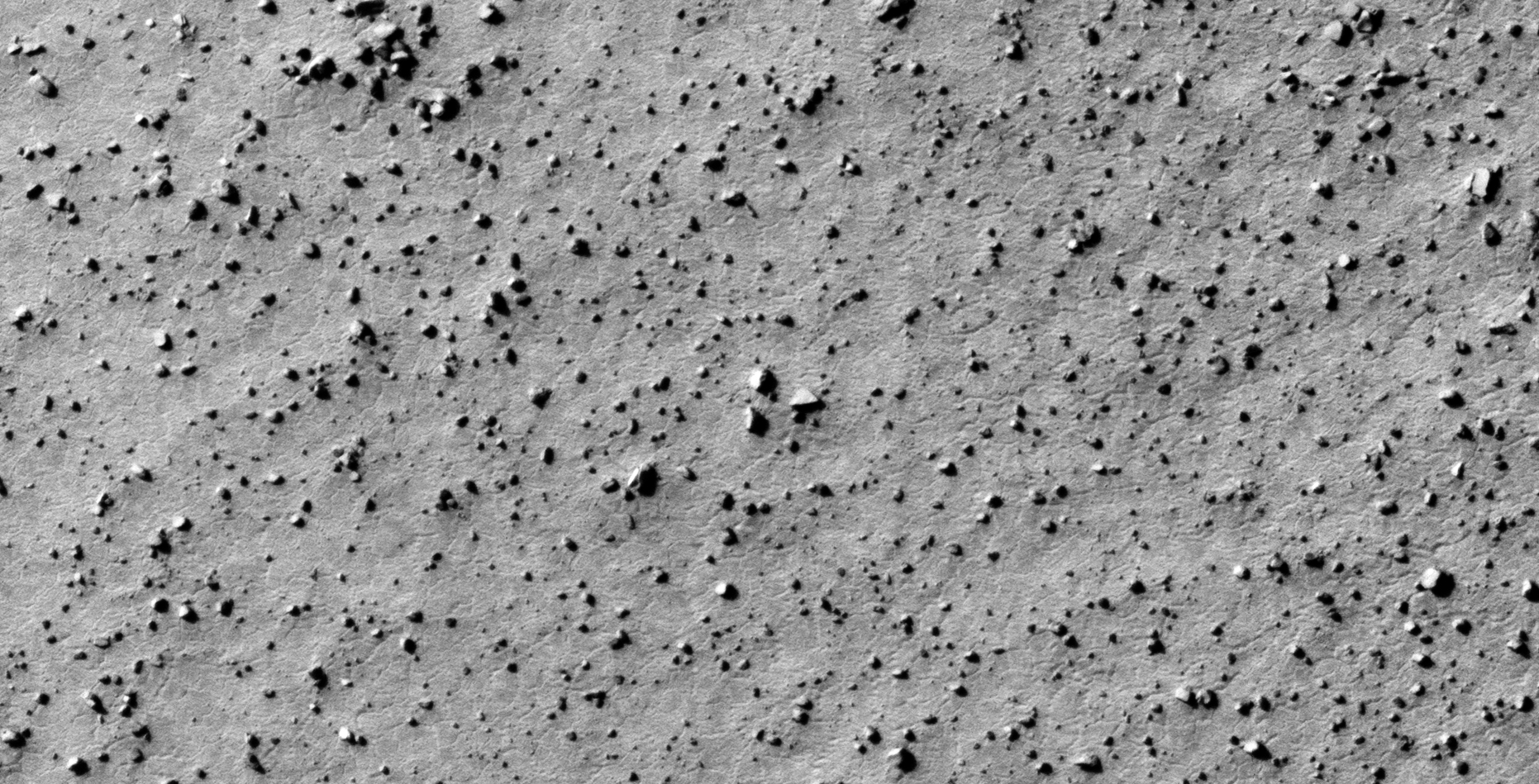
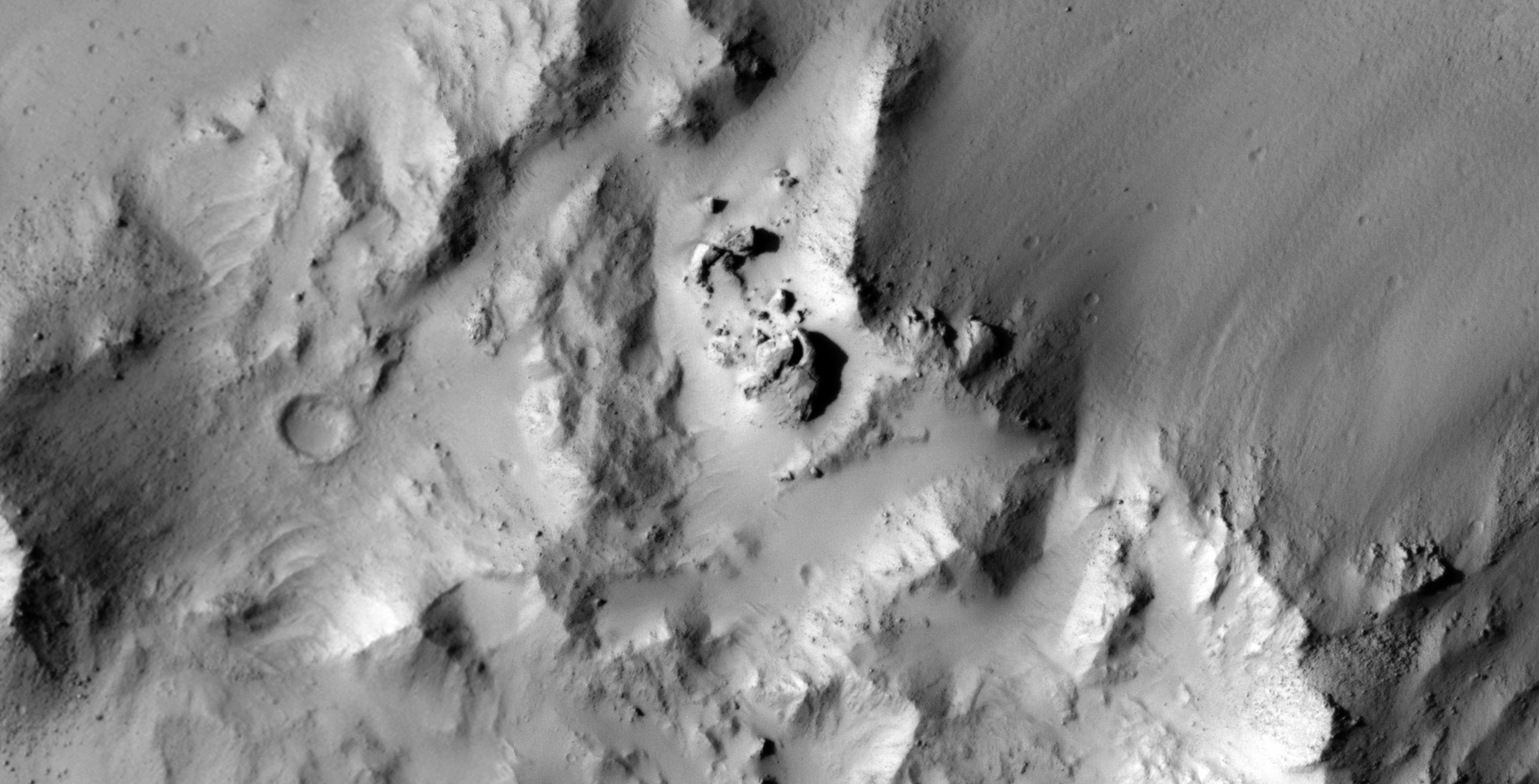
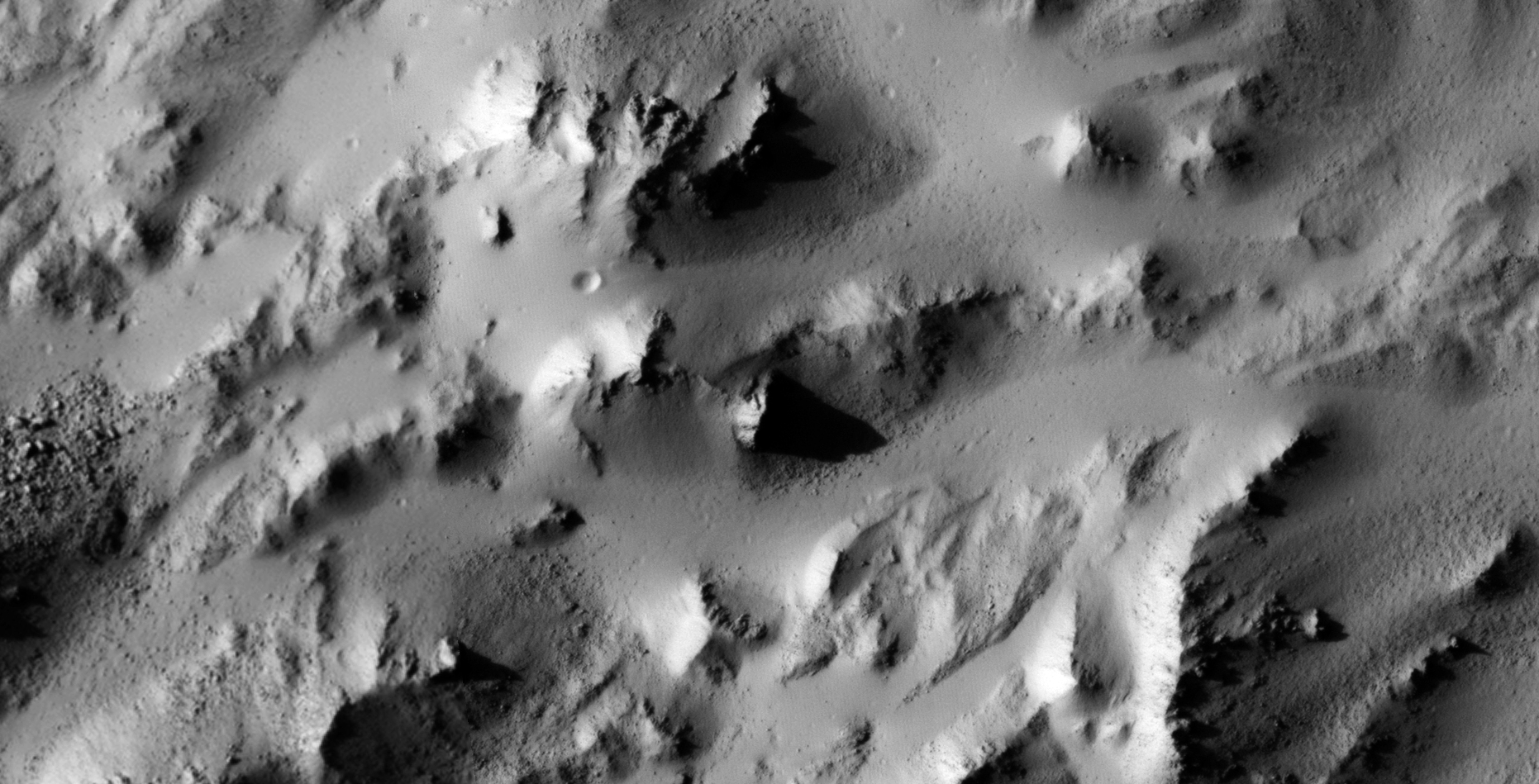
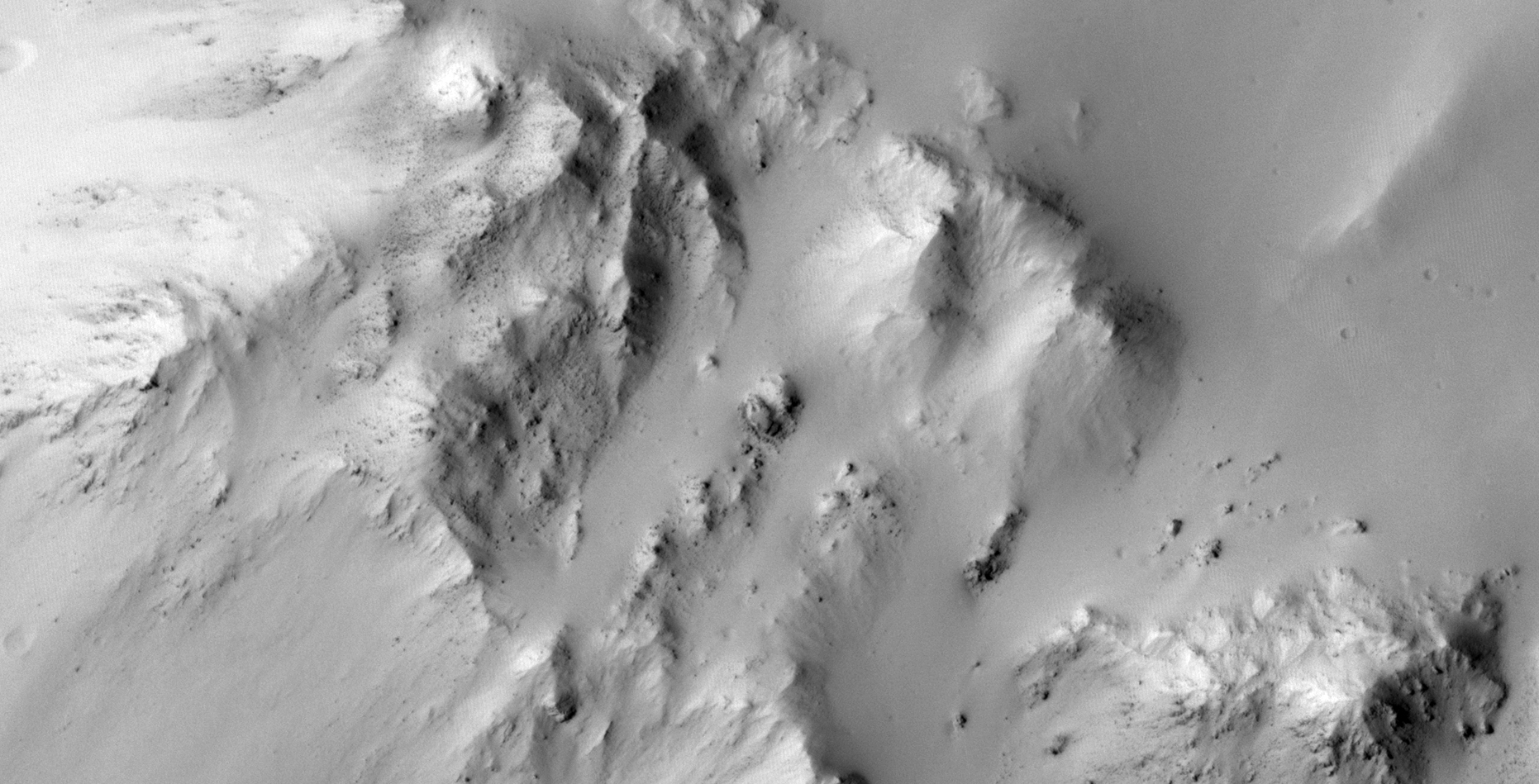
This photograph (ESP_035036_2225) was taken by NASA’s Mars Reconnaissance Orbiter (MRO) HiRISE Camera on 16 January 2014.
NASA describes this photograph as “Central Peak Ring of Renaudot Crater.”
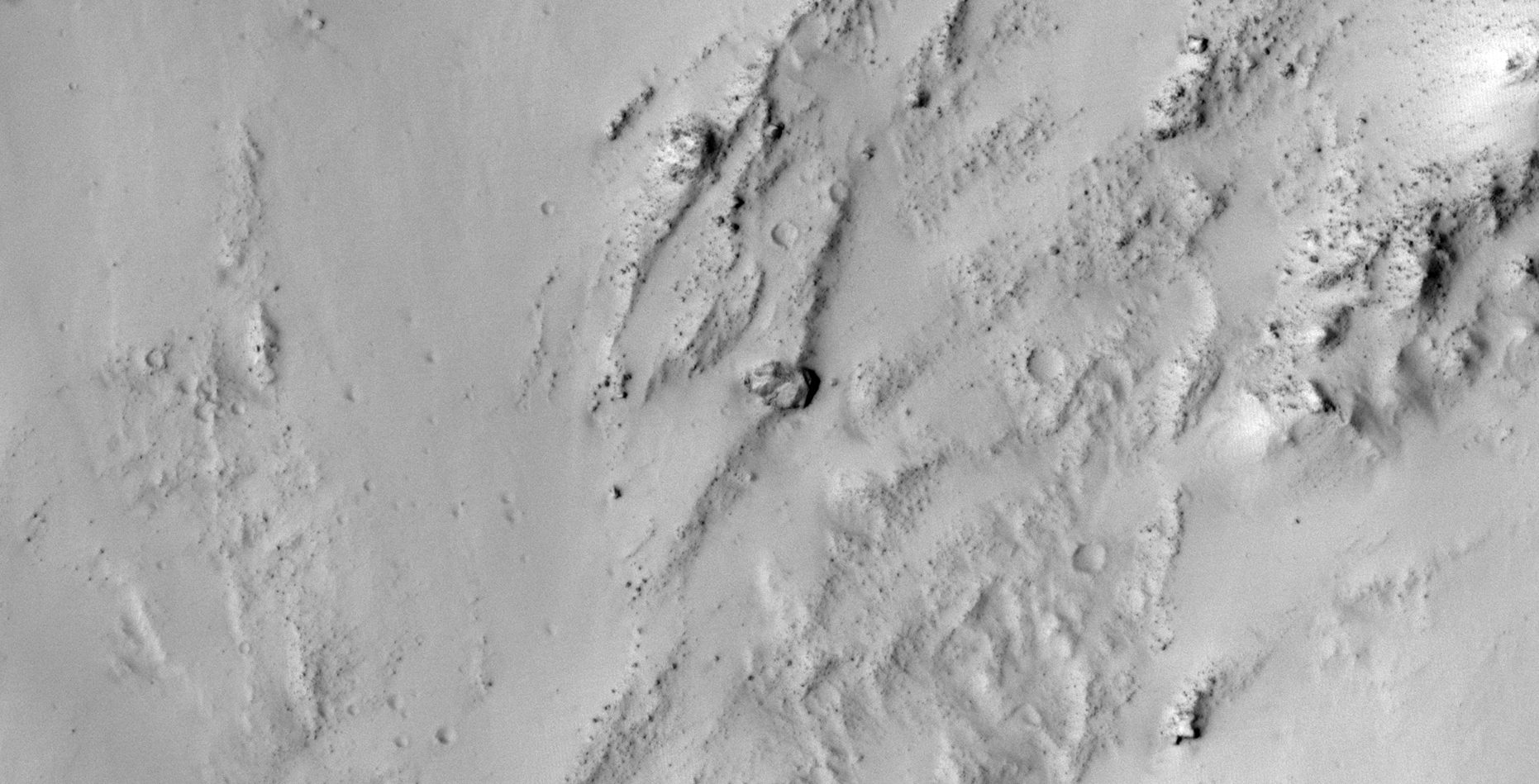
I discovered what looks like giant structures on Mars, in particular there is a large triangular structure measuring approximately 300 metres per side.
There are various other structures, including several small ‘Stonehenge-type’ structures each measuring approximately 40 metres in diameter.
Many small objects are scattered throughout this photograph. The objects, which may be artificial debris from some kind of technology, measure between 5 metres and 10 metres across.
Pure speculation as always, these anomalies look like something unnatural and are not specifically something unnatural.
— (click for larger image)— (click for larger image)— (click for larger image)— (click for larger image)— (click for larger image)— (click for larger image)— (click for larger image)— (click for larger image)— (click for larger image)— (click for larger image)— (click for larger image)— (click for larger image)— (click for larger image)— (click for larger image)— (click for larger image)— (click for larger image)— (click for larger image)— (click for larger image)— (click for larger image)— (click for larger image)— (click for larger image)— (click for larger image)— (click for larger image)— (click for larger image)— (click for larger image)— (click for larger image)— (click for larger image)— (click for larger image)— (click for larger image)— (click for larger image)— (click for larger image)— (click for larger image)— (click for larger image)— (click for larger image)— (click for larger image)— (click for larger image)— (click for larger image)— (click for larger image)— (click for larger image)— (click for larger image)— (click for larger image)— (click for larger image)— (click for larger image)— (click for larger image)— (click for larger image)— (click for larger image)— (click for larger image)— (click for larger image)— (click for larger image)— (click for larger image)— (click for larger image)— (click for larger image)— (click for larger image)— (click for larger image)
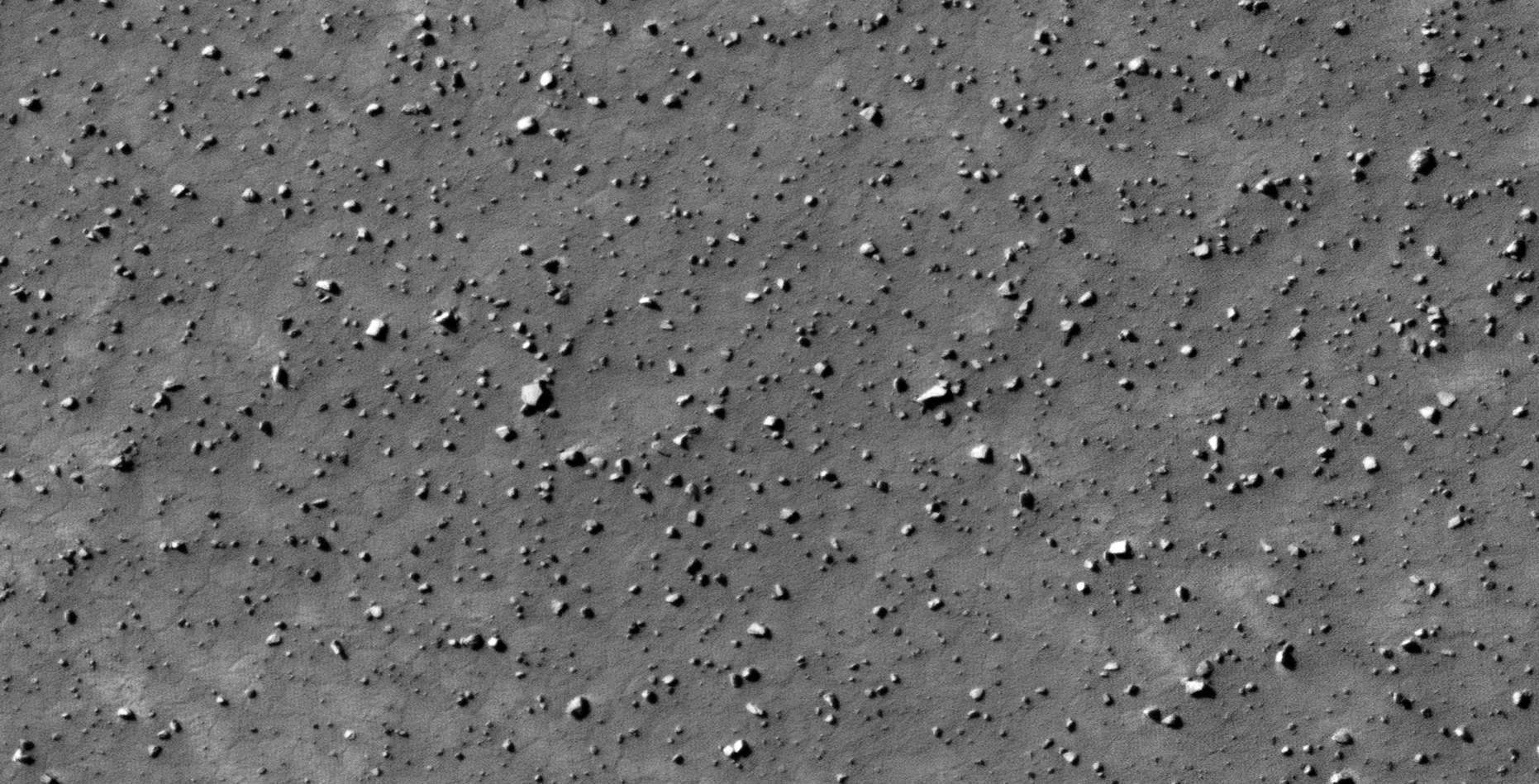
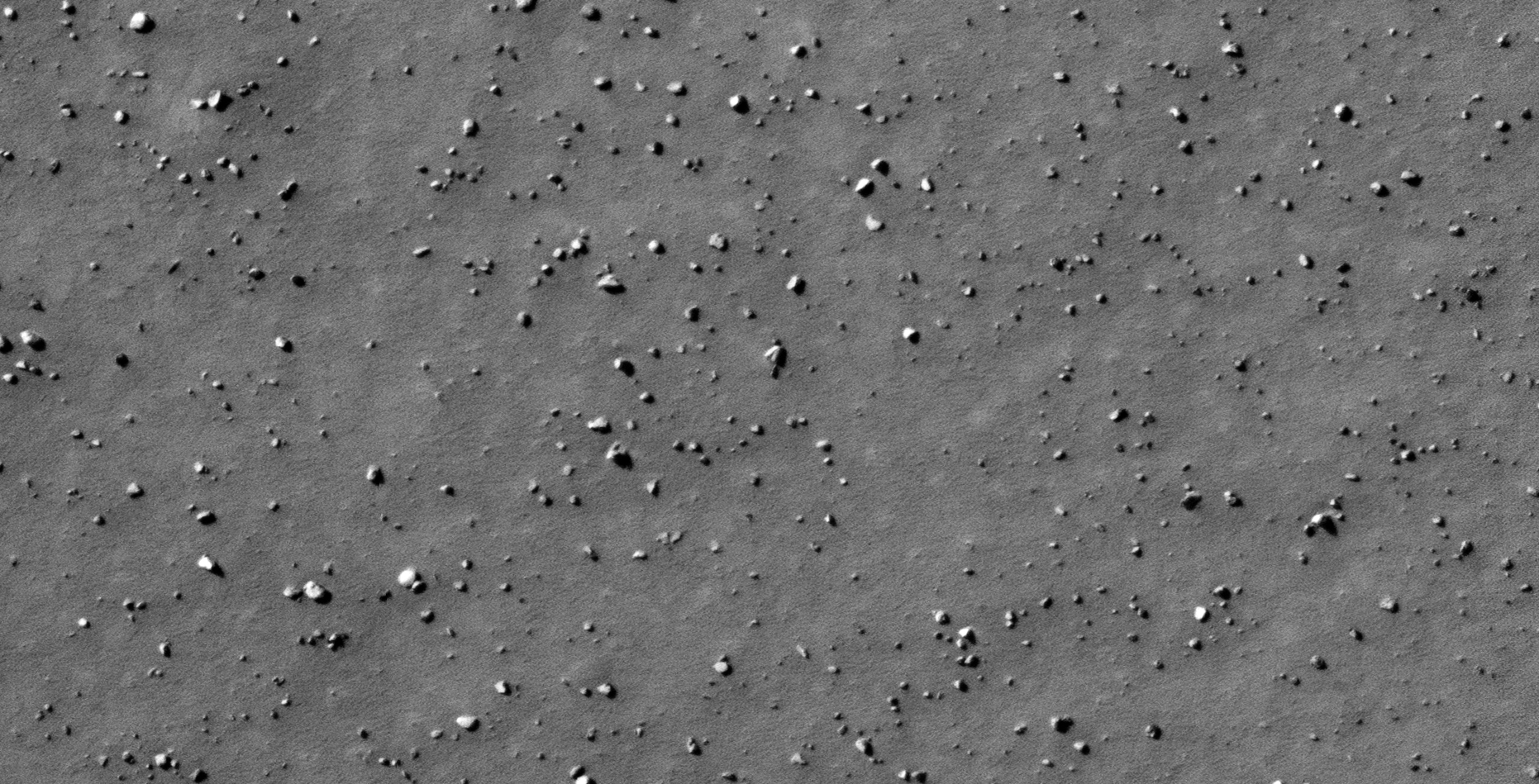
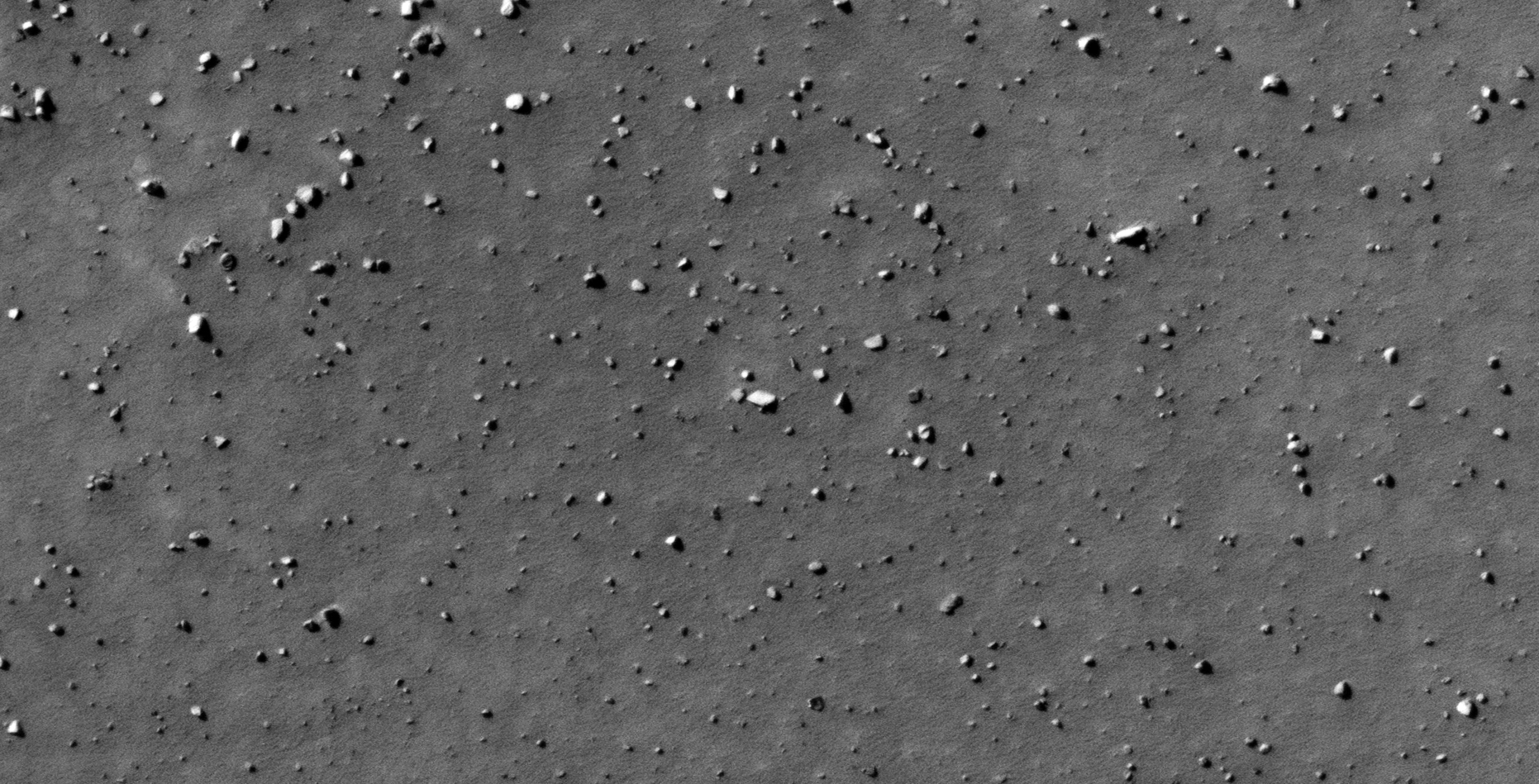
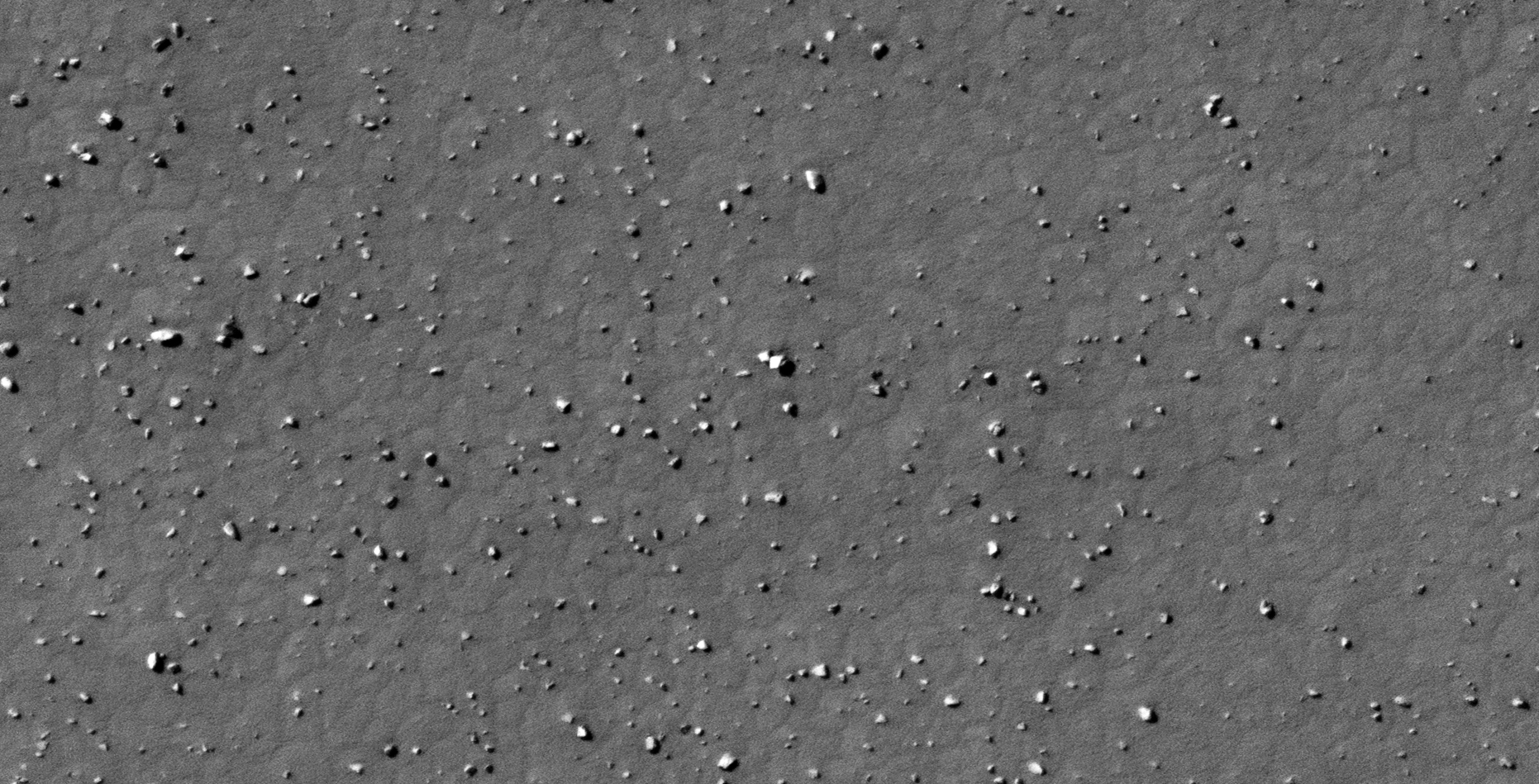
This is a collaborative work between Saturn Ark and RaptorZone in which more anomalies and artefacts are presented.
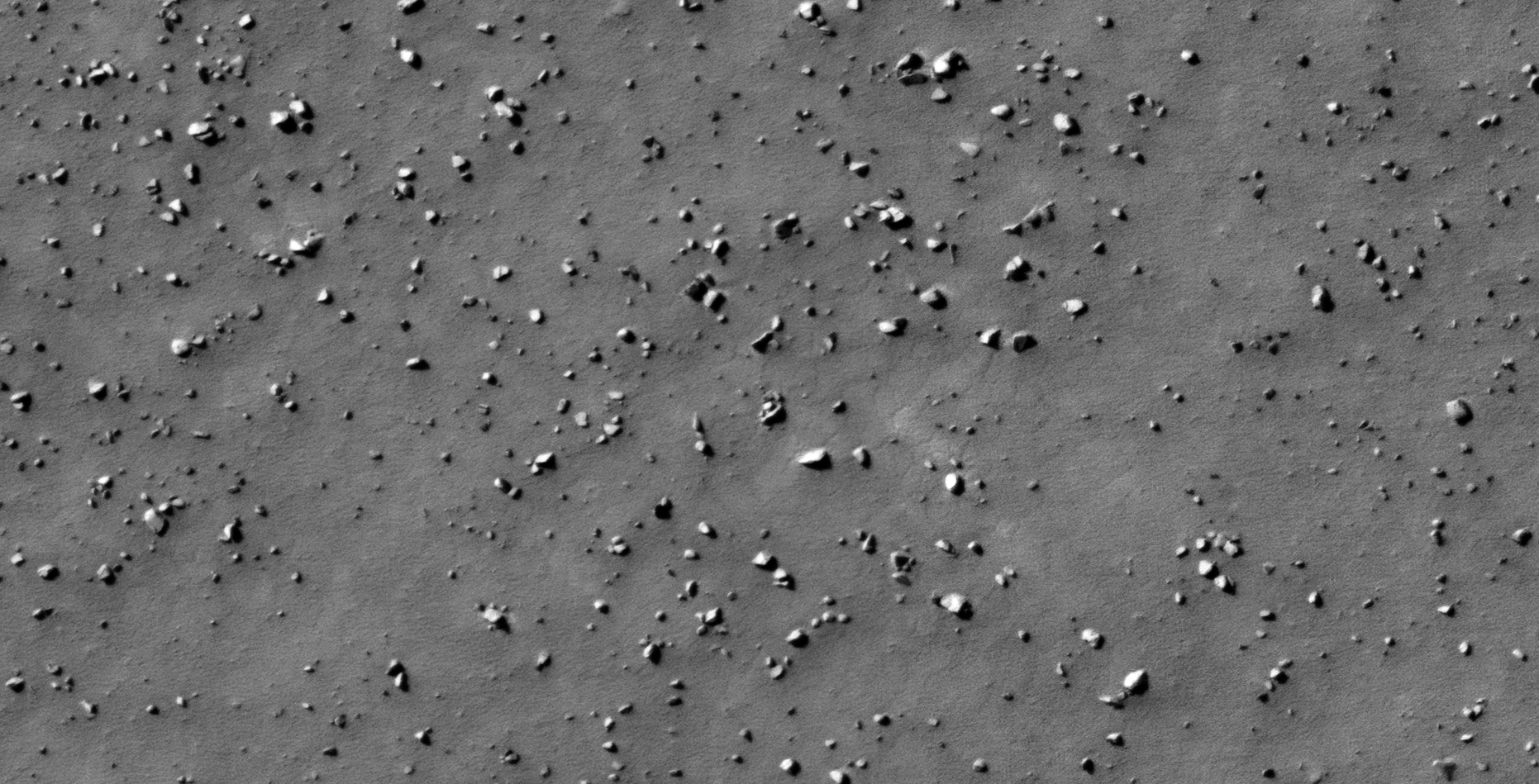
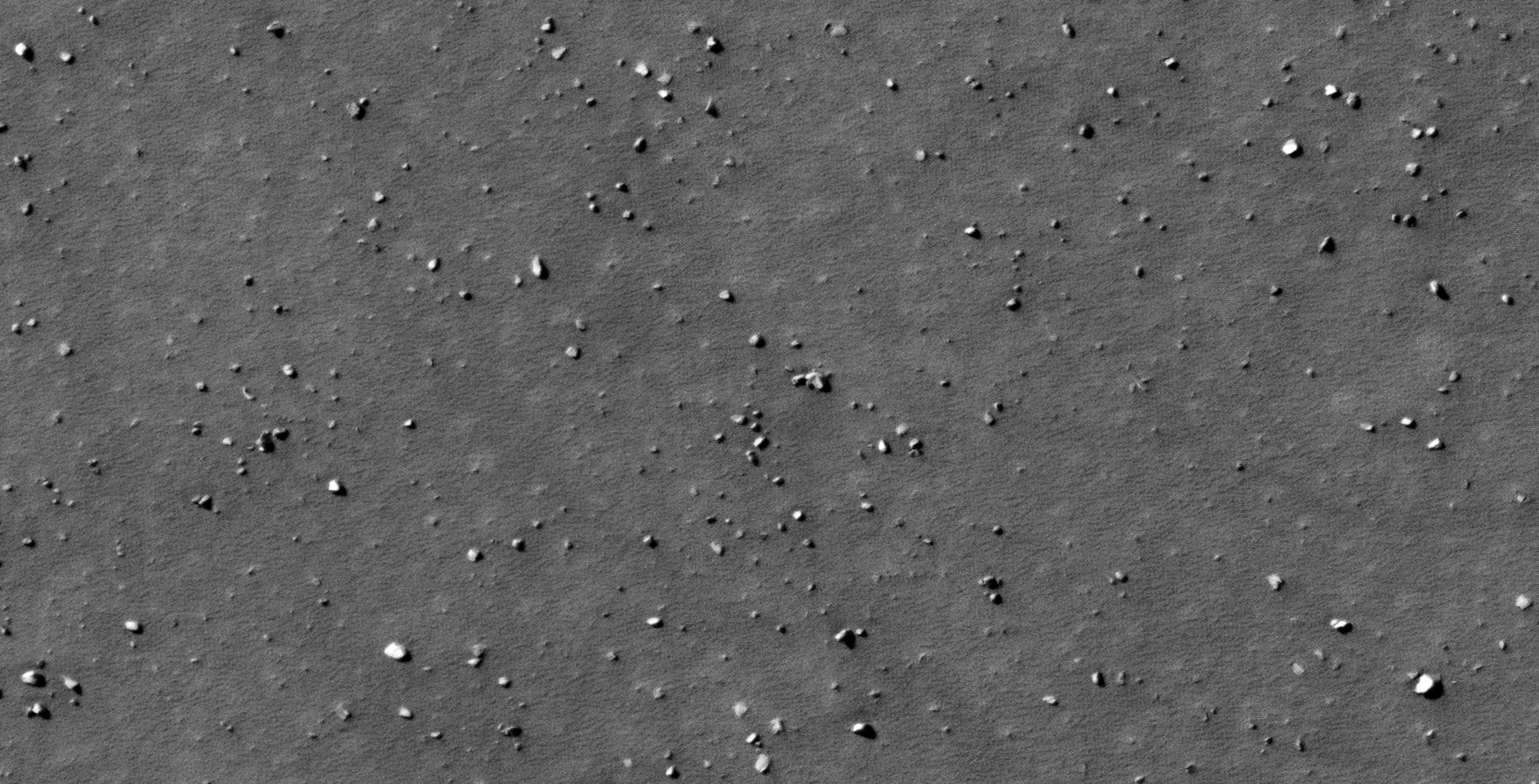
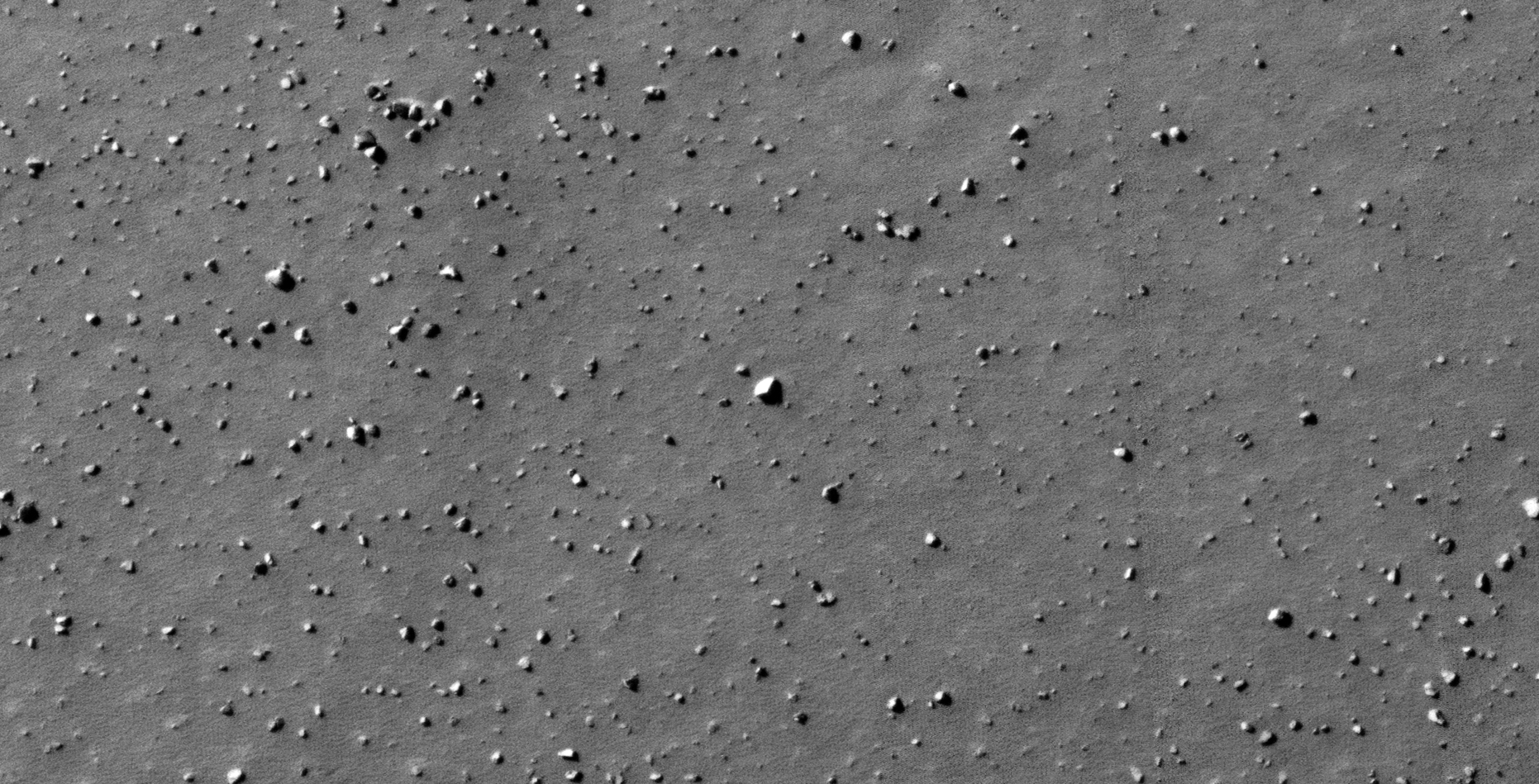
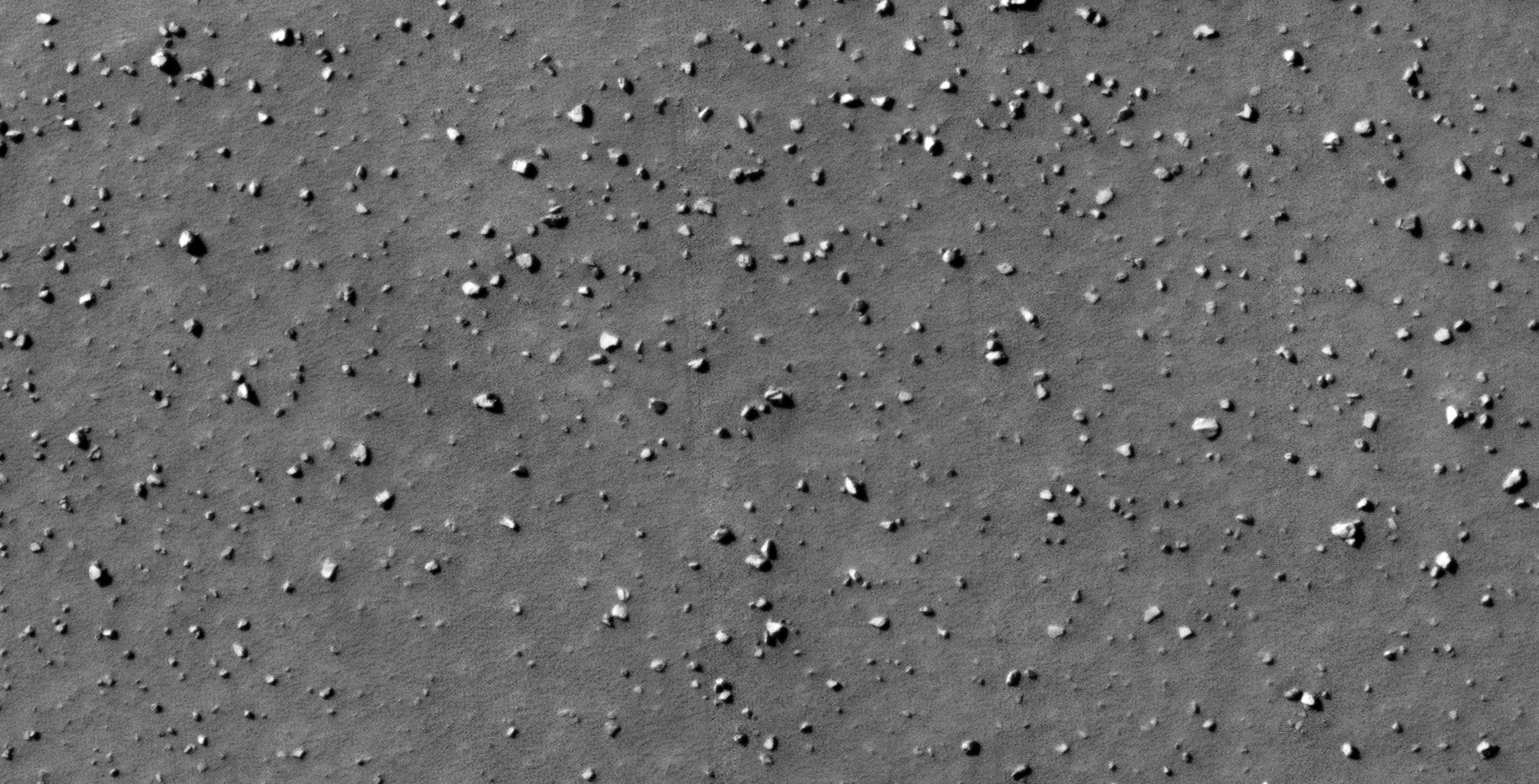
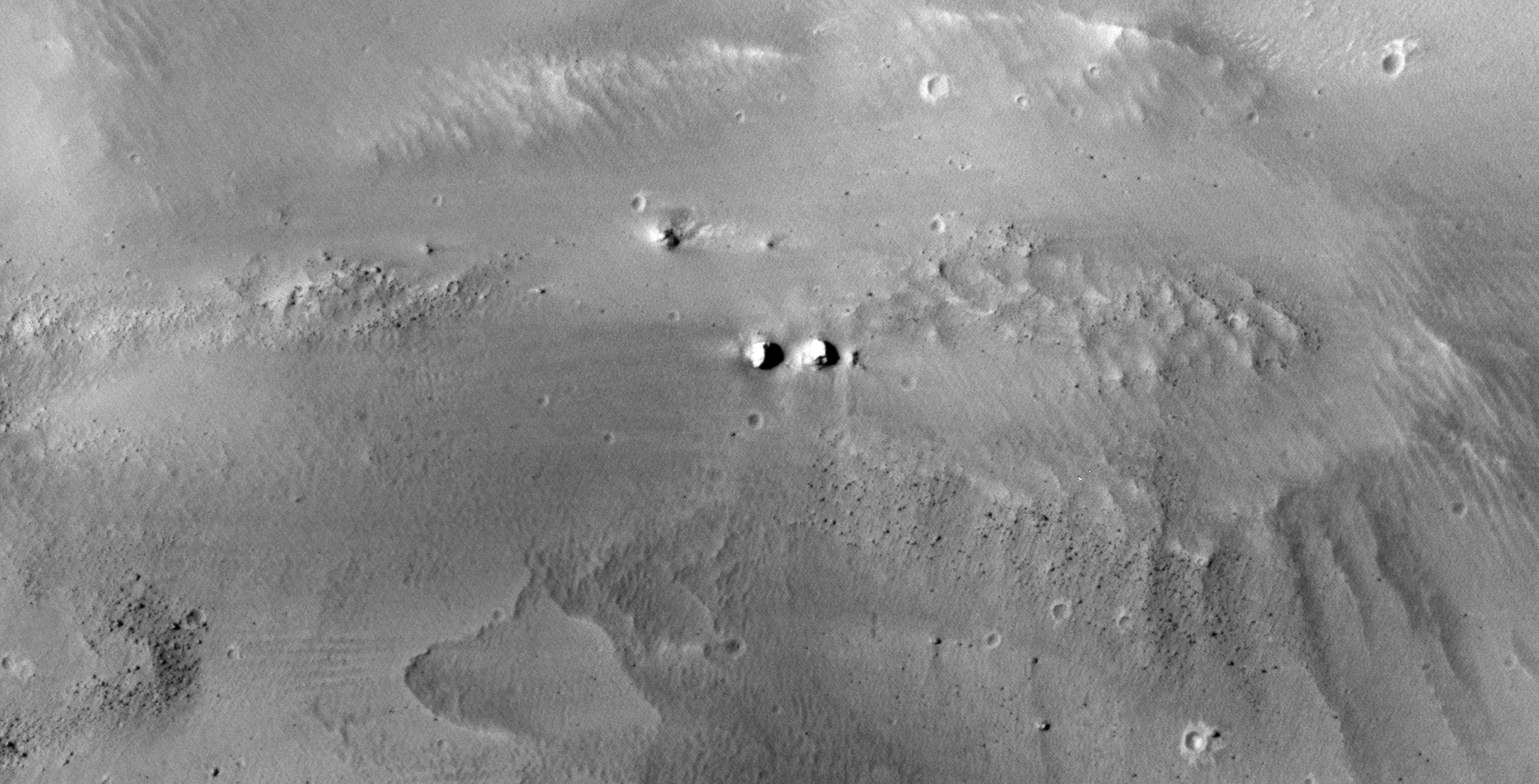
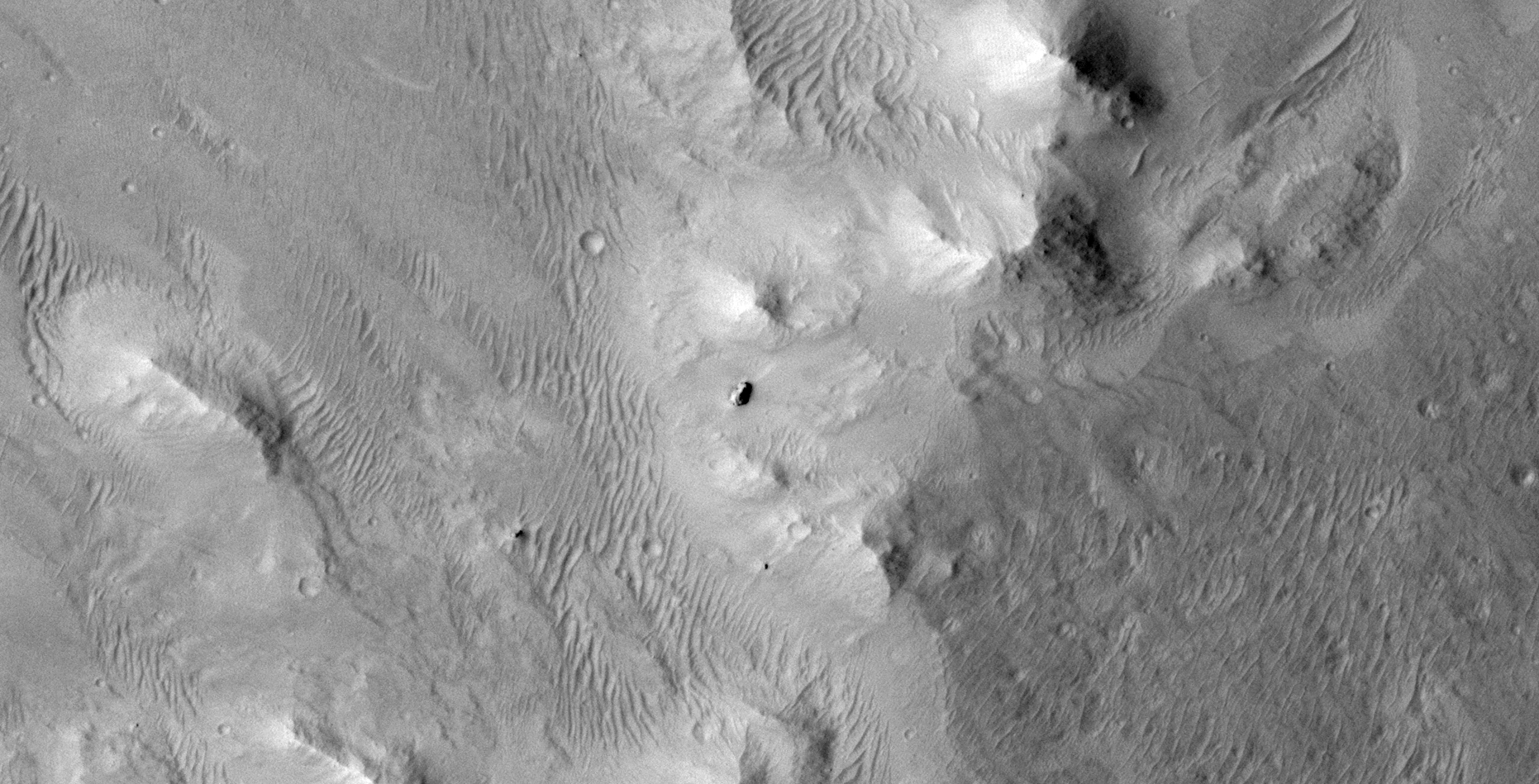
This photograph (ESP_032158_1185) was taken by NASA’s Mars Reconnaissance Orbiter (MRO) HiRISE Camera on 06 June 2013.
NASA describes this photograph as “USGS Dune Database 1699-613 Changes.”
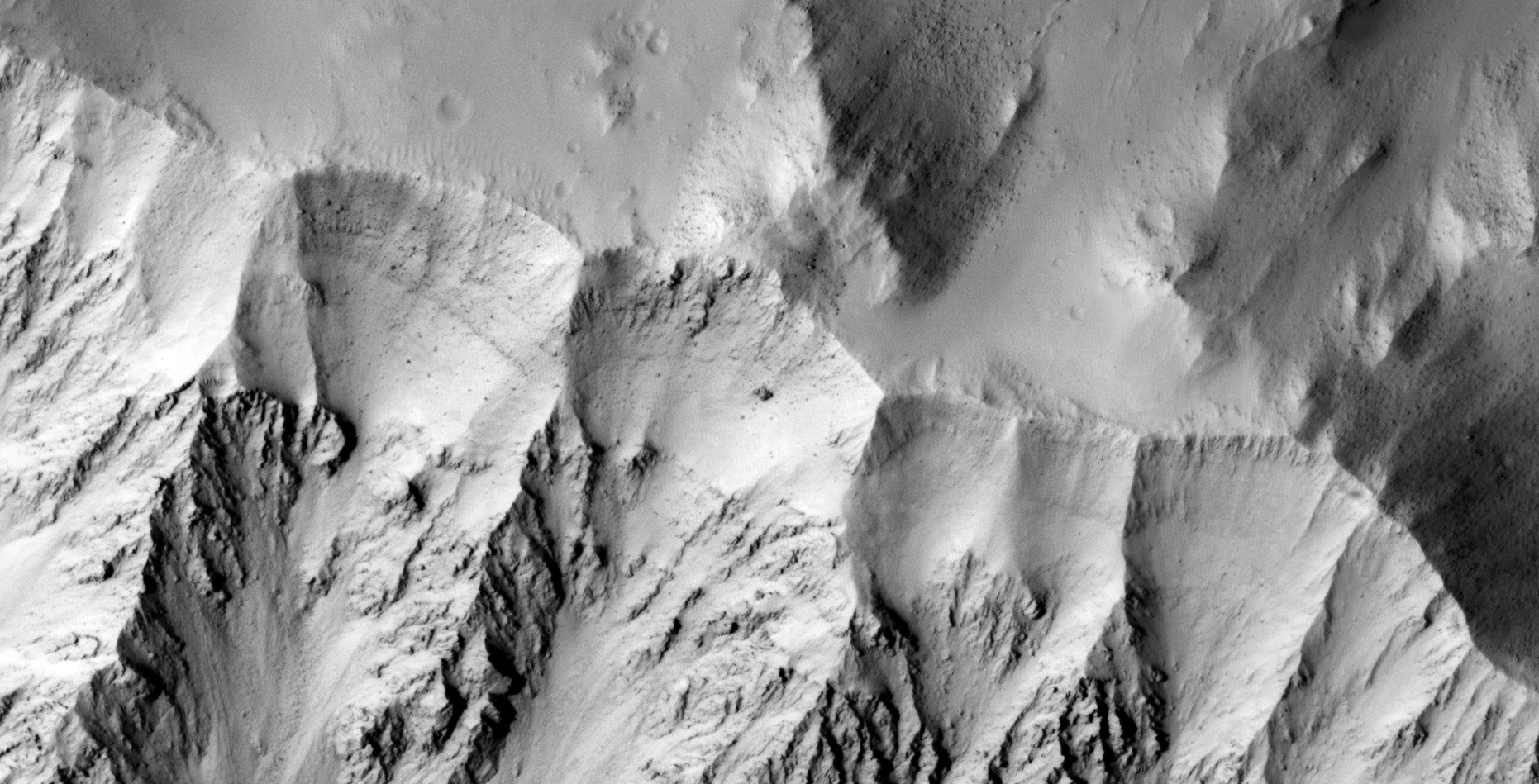
Discovered are what looks like a huge debris field of machine, vehicle, craft and structure pieces and parts (average size of these anomalies is between 3 m and 10 m across).
— (click for larger image)— (click for larger image)— (click for larger image)— (click for larger image)— (click for larger image)— (click for larger image)— (click for larger image)— (click for larger image)— (click for larger image)— (click for larger image)— (click for larger image)— (click for larger image)— (click for larger image)— (click for larger image)— (click for larger image)— (click for larger image)— (click for larger image)— (click for larger image)— (click for larger image)— (click for larger image)— (click for larger image)— (click for larger image)— (click for larger image)— (click for larger image)— (click for larger image)— (click for larger image)— (click for larger image)— (click for larger image)— (click for larger image)— (click for larger image)— (click for larger image)— (click for larger image)— (click for larger image)— (click for larger image)— (click for larger image)— (click for larger image)— (click for larger image)— (click for larger image)— (click for larger image)— (click for larger image)— (click for larger image)— (click for larger image)— (click for larger image)— (click for larger image)— (click for larger image)
Pure speculation as always, these anomalies look like something unnatural and are not specifically something unnatural.
I downloaded the HiRise black and white map-projected image to view these anomalies.
This is a 100th Video Special Edition in which I revisit some of my previous video’s, taking a look at the weirdest, strangest and most important Martian anomalies I discovered.
Disclaimer:
Many or all of the anomalies covered in this presentation may be naturally occurring geological features caused by some type of geological processes, however due to the lack of specific information from the source we can only speculate whether these are all natural or some artificial in nature.
In cases where I say an anomaly looks like something I’m attempting to clarify what I see and not specifically that the anomaly is what I say it looks like.
My intention is only to share anomalies I’ve discovered on Mars and not to convince anyone that there is or was a civilization on Mars.
As Will Farrar from WhatsUpInTheSky says: “I see what I see, you see what you see.”
Special thank you to: NASA, JPL, University of Arizona and to my friend Saturn Ark for those parts of the video featuring our combined collaboration.
Subscribe to my YouTube channel and turn on notifications to be notified when new videos are uploaded.
This is a collaborative work between Saturn Ark and RaptorZone in which more Martian anomalies and artefats in Kotka Crater are presented.
This photograph (PSP_007592_1995) was taken by NASA’s Mars Reconnaissance Orbiter (MRO) HiRISE Camera on 10 March 2008.
NASA describes this photograph as “Central Peak of Large 40-Kilometer Diameter Crater.”
Discovered are what look like structures, underground entrance-ways, shelters and destroyed technology/machinery.
Pure speculation as always, these anomalies look like something unnatural and are not specifically something unnatural.
— (click for larger image)— (click for larger image)— (click for larger image)— (click for larger image)— (click for larger image)— (click for larger image)— (click for larger image)— (click for larger image)— (click for larger image)— (click for larger image)— (click for larger image)— (click for larger image)— (click for larger image)— (click for larger image)— (click for larger image)— (click for larger image)— (click for larger image)— (click for larger image)— (click for larger image)— (click for larger image)— (click for larger image)— (click for larger image)— (click for larger image)— (click for larger image)— (click for larger image)— (click for larger image)— (click for larger image)— (click for larger image)— (click for larger image)
I downloaded the HiRise B&W Map-Projected JP2 file’s to view these anomalies.
This is a collaborative work between Saturn Ark and RaptorZone in which more anomalies and artefacts are presented.
This photograph (PSP_009807_1995) was taken by NASA’s Mars Reconnaissance Orbiter (MRO) HiRISE Camera on 29 August 2008.
NASA describes this photograph as “Western Portion of Well-Preserved Crater Near Tartarus Region.”
Discovered is what looks like huge ancient, eroded and damaged Monolithic/Megalithic blocks in Kotka Crater and an extensive debris field and perhaps mining operation.
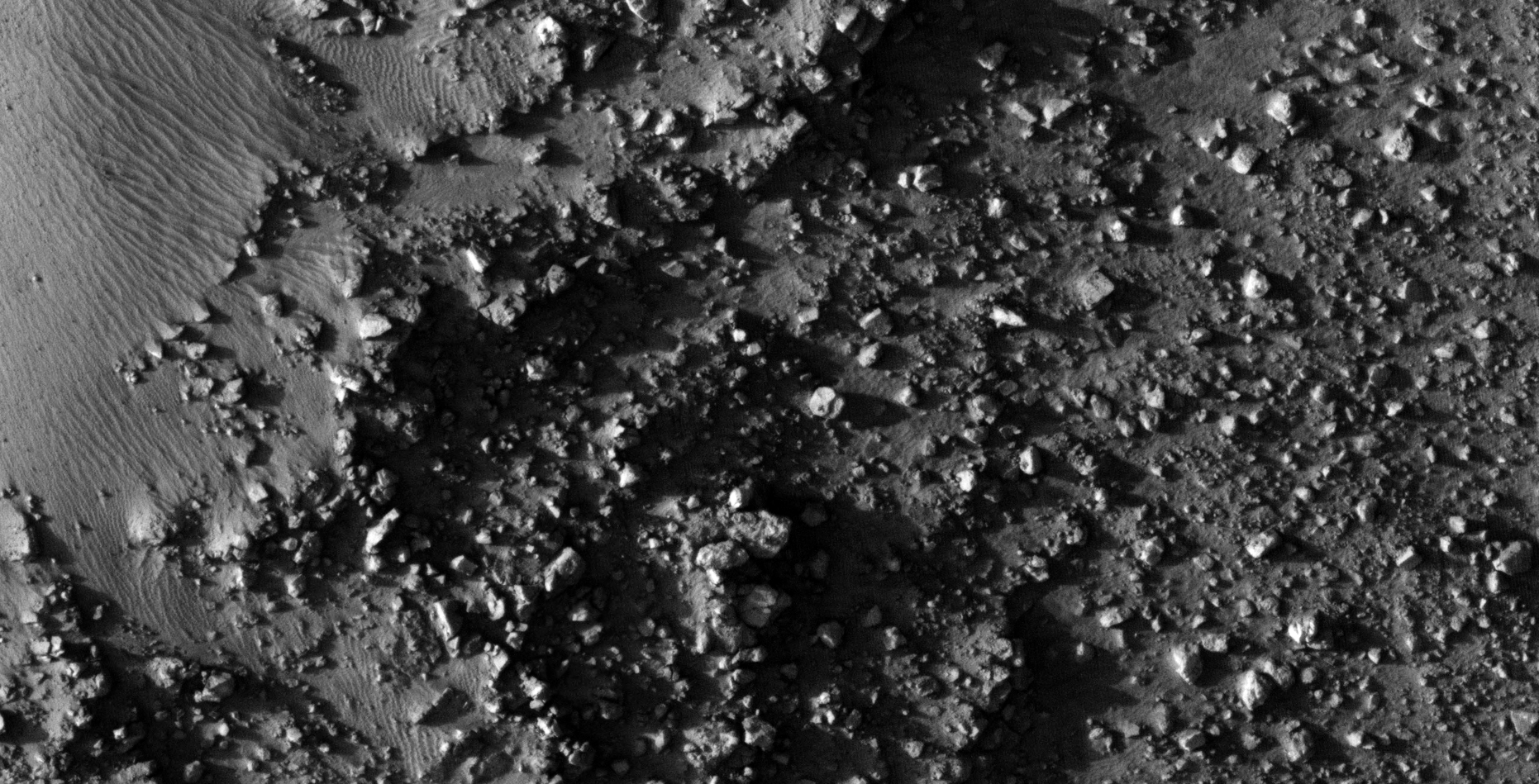
Some kind of structure with a long narrow rectangular opening or slot (click for larger image)Wreckage or a structure of some kind, looks almost metallic? Check out the right-hand edge of the largest piece, it also seems to be a small hole towards the bottom left (click for larger image)Strange sphere that appears to be ‘floating’ above a narrow rectangular ‘tower’ on top what may either be a structure with underground entrance-ways or a some kind of base with landing gear. Could this be an outpost? (click for larger image)Might this be a triangular-shaped craft with rounded corners and an oblong dome on top near the point? (click for larger image)A half-buried rectangular object with rounded edge above the surface (click for larger image)A strange triangular-shaped object with rounded corners and a larger dome-like feature on top (click for larger image)A disc-shaped object half-buried in the side of a small hill (click for larger image)A square-shaped object sticking out of the surface (click for larger image)A shied-shaped object with two smaller domes on top spaced equally apart (click for larger image)A long narrow rectangular piece that appears to have a rounded corner towards the bottom, perhaps a bent metal plate of some kind? (click for larger image)A metallic-looking object embedded in the surface with a small circular feature and short pipe on top, perhaps a shelter or underground entrance-way? (click for larger image)Two rectangular objects stacked on top of each other with a long narrow piece on top (click for larger image)Two half-buried objects, the one to the left looks like a wing and the other on the right is a rectangular object with an opening or slot in the bottom side (click for larger image)The surface area here looks as if it may have been ‘worked’ or mined, check out the long narrow area that extends to the bottom. Also to the bottom left is a triangular area that seems to have been hollowed out in the side of the rock face and in the middle-bottom a square (click for larger image)A shelter or underground entrance-way, check out the long narrow object lying in the entrance-way (click for larger image)To the left what looks like a megalithic rectangular block with a long narrow hole or slot cut into the one corner (click for larger image)Megalithic-type block with flat sides and straight edges, check out the long narrow line running over the top (click for larger image)Triangular megalithic-looking block with a small triangular feature on the one side and a square area cut into the top right (click for larger image)A bright, triangular object sticking out of the side of a small mound, parts of a machine seems to be strewn about (click for larger image)This rectangular object looks like part of a wing, check out the aerofoil shape (click for larger image)Destroyed machine parts? Check out the semi-circular piece to the right (click for larger image)
Pure speculation as always, these anomalies look like something unnatural and are not specifically something unnatural.
I downloaded the HiRise B&W Map-Projected JP2 file’s to view these anomalies.
This photograph (PSP_003880_1325) was taken by NASA’s Mars Reconnaissance Orbiter (MRO) HiRISE Camera on 25 May 2007.
NASA describes this photograph as “33 Gullies Previously Identified and Fully Described in MOC Image M18-01931.”
Discovered are what look like walls or structures in Asimov Crater. The sides of the building blocks appear to be covered in smooth, white, reflective material like plaster or cement.
There are several huge megalithic blocks scattered about in the gullies.
Top Wall – Left Section (click for larger image)Top Wall – Middle Section (click for larger image)Top Wall – Right Section (click for larger image)Top Wall – Zoomed in (click for larger image)Top Wall – Zoomed in (click for larger image)Top Wall – Zoomed in (click for larger image)Top Wall – Zoomed in (click for larger image)Top Wall – Zoomed in (click for larger image)Bottom Wall (click for larger image)Bottom Wall – Left Section Zoomed In (click for larger image)Bottom Wall – Middle Section Zoomed In (click for larger image)Bottom Wall – Right Section Zoomed In (click for larger image)Rectangular Megalith with three flat straight sides 20 metres tall and 8 metres wide, a smaller rectangular part to the middle right (click for larger image)Rectangular megalith with flat straight sides 10 metres by 8 metres, a small square has been cut into the bottom right corner (click for larger image)Rectangular megalith with flat straight sides 8 metres by 8 metres (click for larger image)Rectangular megalith with flat straight sides 8 metres by 8 metres with circular disc-like features on top (click for larger image)Rectangular megalith with flat straight sides 8 metres by 8 metres with narrow step cut along the top right side (click for larger image)Rectangular megalith with flat straight sides 3 metres by 5 metres with a long narrow feature on top running past the edge, possibly a pipe? (click for larger image)Rectangular megalith with two flat straight sides 18 metres by 12 metres, a hole seems to be cut into one corner, the right part seems to be covered in a white, reflective material (click for larger image)Eroded rectangular megalith or bent metal plat 4 metres by 5 metres with a ‘U’-shaped feature on top (click for larger image)Rectangular megalith or metal plate with straight sides 5 metres by 7 metres with small triangular features on top (click for larger image)Eroded rectangular megalith or smashed destroyed machinery 10 metres by 12 metres with a large hole on the one side (click for larger image)
I downloaded the HiRise B&W Map-Projected JP2 file’s to view these anomalies.
This is a collaborative work between Saturn Ark and RaptorZone in which further evidence supporting the speculation of a Kunowsky-Asimov Ley Line which connects ancient ruins is presented.
This photograph (PSP_007447_1995) was taken by NASA’s Mars Reconnaissance Orbiter (MRO) HiRISE Camera on 27 February 2008.
NASA describes this photograph as “Well-Preserved 40-Kilometer Diameter Unnamed Crater Near Tartarus Region.”
Discovered is what looks like huge ancient, eroded and damaged Monolithic/Megalithic blocks in Kotka Crater and an extensive debris field and perhaps mining operation.
The Monolithic/Megalithic blocks in Kotka Crater look similar to the one in Asimov Crater, i.e. the textures and shade of colour appear similar. It is rather difficult to obtain any measurements from these blocks as they are partially buried in sand. The one side that is visible measures between approximately 23 and 30 metres across (the angle makes it difficult to be certain and a piece may have broken off).
Huge Eroded Monolith-type Blocks in Kotka Crater – one side that is visible measures between approximately 23 and 30 metres across (click for larger image)Huge Eroded Monolith in Asimov Crater – Approximately 33 metres wide and approximately 75 metres tall (click for larger image)
Pure speculation as always, these anomalies look like something unnatural and are not specifically something unnatural.
Kotka Crater and the Kunowsky-Asimov Ley Line:
Kotka Crater is on the Kunowsky-Asimov Ley Line.
The Kunowsky-Asimov Ley Line was originally discovered by Saturn Ark and many anomalies are being discovered along this line. Kotka Crater is no different.
Kotka Crater on the Kunowsky-Asimov Ley Line (click for larger image)Kotka Crater on the Kunowsky-Asimov Ley Line (click for larger image)
Similarities between Kotka Crater and Asimov Crater:
There are a number of crater floor similarities between the two craters:
Huge Megalithic-type blocks
Vast area’s of dried mud
Signs of vast sunken area’s
Signs of liquid, possibly water flows
Similarities between Kotka Crater and Asimov Crater (click for larger image)
Other Anomalies and Artefacts found in Kotka Crater:
Smashed part of a structure with straight edges, one corner is at and angle with a part visible lower to the surface (click for larger image)A strange looking craft perhaps, there are what look like two spheres on either side of a cylinder which has a dome on top (click for larger image)An underground entrance-way or perhaps a metal plates (click for larger image)Underground entrance-way or metal plate, a small rectangular object with several slots is located towards the right (click for larger image)Underground entrance-way, smashed metal plate or debris from a crashed craft, there seems to be an impact trench towards the left of the object (click for larger image)Geometrically-shaped blocks, possibly parts of a structure, a weird object with multiple slots to the bottom right (click for larger image)A metallic-looking plate with a small dome on top (click for larger image)Underground entrance-way or mine, several circular-shaped object scattered about the entrance (click for larger image)Underground entrance-ways, mine entrances, partially buried structure? (click for larger image)A machine, craft or part of a structure? (click for larger image)Partially buried, disc-shaped object with triangular piece on top (click for larger image)Partially buried machine parts? (click for larger image)Partially buried, smashed metallic-looking parts or entrance-way (click for larger image)Parts of a destroyed machine, the triangular piece to the bottom middle with small dome inside is striking (click for larger image)Pieces of a destroyed machine or parts of a destroyed structure? (click for larger image)Partially buried machine, craft or underground-entrance way? There is a smaller pyramid-shaped object to the left and a smaller rectangular object with two slots to the right (click for larger image)Open pit mine, the surface appears to have scrape, machined marks (click for larger image)Parts of a destroyed machine, a conical-shaped part to the left, rectangular part with smaller domes in rows on top and a small triangular part at the bottom right (click for larger image)Ripped apart metallic looking plates, underground entrance-way, mine with smaller object at the entrance-way (click for larger image)Underground entrance-way or mine opening with a doorway/arch construction (click for larger image)Destroyed machine, structure or opening, there are what look like pipes bent at right-angles on top of the object to the top right (click for larger image)Two rectangular objects, the object to the left has a row of uniformly spaced circular features on top and the larger object to the right has what looks like symbols and small domes on top (click for larger image)Smashed machine part or part of a craft consisting of a smooth rectangular metallic looking base and a pyramidal part possibly covered in sand (click for larger image)Mining operation? The surface to the right looks worked, the two sides to the left look almost line two sides of a pyramid, could this be a small ancient eroded pyramid structure? (click for larger image)Partially buried parts of a destroyed machine, a bend metallic-plate with what looks like pipes to the left, a rectangular part with pipes in the middle and a disc-like object to the right (click for larger image)Partially buried smashed machine-like object with smaller features or parts on top (click for larger image)Part of a structure or machine consisting of two joined rectangular part? (click for larger image)Rippled metal-like plates, the top piece seems to have small parts or features on the top (click for larger image)Smashed, ripped metallic-looking plates partially buried, a smaller machine-looking part with circular features and smaller dome on top is located to the bottom right (click for larger image)Destroyed metallic-looking plates, shelter or underground entrance-way? smaller parts, like pipes are lying at the entrance (click for larger image)Machine parts and bent pipes? (click for larger image)Shelter, underground entrance-way ot destroyed machinery? (click for larger image)Smashed craft or machinery with smaller circular features or parts and a small dome-shape towards the top right (click for larger image)Destroyed structure and/or machinery? (click for larger image)Bent metallic-looking part with a very straight narrow part or pipe to the left, small circular object to the middle bottom (click for larger image)Bent metallic-looking part covered in circular doughnut-looking, symbols and/or features with a very straight narrow part or pipe to the middle bottom (click for larger image)Shelter, mine, underground entrance-way? Metallic-plates and machine parts strewn about? (click for larger image)Smashed machine part with metallic-plate and smaller parts towards the middle bottom? (click for larger image)Disc-like object partially buried in sand (click for larger image)Mine with machine parts and pipes strewn about? (click for larger image)Rounded metallic-looking rectangular object (click for larger image)Partially buried disc-like object (click for larger image)Bent, partially buried metallic-type plate (click for larger image)Mine or underground entrance-way? The surface looks machined (click for larger image)
I downloaded the HiRise B&W Map-Projected JP2 file’s to view these anomalies.
Saturn Ark may have discovered what might be a witty Ode to both Arthur C. Clarke and Isaac Asimov in Asimov Crater.
This is a collaborative work between Saturn Ark and RaptorZone in which evidence supporting this speculation is presented.
This photograph (ESP_012411_1320) was taken by NASA’s Mars Reconnaissance Orbiter (MRO) HiRISE Camera on 20 March 2009.
NASA describes this photograph as “Cascading Channel in Noachis Pit Crater in MOC M12-00595.”
Discovered is what looks like a huge ancient, eroded and damaged Monolith-type object in Asimov Crater and an extensive debris field.
Could the naming of Asimov Crater be a witty Ode to both Arthur C. Clarke and Isaac Asimov?
It is well known that there was a witty rivalry between Arthur C. Clarke and Isaac Asimov, both undisputed masters of science fiction in the 20th century.
Arthur C. Clarke and Isaac Asimov
“Clarke chose to ratify the treaty in the dedication to his essay collection Report on Planet Three and Other Speculations, a wry encapsulation of his witty war with his fellow titan of the genre: In accordance with the terms of the Clarke-Asimov treaty, the second-best science writer dedicates this book to the second-best science-fiction writer.” Barnes & Noble
“Asimov Crater is an impact crater in the Noachis quadrangle of Mars, located at 47.0° S and 355.05° W. It is 84.0 km in diameter and was named after Isaac Asimov (1920–1992), an American biochemist and writer. The name was officially adopted on May 4, 2009.” Wikipedia
On 20 March 2009 NASA’s HiRISE photographed a Monolith-type object which Clarke wrote about in his 2001: A Space Odyssey and the craters name, Asimov Crater, was officially adopted on 04 May 2009, almost two months later.
Huge Eroded Monolith in Asimov Crater – Approximately 33 metres wide and approximately 75 metres tall (click for larger image)
All Clarke’s monoliths are rectangular with dimensions in the ratio of 1 : 4 : 9 (the squares of the first three positive integers, i.e. 1² : 2² : 3²). The Monolith-type object on Mars measure approximately 33 metres by 75 metres, which yields an aspect ratio of 2.27 whereas the aspect ration of Clarke’s Monoliths are 2.25 (9 divided by 4). The exact measurements are difficult to obtain as the Monolith is damaged and somewhat buried.
Could it be that NASA named this Asimov Crater to poke fun at Clarke and Asimov? The two authors would probably see the humor in it. Furthermore, could Clarke have had insider information about the Monolith-type object on Mars before we wrote 2001: A Space Odyssey?
Pure speculation as always, these anomalies look like something unnatural and are not specifically something unnatural.
Other Anomalies and Artefacts found in Asimov Crater:
Pieces of sculptures, statues or structures:
Three geometric pieces of a sculpture, structure or statue and features or perhaps symbols with straight lines, right angles, semi-circles, flat sides (click for larger image)Piece from a sculpture or statue, to the left a flat, square shape and to the right a sculpted shape with semi-circles, straight lines, right angles and perhaps symbols. Looks almost like a square table top and sculptured base (click for larger image)Piece from a sculpture or statue or even machinery with a row of smaller, block-like features spaced uniformly apart (click for larger image)Piece from a sculpture or statue or even machinery seemingly covered in symbols or smaller parts, perhaps even small pipes (click for larger image)Triangular-shaped object, it looks like the one corner has been bent over (click for larger image)Rectangular object with a square opening (click for larger image)Various pieces of a destroyed structure, the piece to to left has two smaller features in the middle of the one side and the piece to the bottom right has small circular features on it (click for larger image)Rectangular-shaped slabs possibly from a destroyed structure, the bottom slab seems to have a circular symbol in the center (click for larger image)Rectangular-shaped block with small symbols or features on the one side (click for larger image)Triangular-shaped object with two flange-type features on either side (click for larger image)Rectangular object with a triangular piece with extended narrow feature on top. The bottom object has a square opening and what look like pipes coming out (click for larger image)Rectangular-shaped object with two small dome-like features spaced uniformly on top (click for larger image)Object consisting of a rectangular and triangular piece, smaller features are visible on the side (click for larger image)Hexagonal-type object with smaller, brighter triangular features on top (click for larger image)Conical-shaped object with bright, smaller symbols or features (click for larger image)Smashed object with triangular feature on the side (click for larger image)Rectangular block with small symbols, of interest is the row of small squares in the middle top part of the object (click for larger image)The object to the left has strange circular symbols or features on its surface (click for larger image)This object looks folded or rolled in some way with two triangular features on top (click for larger image)The object looks like a normal rock until you notice the smaller features to the bottom and left side (click for larger image)Part of a sculpture or statue, small circular, conical features cover the left side (click for larger image)This block has a long narrow part running diagonally across the face (click for larger image)This object may be part of a statue of sculpture, it looks like an artists impression of an out-board motor boat engine as see from the side with the motor on the top of the object (click for larger image)Rectangular megalithic-type block with right-angled feature cut into the one corner (click for larger image)Almost normal looking rocks, except for the small pipe sticking out to object at the top, there is also an object with parallel lines to the left of the bottom object (click for larger image)Eroded block with small triangular feature on top (click for larger image)Pyramidal-shaped block (click for larger image)Mangled machinery with thin pipes and a cylinder to the right, smaller parts are strewn about towards the bottom of the object (click for larger image)Part of a statue or sculpture, the two really flat, rectangular features located at the top left of the object are striking (click for larger image)
Objects with smaller features in their centers:
Object with smaller feature positioned in the center (click for larger image)Object with smaller feature positioned in the center (click for larger image)Object with smaller feature positioned in the center (click for larger image)Object with smaller feature positioned in the center (click for larger image)Object with smaller feature positioned in the center (click for larger image)Object with smaller feature positioned in the center (click for larger image)
Crashed craft:
Small circular-type craft with four symmetrical sides (click for larger image)Partially buried disc-like craft and triangular feature with what may be two windows (click for larger image)
Destroyed technology:
Curved rectangular-object with smaller parts, perhaps pipes, on the side (click for larger image)Machine with pipes sticking out to the bottom right (click for larger image)Machine with ripped open side, long rectangular piece extending outward on the bottom left (click for larger image)
I downloaded the HiRise B&W Map-Projected JP2 file’s to view these anomalies.